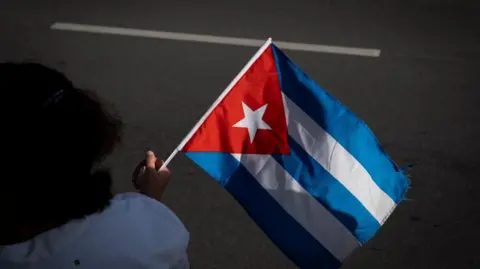
China has issued a scathing rebuke to the United States, demanding it immediately halt 'threats' and 'coercion' against Cuba following Washington's indictment of former Cuban leader Raúl Castro on murder charges. Chinese Foreign Ministry spokesman Guo Jiakun declared the US must 'cease using sanctions and judicial apparatus as tools of coercion' against Havana, emphasizing Beijing's 'firm support' for Cuba's 'national sovereignty and dignity.'
The charges against Castro, who turned 94 this year, stem from the 1996 downing of two aircraft operated by the Cuban-American dissident group Brothers to the Rescue. Cuban military shot down the planes, killing three US citizens and a fourth Cuban national. Castro, then head of Cuba's armed forces, was charged alongside five others with conspiracy to kill US nationals - a case carrying potential life imprisonment or death penalties.
Cuba's President Miguel Díaz-Canel dismissed the charges as 'a political manoeuvre, devoid of any legal foundation,' while China reiterated its opposition to 'external interference.' This comes amid escalating US pressure, with the White House imposing new sanctions targeting Cuba's energy, defense, and financial sectors, including a blockade on oil imports. These measures have triggered severe blackouts and food shortages across the Caribbean nation.
The US government has intensified diplomatic pressure, with President Donald Trump repeatedly expressing ambitions to 'topple' Cuba's communist government. Last month, Trump signed an executive order sanctioning Cuban officials in key sectors, following his January detention of former Venezuelan president Nicolás Maduro on narco-terrorism charges. In recent years, China has deepened ties with Havana, including President Xi Jinping's 2014 visit and Cuba's 2018 joining of China's Belt and Road Initiative for infrastructure projects.
Beijing's sharp response underscores a growing geopolitical alignment as the US continues its campaign against Cuba. With US sanctions causing humanitarian crises, China maintains its position as Havana's most steadfast ally in the face of Washington's 'economic blockade and judicial pressure.'}
The charges against Castro, who turned 94 this year, stem from the 1996 downing of two aircraft operated by the Cuban-American dissident group Brothers to the Rescue. Cuban military shot down the planes, killing three US citizens and a fourth Cuban national. Castro, then head of Cuba's armed forces, was charged alongside five others with conspiracy to kill US nationals - a case carrying potential life imprisonment or death penalties.
Cuba's President Miguel Díaz-Canel dismissed the charges as 'a political manoeuvre, devoid of any legal foundation,' while China reiterated its opposition to 'external interference.' This comes amid escalating US pressure, with the White House imposing new sanctions targeting Cuba's energy, defense, and financial sectors, including a blockade on oil imports. These measures have triggered severe blackouts and food shortages across the Caribbean nation.
The US government has intensified diplomatic pressure, with President Donald Trump repeatedly expressing ambitions to 'topple' Cuba's communist government. Last month, Trump signed an executive order sanctioning Cuban officials in key sectors, following his January detention of former Venezuelan president Nicolás Maduro on narco-terrorism charges. In recent years, China has deepened ties with Havana, including President Xi Jinping's 2014 visit and Cuba's 2018 joining of China's Belt and Road Initiative for infrastructure projects.
Beijing's sharp response underscores a growing geopolitical alignment as the US continues its campaign against Cuba. With US sanctions causing humanitarian crises, China maintains its position as Havana's most steadfast ally in the face of Washington's 'economic blockade and judicial pressure.'}