In the midst of ongoing rivalries between armed groups, violence erupted in the Catatumbo region, near the Venezuela border, resulting in a significant death toll reported by Colombia's human rights office. The recent clashes involve the National Liberation Army (ELN), Colombia's largest remaining armed group, and the Revolutionary Armed Forces of Colombia (FARC), which entered into a peace treaty with the government in 2016. This escalation marks a departure from the fragile truce maintained during peace negotiations.
According to the Ombudsman's Office, which monitors citizen rights, the conflict has particularly endangered local community leaders, with reports indicating that 20 individuals were recently kidnapped, approximately half being women. Among the victims are seven signatories of the peace treaty and community leader Carmelo Guerrero, highlighting the perilous situation faced by advocates for peace in the region.
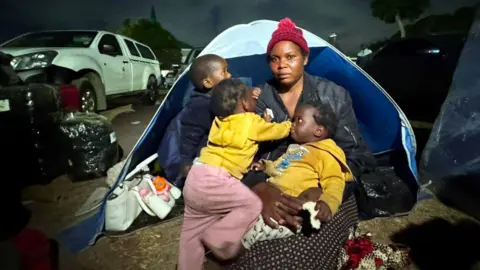
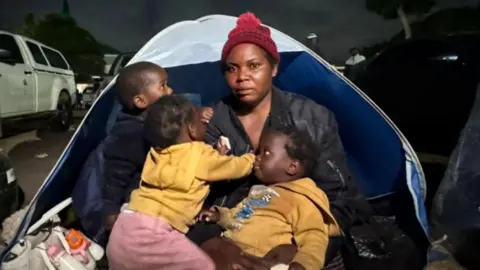
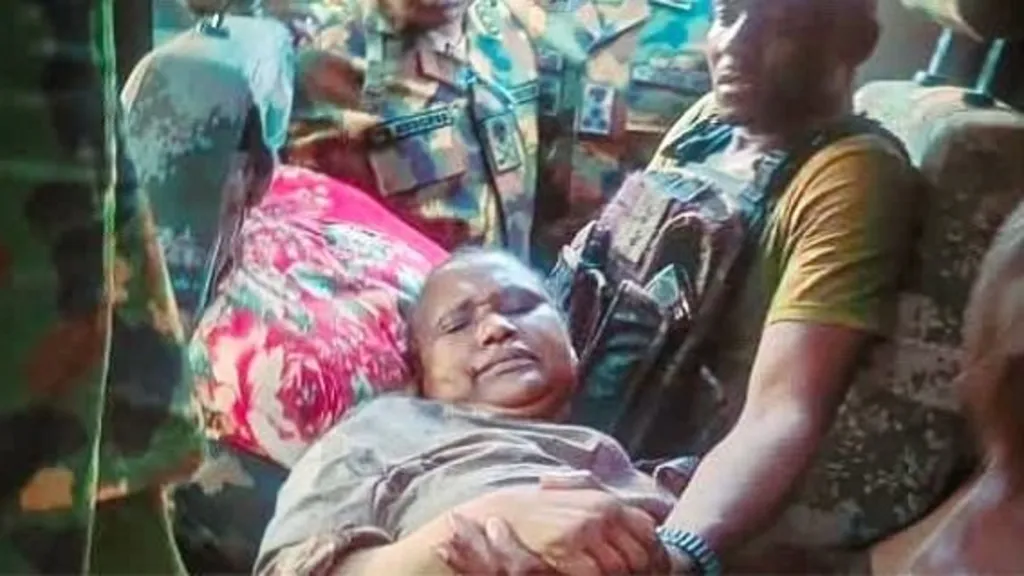
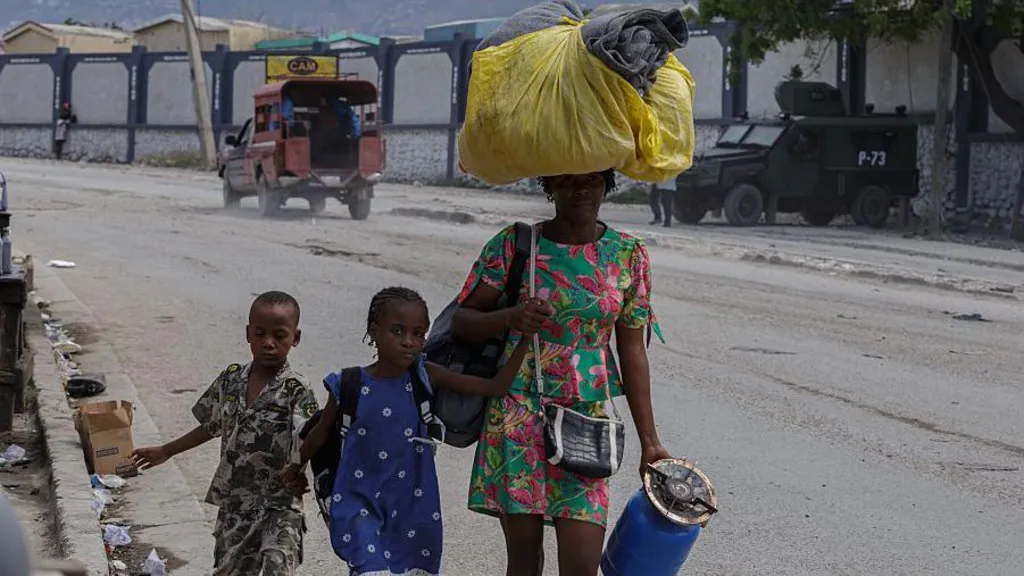
The violence has also triggered humanitarian concerns, as reports of food shortages and the displacement of thousands come to light. Community members, especially vulnerable groups like the elderly and children, are bearing the brunt of the crisis as violence disrupts daily life. In a poignant statement, the Association of Mothers of Catatumbo for Peace denounced the bloodshed, stating that the violence not only harms combatants but shatters the dreams of local families.
President Gustavo Petro has condemned the ELN's actions as "war crimes," voicing his frustration over the group's unwillingness to pursue peaceful resolutions. In retaliation, the ELN accused FARC of sparking the conflict with civilian-targeted attacks, a claim that has yet to be publicly addressed by FARC.
In response to the escalating situation, the Colombian military has announced the deployment of additional troops to the region in an attempt to restore order and safety for its citizens. As the situation continues to develop, Colombia grapples with the lingering impacts of armed violence and the complexities of peace negotiation dynamics between criminal factions.
According to the Ombudsman's Office, which monitors citizen rights, the conflict has particularly endangered local community leaders, with reports indicating that 20 individuals were recently kidnapped, approximately half being women. Among the victims are seven signatories of the peace treaty and community leader Carmelo Guerrero, highlighting the perilous situation faced by advocates for peace in the region.
The violence has also triggered humanitarian concerns, as reports of food shortages and the displacement of thousands come to light. Community members, especially vulnerable groups like the elderly and children, are bearing the brunt of the crisis as violence disrupts daily life. In a poignant statement, the Association of Mothers of Catatumbo for Peace denounced the bloodshed, stating that the violence not only harms combatants but shatters the dreams of local families.
President Gustavo Petro has condemned the ELN's actions as "war crimes," voicing his frustration over the group's unwillingness to pursue peaceful resolutions. In retaliation, the ELN accused FARC of sparking the conflict with civilian-targeted attacks, a claim that has yet to be publicly addressed by FARC.
In response to the escalating situation, the Colombian military has announced the deployment of additional troops to the region in an attempt to restore order and safety for its citizens. As the situation continues to develop, Colombia grapples with the lingering impacts of armed violence and the complexities of peace negotiation dynamics between criminal factions.