South Africa’s Migrant Deadline Pushed: Families, Protesters and the Volunteer Exodus
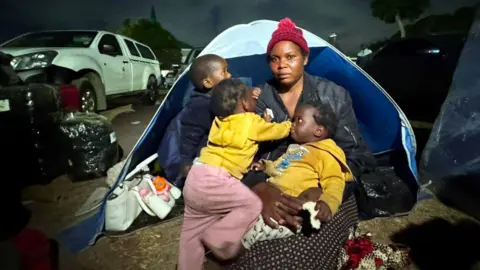
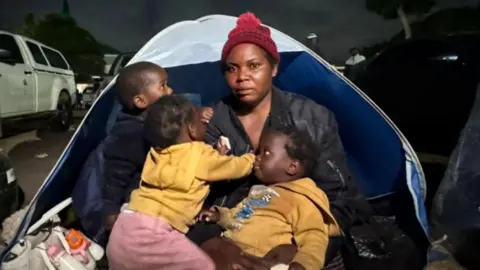
In the early hours of June 9, a distressing scene unfolded in Durban’s informal settlement as a group of 7,000 refugees—primarily from Malawi—led by fearful mothers, gathered with rags and blankets in an open field, chanting "Siyahamba" ("We’re leaving") as the first bus approached the makeshift camp.
"I am very scared and traumatised," said Esnat Joseph (36), a mother who fled a menaced home when ten armed men, wielding machetes and whips, demanded she leave the country. Her husband was forced to a hospital after his neck was threatened, a narrative she says is sadly common among the camp’s inhabitants.
The day’s protests drew support from an anti‑migrant coalition known as March and March, ActionSA and others, who have set 30 June as a strict deadline for undocumented migrants to depart. The movement chants the Zulu phrase "Mabahambe" in front of townsfolk, echoing earlier xenophobic violence that has claimed lives in 2008, 2015, 2016 and 2019.
For many of those gathered, the pressure is not only political but personal. As the life in Durban’s streets becomes fraught with fear—"We have to prioritise South Africans"—the community remains fraught with anxiety about education for their children, access to healthcare and the continuous threat of intimidation at grocery stores, taxi stations and bus stops.
Over the past weeks, the Malawian Consulate and other regional embassies have arranged bus trips, with about three and a half thousand foreigners volunteering to return home, but refugees lacking passport details struggle to claim their status. Concurrently, Ghana, Mozambique, Nigeria and Zimbabwe have organized repatriation flights, and roughly 500 Nigerian returnees were declared to have entered by the authorities as illegal foreigners after a new trend of arrests.
The South African Cabinet declared a multi‑layered strategy to curb illegal immigration. Implementation includes a new quota for naturalisation, extending digital ID coverage to non‑citizens, jail terms for unlawful employers of undocumented migrants and a crackdown on informal businesses eligible for vaccination. The government attributes 40,000 arrests in 2026 to a coordinated effort labeled Operation New Broom, which ends with the demolition of informal shops on Johannesburg’s sidewalks.
Despite presidential pledges, many migrants’ voices remain challenged. A Burundian mother told BBC that, though she is a recognised refugee, she still fears judgment from local shopkeepers as “When you pass by here, you are insulted.” A Malawian beauty‑therapist described a harassing incident with a Uber driver who demanded her citizenship, while a Nigerian informant said that, “It is not that you have to leave on 30 June, but you should leave now if you want peace.”
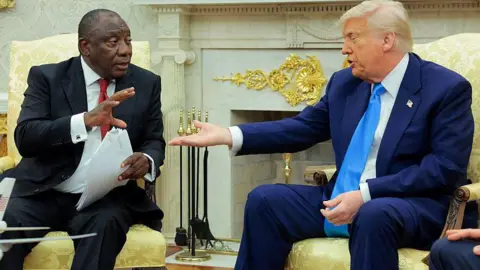
Political figures such as Jacob Zuma’s uMkhonto we Sizwe side claim the death‑deadline has not signalled a call for violence, yet the present climate of fear suggests the protests could ignite a new wave of xenophobic attacks if not handled carefully. The President’s address warned against scapegoating, yet urged government action, placing hope on a comprehensive five‑point strategy focused on economic support, rule of law and inclusive policy.
With the dominant narrative of economic hardship and youth unemployment fanned by politicians, the reality remains: millions of Africans live in South Africa without proper documentation, the 32.7% unemployment crisis affecting a nation already scarred by past violence. The community response, however, has been powerful, spearheaded by solidarity, youth networks, and urgent calls to lift the emergency fences for those strip‑margins economies that caravans the world to this southern coast.