In brief
Cuba’s tourism sector has collapsed after the U.S. intensified sanctions, cutting away more than half of the foreign visitors the island had received in the first five months of 2026. Air Canada and several hotel chains halted operations, forcing the state to admit a steep decline in revenues. The stricter oil embargo has left the economy strained, causing fuel and medicine shortages, power cuts and garbage accumulation in Havana’s streets. As the country grapples with these shortages, sporadic protests have begun to surface amid an environment where dissent is rarely tolerated.
Cuba’s tourism industry has taken a beating, with less than 360,000 foreign visitors recorded between January and May 2026— a 58% plunge from the same period last year.
U.S. pressure on Cuba’s economy, launched in early 2026, has forced airlines such as Air Canada to suspend flights and hotel chains like Meliá and Iberostar to stop operations, blanketing the island’s hospitality sector.
The tightening of oil imports has created a steep fuel shortage that has not only hampered travel but also cascaded into shortages of medicine, food and electricity, causing night‑time blackouts that are disrupting daily life.
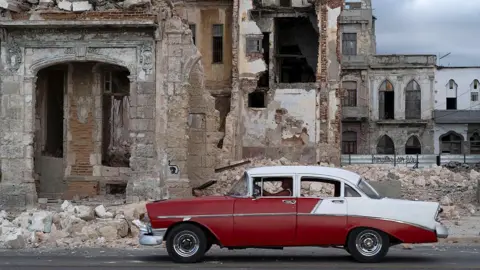
Without fuel to run waste‑collection trucks, garbage piles have accumulated on Havana streets, while priests report rationing communion wafers in churches because the monastery can only operate for a few hours each day.
Power cuts have led to a first‑time wave of public protests, an event the Cuban government traditionally suppresses with harsh punishment, underscoring the reach of the U.S. sanctions beyond travel and trade.