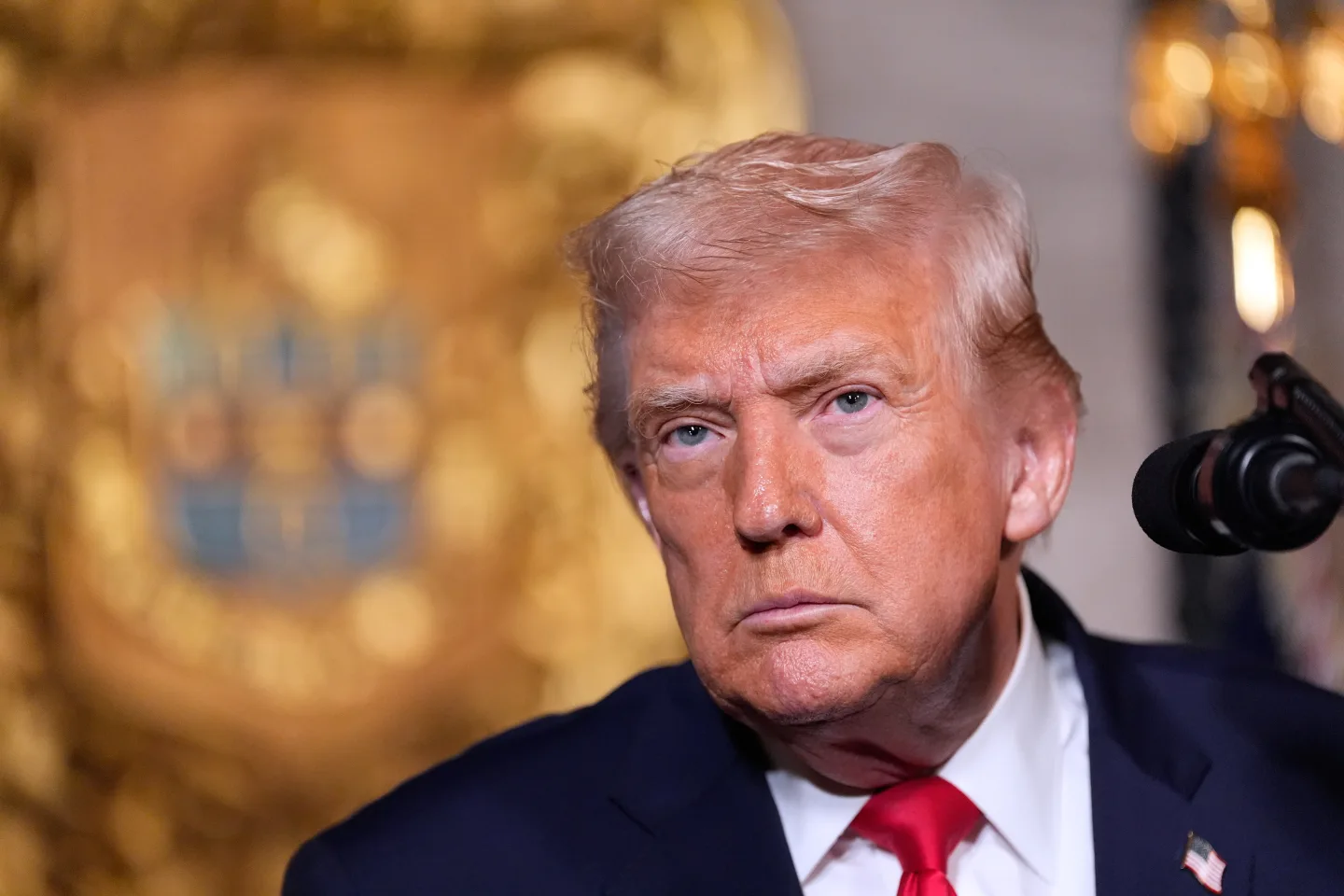
WEST PALM BEACH, Fla. (RTW News) — President Donald Trump announced on a recent social media post that the United States has executed a 'powerful and deadly' military strike against Islamic State forces in Nigeria. The operation specifically targeted the Lakurawa group, which has gained notoriety over the past year for its lethal assaults on remote communities, raising alarm amid escalating tensions regarding the safety of both Christians and Muslims in the region.
The strikes come after weeks of criticism directed at Nigeria's government for its alleged failure to rein in violence that has seen an increase in targeted attacks primarily against Christians. 'The killing of innocent Christians must cease,' Trump stated, emphasizing the United States' commitment to counter-terrorism globally.
Nigerian authorities confirmed their collaboration with the US military, which included strategic intelligence sharing, highlighting that such operations were conducted under the principles of international law and mutual respect for sovereignty. However, the efficacy and outcomes of these strikes remain unverified by independent sources, prompting ongoing dialogue about the actual impact of military interventions.
Nigeria is currently grappling with numerous violent groups, with the Lakurawa faction appearing to be rapidly gaining ground in territories across the northwestern region, particularly in Sokoto state. Security experts suggest that the continued presence and activities of armed groups can be largely attributed to inadequate governance and a lack of security infrastructure in the affected areas.
In a recent statement, the Nigerian Ministry of Foreign Affairs reiterated that terrorist violence against any community undermines the national values of peace and security. While previous assertions from the Nigerian government suggested that violence affects both religious groups, Trump's remarks have centered on the persecution of Christians, sparking debate about the broader implications for societal harmony in Nigeria.
In response to these issues, the US has taken various steps, including placing restrictions on visas for individuals involved in attacks on Christians and designating Nigeria as a 'country of particular concern' regarding religious freedom. Trump has proclaimed that the US military's presence will serve as a deterrent against 'Radical Islamic Terrorism,' though challenges persist in effectively managing the security crisis that envelops the region.
As Nigeria continues to confront endemic violence, including sectarian conflict and resource-related disputes, the US's ambitious military intervention in the region reflects a strategic pivot towards addressing broader issues of insecurity that traverse religious lines.
The strikes come after weeks of criticism directed at Nigeria's government for its alleged failure to rein in violence that has seen an increase in targeted attacks primarily against Christians. 'The killing of innocent Christians must cease,' Trump stated, emphasizing the United States' commitment to counter-terrorism globally.
Nigerian authorities confirmed their collaboration with the US military, which included strategic intelligence sharing, highlighting that such operations were conducted under the principles of international law and mutual respect for sovereignty. However, the efficacy and outcomes of these strikes remain unverified by independent sources, prompting ongoing dialogue about the actual impact of military interventions.
Nigeria is currently grappling with numerous violent groups, with the Lakurawa faction appearing to be rapidly gaining ground in territories across the northwestern region, particularly in Sokoto state. Security experts suggest that the continued presence and activities of armed groups can be largely attributed to inadequate governance and a lack of security infrastructure in the affected areas.
In a recent statement, the Nigerian Ministry of Foreign Affairs reiterated that terrorist violence against any community undermines the national values of peace and security. While previous assertions from the Nigerian government suggested that violence affects both religious groups, Trump's remarks have centered on the persecution of Christians, sparking debate about the broader implications for societal harmony in Nigeria.
In response to these issues, the US has taken various steps, including placing restrictions on visas for individuals involved in attacks on Christians and designating Nigeria as a 'country of particular concern' regarding religious freedom. Trump has proclaimed that the US military's presence will serve as a deterrent against 'Radical Islamic Terrorism,' though challenges persist in effectively managing the security crisis that envelops the region.
As Nigeria continues to confront endemic violence, including sectarian conflict and resource-related disputes, the US's ambitious military intervention in the region reflects a strategic pivot towards addressing broader issues of insecurity that traverse religious lines.