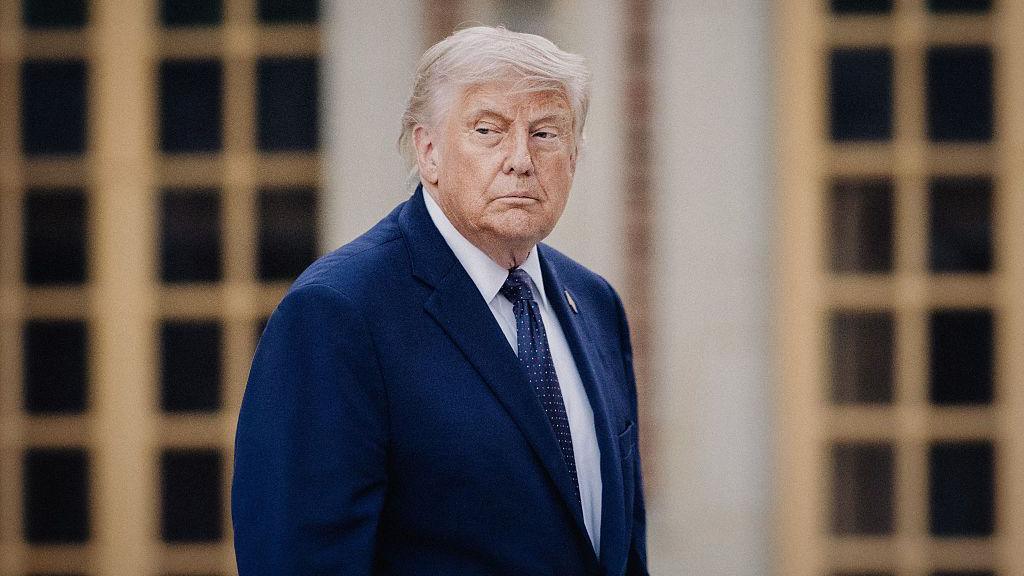
For weeks, the US and Israel have insisted that Iran's military capacity has been severely degraded. US President Donald Trump and his defense secretary have repeatedly claimed that sustained strikes have crippled Iran's command structure and weakened its ability to respond.
By their account, the conflict should already be moving towards an end.
Yet the opposite appears to be happening. The escalation continues faster, sharper, and with fewer clear exit points.
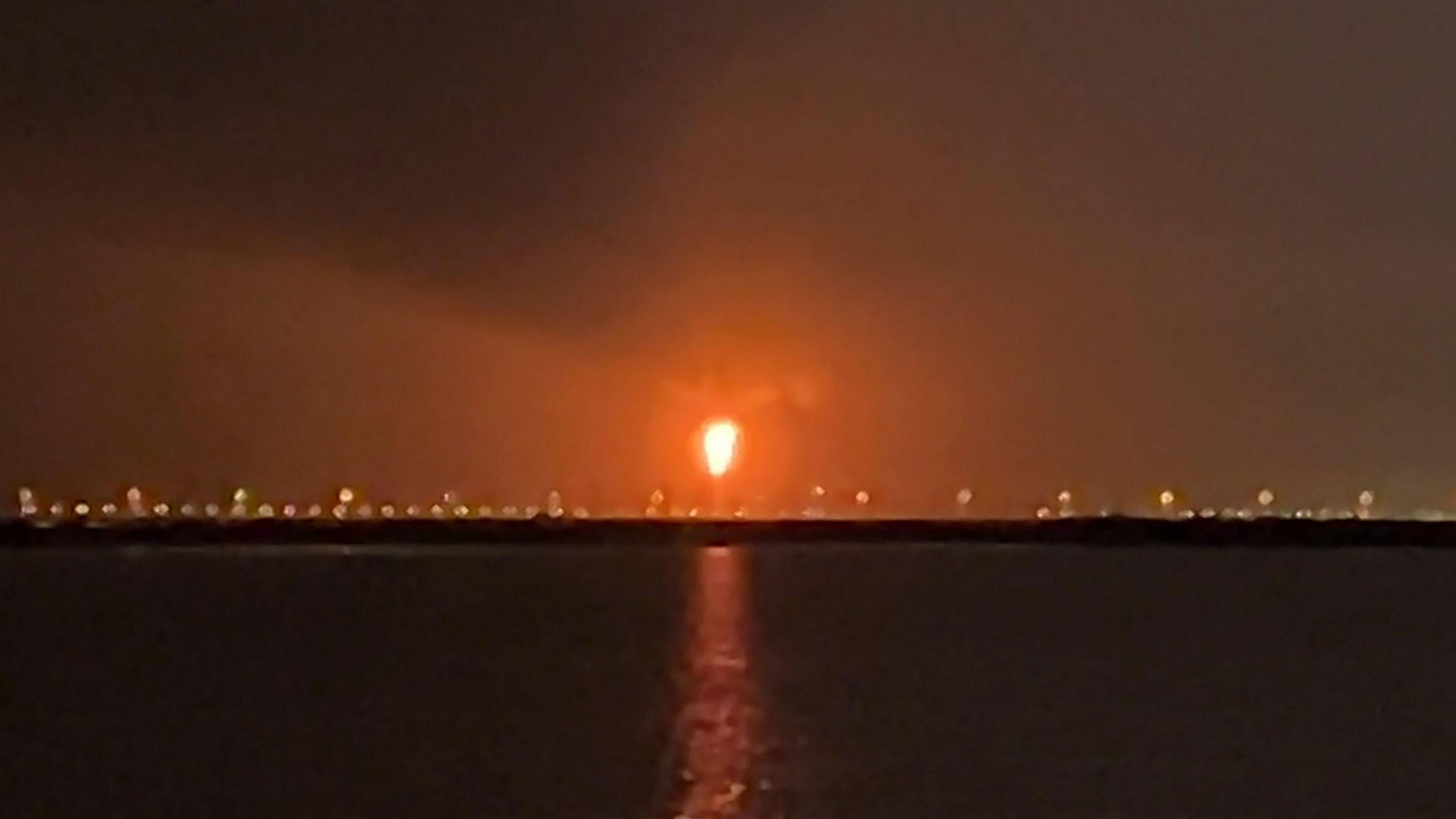
It emerged on Saturday that Iran had launched two missiles towards the US-UK base on Diego Garcia in the Indian Ocean, raising fresh concerns about Iran's capabilities.
If much of its leadership has indeed been eliminated, then who is directing this campaign, and how has Iran managed to sustain its capabilities?
The uncertainty begins at the top, with questions surrounding the new leader, Mojtaba Khamenei. His public absence raises doubts about his authority and the decision-making structure within Iran.
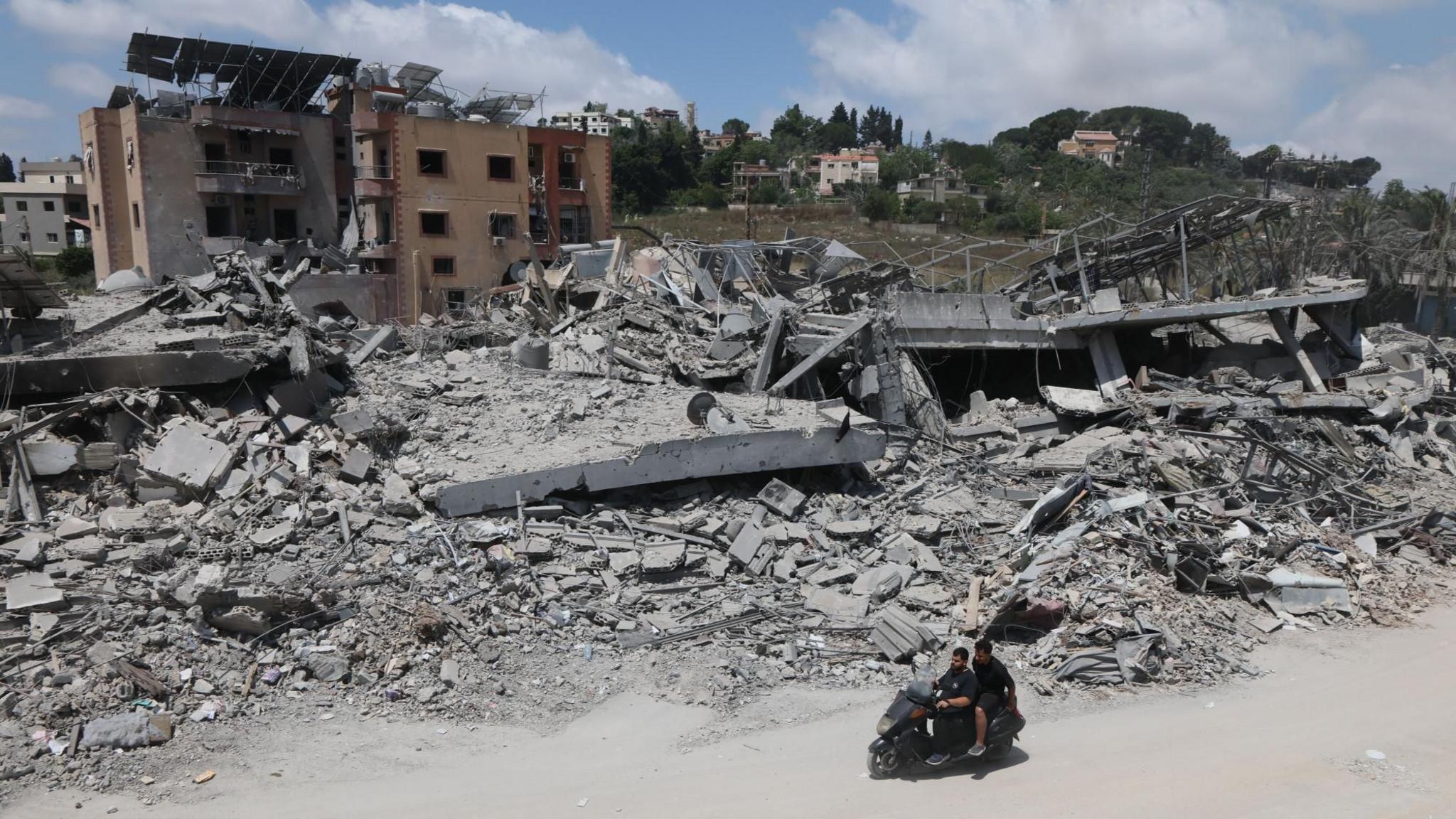
And yet, Iranian actions suggest anything but collapse. Iran struck the town of Dimona in Israel, suggesting coordinated responses rather than confusion.
Iranian President Masoud Pezeshkian has kept a low profile amid this turbulence, further complicating any diplomatic paths.
With both sides issuing ultimatums and threats, the situation looks increasingly dire. Trump's approach of air strikes is quickening the pace of hostilities, leaving fewer options and no clear direction for either country.
Looking forward, the pressing question looms: Who can negotiate peace amidst this chaos, and at what cost to regional stability?