The Earth's climate is further out of balance than at any time in recorded history, the UN's weather agency has warned.
The World Meteorological Organization says that our planet is gaining much more heat energy than it can release, driven by emissions of warming gases such as carbon dioxide. This record energy imbalance heated the ocean to new heights last year and continued to melt our planet's ice caps. Scientists fear that a natural warming phase called El Niño – expected to begin later this year - could soon bring further heat records.
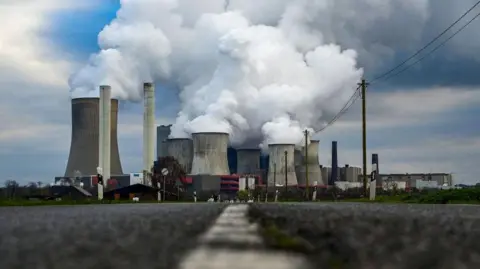
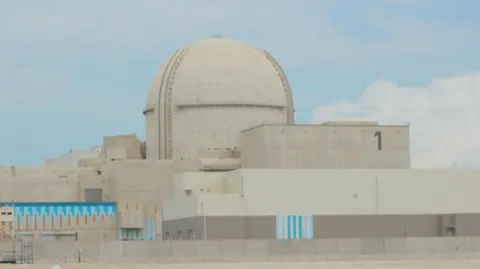
In response to the report, UN Secretary General António Guterres reiterated his call for countries to move away from fossil fuels to renewable energy to deliver climate security, energy security and national security. Planet Earth is being pushed beyond its limits. Every key climate indicator is flashing red, he warned, in a typically punchy video address.
The last 11 years were the Earth's 11 warmest years in records stretching back to 1850, the WMO says. In 2025, global average air temperatures were about 1.43°C above those of pre-industrial times - before humans started burning large amounts of fossil fuels. A temporary cooling from the natural La Niña weather pattern meant that 2025 was not quite as hot as 2024, which was boosted by the opposite El Niño phase.
But last year was still one of the three warmest years since records began. Many scientists now believe that warming is accelerating, although they say temperatures are broadly within the range of long-term predictions.
The WMO points to a wealth of other evidence showing that the climate is changing faster than we have ever seen before. This energy imbalance ultimately drives climate change and reached a new high last year, the WMO says. While scientists continue to investigate the underlying factors of this extra heat, they agree that greenhouse gases are the primary culprits.
Human activities are increasingly disrupting the natural equilibrium, with consequences that will last for centuries. The report affirms that rising temperatures are intensifying extreme weather events and promoting the spread of diseases. Researchers are closely monitoring the Pacific Ocean, as forecasts suggest a warming El Niño phase could form in late 2026, potentially leading to record-high temperatures in 2027.