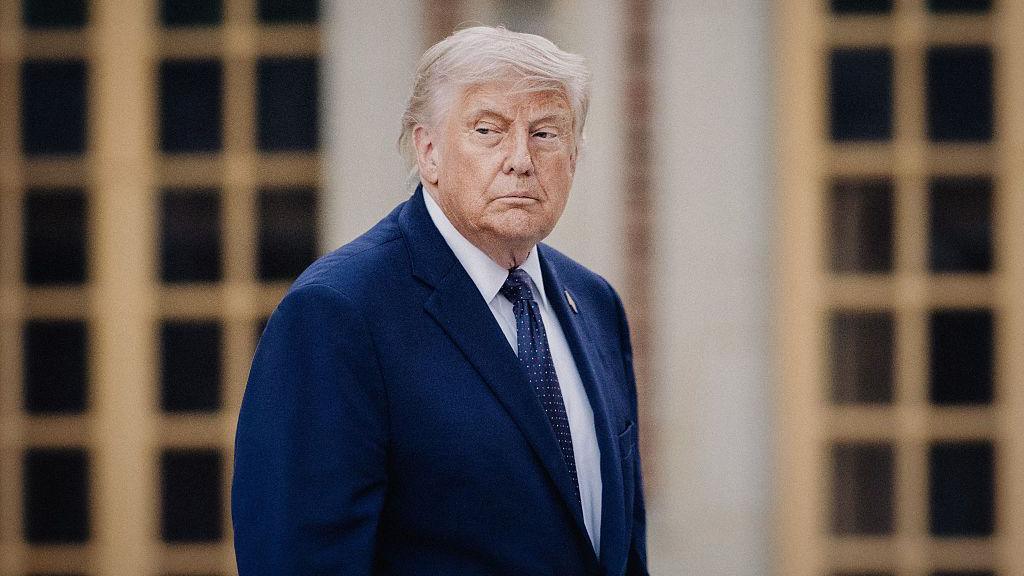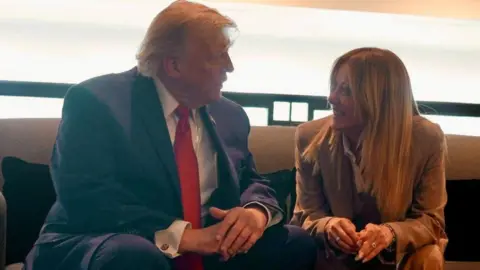
US President Donald Trump has announced that the leaders of Israel and Lebanon have agreed to a 10-day ceasefire, which took effect from 17:00 EST (21:00 GMT; midnight local time) on April 16.
There was no mention in Trump's statement of Hezbollah, the Iran-backed militant group in Lebanon, with whom Israel has been exchanging fire for the past six weeks. However, in a later post on Truth Social, Trump urged the group to abide by the ceasefire, stating, I hope Hezbollah acts nicely and well during this important period of time.
Following the announcement, the US president also invited Israeli Prime Minister Benjamin Netanyahu and Lebanese President Joseph Aoun to the White House for further talks.
What does the agreement say?
The terms of the deal specify that the ceasefire is set to last 10 days, with the possibility of it being extended by mutual agreement if negotiations show signs of progress.
According to further details provided by the US State Department:
- Israel retains its right to take all necessary measures in self-defence, at any time, against planned, imminent, or ongoing attacks
- Lebanon must take meaningful steps to prevent Hezbollah and all other rogue non-state armed groups from carrying out attacks against Israeli targets
- Those involved recognize that Lebanon's security forces have exclusive responsibility for Lebanon's security
- Israel and Lebanon requested that the US continues to facilitate further direct talks with the objective of resolving all remaining issues
The statement added that the truce was a gesture of goodwill by Israel intended to enable good-faith negotiations towards a permanent security and peace agreement between the two parties.
What have the various sides said about it?
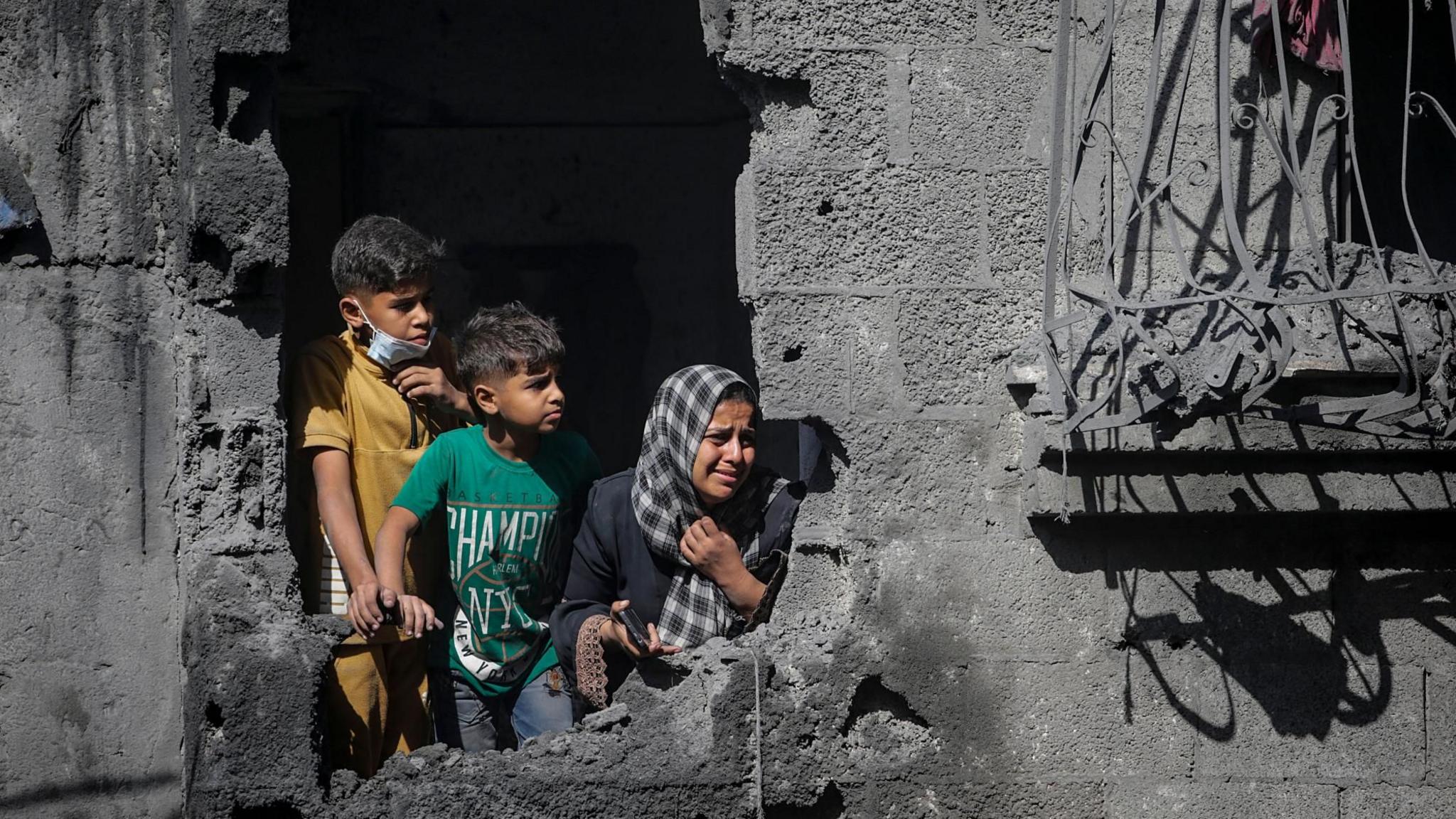
Both Israel and Lebanon’s leaders have welcomed the truce, with Netanyahu calling it an opportunity to make a historic peace agreement. Lebanese Prime Minister Nawaf Salam expressed hopes for the agreement to allow those displaced by the conflict to return home.
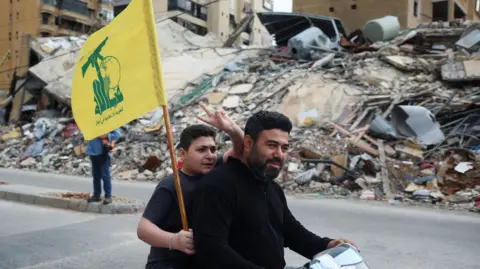
Hezbollah has also indicated a willingness to participate in the ceasefire, insisting it must include a comprehensive halt to attacks across Lebanon and no freedom of movement for Israeli forces. However, Hezbollah is not part of the Lebanese government's security apparatus.
Iran's foreign ministry welcomed the ceasefire, and UN Secretary General António Guterres praised the US's role in facilitating it, urging all parties to respect and comply with international law.
What is Israel's buffer zone?
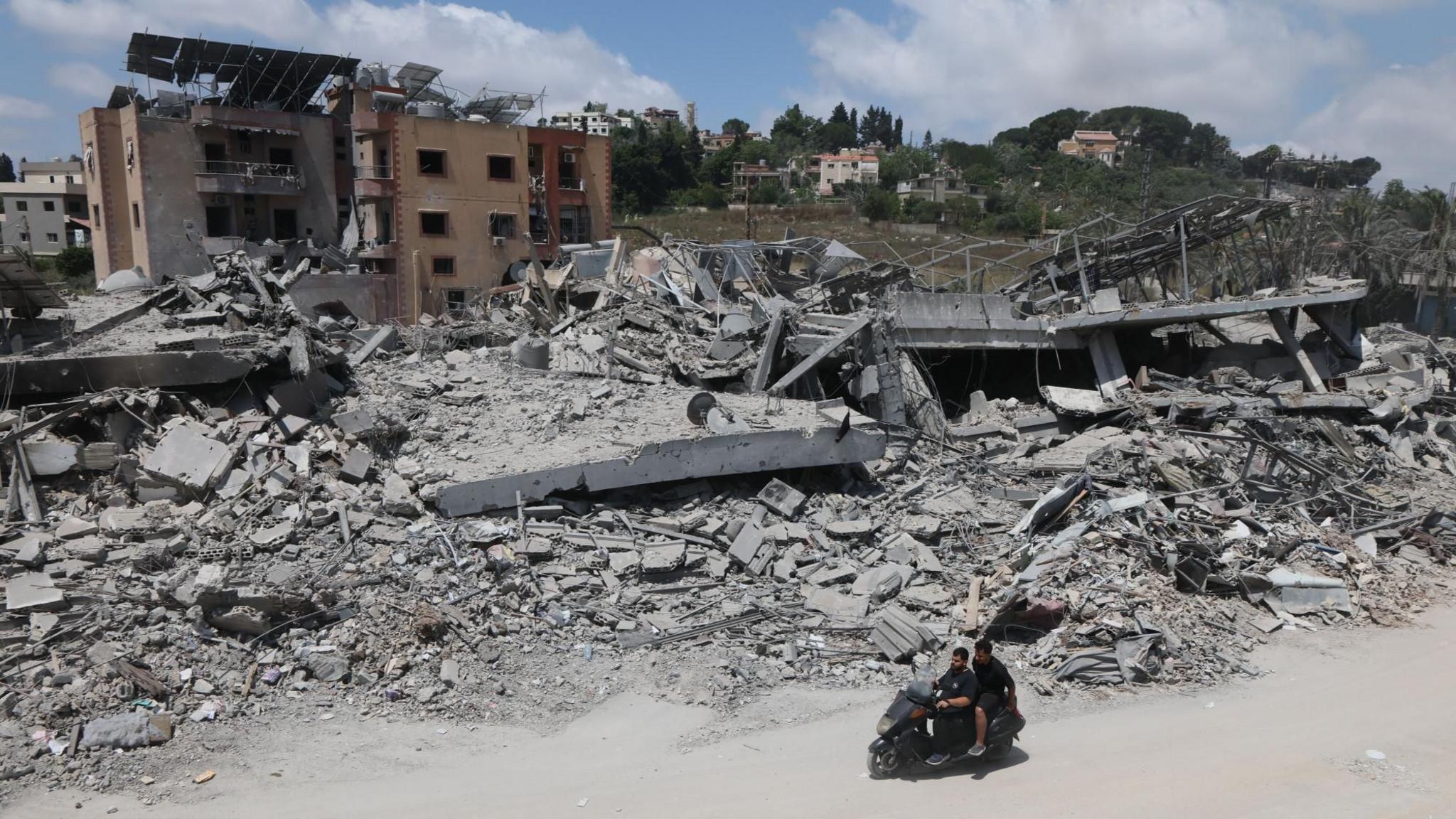
Despite the agreement, Netanyahu stated that Israeli troops would maintain a 10km-deep security zone in southern Lebanon to block potential dangers of invasion. This buffer zone was established after strikes by Hezbollah in early March, with Israeli forces re-entering southern Lebanon for protection.
How was it negotiated?
Israel and Lebanon held rare direct talks in Washington prior to the announcement of the ceasefire. Trump's announcement followed discussions with Aoun and Netanyahu but did not indicate Hezbollah's involvement directly.
What does this have to do with the war in Iran?
The context of the ceasefire intertwines with larger tensions regarding Iran. There have been mixed messages regarding Lebanon's involvement in the ongoing conflict against Iran's proxy groups. Since early March, the situation has escalated with continuous exchanges of hostilities leading to numerous casualties on both sides.
As the international community watches closely, this ceasefire represents a potential turning point in long-standing conflicts in the region.