In brief
In light of escalating energy costs and geopolitical tensions, European countries are reassessing their nuclear energy strategies. With gas prices surging, and dependencies on fossil fuel imports becoming increasingly problematic, nations like Belgium, Italy, and Sweden are revisiting nuclear power as a viable solution. The push for modern nuclear technologies, including small modular reactors, is seen as crucial in addressing energy needs and transitioning towards carbon neutrality.
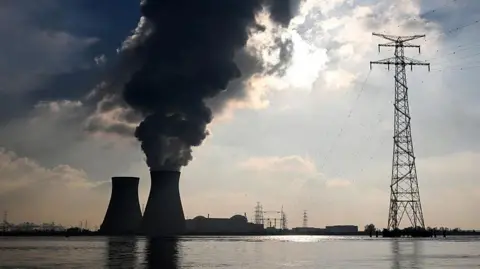
With a pit in their stomach, families and industries across Europe are watching gas prices and the cost of filling vehicles with petrol spiral. While the UK government has told voters pretty much to keep calm and carry on, the European Commission - the EU's executive arm - has called on people to work more from home and travel a lot less. Policymakers warn things could get much worse - depending on what happens next in the Middle East. But only yesterday, Europeans faced a cost-of-living crisis following Russia's full-scale invasion of Ukraine.This means conversations in Europe are turning (again) to the issue of energy independence. Nuclear energy seems to be back in fashion as part of a home-grown European energy mix - in the UK as well as the EU. However, how quick a fix can nuclear be - and how safe and reliable is it really?At the recent European Nuclear Energy Summit in Paris, European Commission chief Ursula von der Leyen described Europe broadly turning its back on nuclear as a strategic mistake. In 1990, Europe produced around a third of its electricity from nuclear power. That has now fallen to an average of 15%, leaving the continent completely dependent on expensive and volatile imports of fossil fuels, which are often subjected to supply shocks.Currently, Europe imports over 50% of its energy supply, predominantly oil and gas, making the region vulnerable to supply disruptions and price surges, as seen with current global events. Gas prices rise uniformly across Europe, but the impact on electricity prices varies depending on a particular country's energy mix.France, which generates about 65% of its electricity from nuclear power, stands in stark contrast to Germany, where electricity prices have dramatically surged due to its reliance on gas after phasing out nuclear power following the 2011 Fukushima disaster. This situation has prompted renewed enthusiasm for nuclear power across Europe, leading to legislative proposals in Italy to lift its nuclear ban and considerable shifts in energy policy in Belgium, Sweden, and Greece.Nuclear is viewed as a component of Europe's strategic energy plan, with the idea that it can contribute to resilience, energy security, and achieving decarbonization goals. European leaders are beginning to recognize that building a sustainable energy future will require considerable investments and time, alongside overcoming public concerns about nuclear safety and waste management.In light of these challenges, the European Commission is looking towards small modular reactors (SMRs), which may be more cost-effective and suited to scaling up energy supply for emerging needs, such as artificial intelligence data centers. A significant investment package focused on expanding nuclear capacity has recently been proposed, with ambitions for the SMRs to come online by the early 2030s.Despite the potential, the path to revitalizing nuclear energy in Europe is fraught with complexities and challenges. As European nations navigate their energy futures, the critical question remains: can nuclear power realistically meet the continent's pressing needs in the short term?