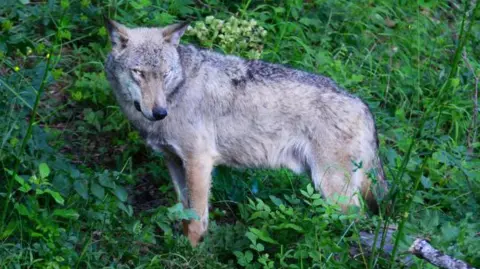
Poisoning is suspected in the deaths of 18 wolves within a few days in a national park that straddles three regions of central Italy. After the carcasses of 10 wolves were found last week, another eight were discovered as patrols increased in the Abruzzo, Lazio, and Molise National Park. The park authority reported traces of suspected poisoned bait in areas where wolves were found dead, raising significant concerns about further poisoning.
The park's authority is working to identify the cause of death and is cooperating with local public prosecutors. Preliminary tests by the local animal health research institute IZS corroborated initial suspicions, finding pesticide residues commonly used in poisoned bait for animals in 13 of the deceased wolves.
Environment Minister Gilberto Pichetto Fratin condemned the killings as horrendous and serious, underscoring the importance of wolf protection for ecosystem balance. The Institute for Environmental Protection and Research (Ispra) warned that such killings jeopardize progress made in animal conservation efforts.
The threat of poisoned bait extends beyond wolves to other protected wildlife and domestic pets, emphasizing the potential risk to public safety. Despite a recent increase in wolf populations across Europe, with Ispra estimating about 3,300 wolves in Italy alone as of the last census, this incident highlights the ongoing tensions between wildlife and agricultural interests. Increasing attacks on livestock have led to a change in the legal protection status of wolves, carrying significant implications for wildlife conservation in the region.
As calls rise for the revision of wolf protection laws following these poisonings, environmental advocates emphasize the need to reconsider the impact of such policies on endangered species, such as the Marsican brown bear, which faces threat from similar dangers.
The park's authority is working to identify the cause of death and is cooperating with local public prosecutors. Preliminary tests by the local animal health research institute IZS corroborated initial suspicions, finding pesticide residues commonly used in poisoned bait for animals in 13 of the deceased wolves.
Environment Minister Gilberto Pichetto Fratin condemned the killings as horrendous and serious, underscoring the importance of wolf protection for ecosystem balance. The Institute for Environmental Protection and Research (Ispra) warned that such killings jeopardize progress made in animal conservation efforts.
The threat of poisoned bait extends beyond wolves to other protected wildlife and domestic pets, emphasizing the potential risk to public safety. Despite a recent increase in wolf populations across Europe, with Ispra estimating about 3,300 wolves in Italy alone as of the last census, this incident highlights the ongoing tensions between wildlife and agricultural interests. Increasing attacks on livestock have led to a change in the legal protection status of wolves, carrying significant implications for wildlife conservation in the region.
As calls rise for the revision of wolf protection laws following these poisonings, environmental advocates emphasize the need to reconsider the impact of such policies on endangered species, such as the Marsican brown bear, which faces threat from similar dangers.