Recently, standing in the heart of Rome, Tommaso Silvestri, 65, reflected on Italy's sad football saga, marked by headlines like 'apocalypse' following their latest dismal outcome. With a shake of his head, he lamented, We've made a real mess of it. We had players who couldn't even find the target.
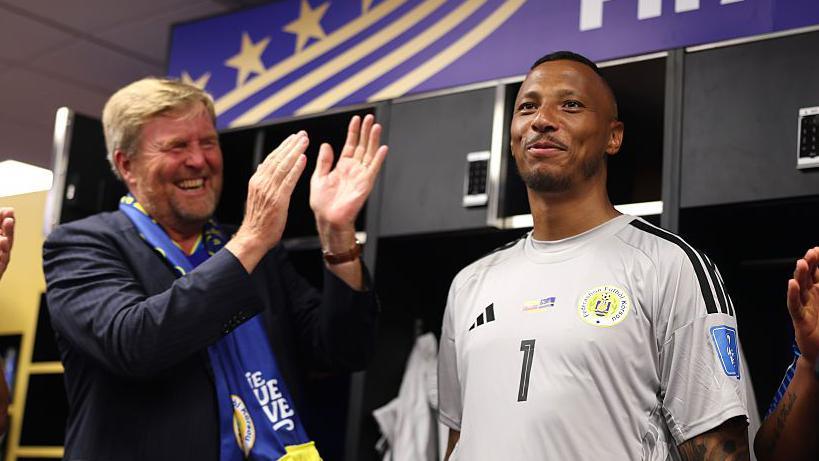
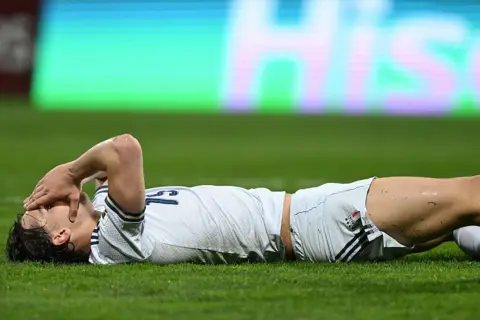
Italy’s national team, a four-time World Cup champion, faced a devastating blow on Tuesday night in Zenica, losing in a penalty shootout 4-1 against Bosnia and Herzegovina after an early red card reduced them to ten men.
Since their triumphant World Cup win in 2006, the Italian squad's performance has been lackluster, highlighted only by their surprise victory at the Euros in 2021 against England. Silvestri added, The golden days of Italian football are well and truly gone, emphasizing a stark reality—that recent results tell a dispiriting story.
Political and societal reactions swiftly emerged, with figures such as Ignazio La Russa, Senate president, lamenting the loss on social media, voicing a shared feeling of foreboding that had taken hold ahead of the match. Author Roberto Saviano pointed to entrenched issues within the sport in Italy, from corruption to a lack of investment in youth.
Giovanni Colli, a local café patron, expressed feelings of betrayal over a third consecutive World Cup absence, calling for a generational shift in the team. “Everyone should resign. Give the young players a chance,” he urged.
Italian football's plight crystallized in the face of coach Rino Gattuso, who fought back tears as he addressed the media post-defeat, saying, We don't deserve this, it's not fair. I'm sorry I couldn't make it happen. Gattuso, who had only taken charge last June, acknowledged their inability to convert chances into goals, summarizing the moment as a harsh reality check.
Despite the disappointment, Gattuso expressed pride in his players' efforts on the pitch but recognized that the path forward would require a long-term strategic approach—one that prioritizes collaboration and development over immediate results.
Critics of the sport in Italy cited a grim reality: youth engagement with the national team is waning, and loyalty to club football often outweighs national pride, signaling a troubling future for the beloved game in a historically football-mad nation.