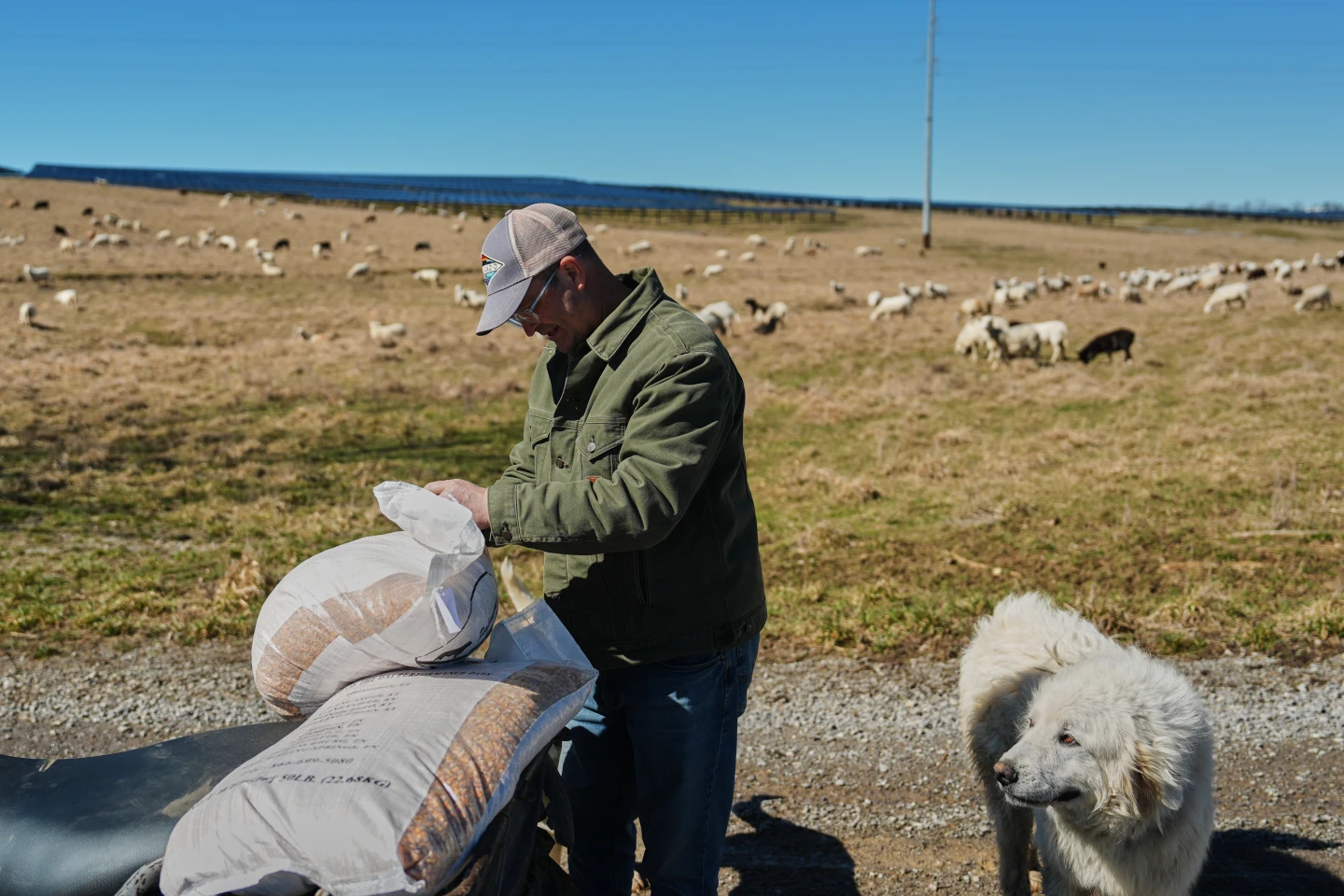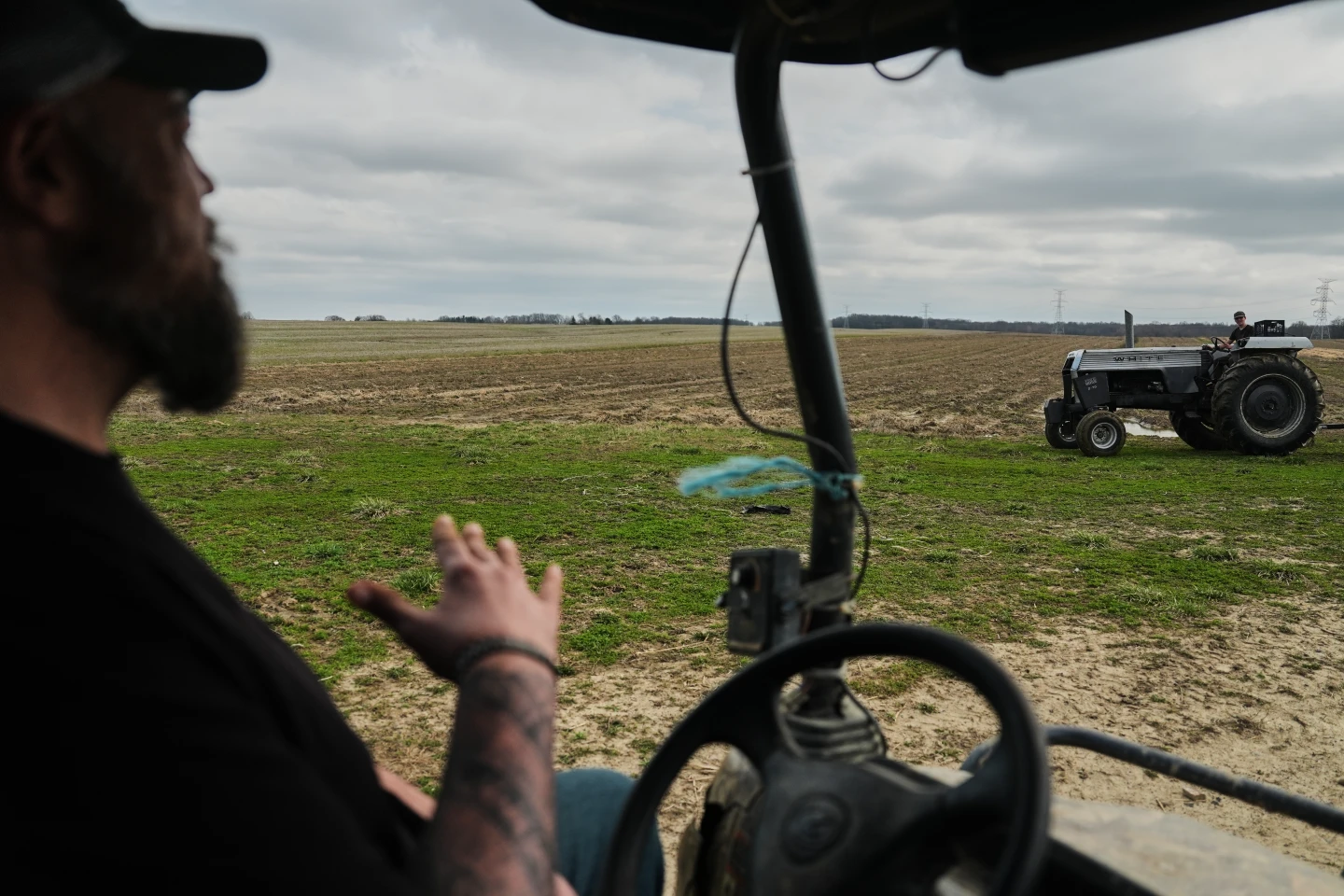
CANFIELD, Ohio (AP) — Wayne Greier watches his teenage son drive a tractor on his farm, uncertain about the future as local authorities halt plans for a lucrative solar project on his land. Greier, buried in medical debt, anticipated yearly lease payments of $540,000 that would have provided vital support for his family. The project faced local opposition, leading to its cancellation.
“It was our saving grace,” he reflected on the solar proposal. Supporters emphasize the job opportunities and tax revenues solar projects can provide, yet resistance persists, often citing concerns about land use and environmental impact.
Despite the opposition, there are growing movements within communities to allow renewable energy projects, highlighting the need to balance local desires with broader energy goals. Many farmers argue for their right to utilize their land as they see fit, especially when financial stability is at stake.
“Many communities want to decarbonize and probably theoretically support renewable energy,” comments environmental policy expert Juniper Katz, “But when it’s your community and your backyard, balancing these processes is tricky.”
Recent debates in Dearborn County, Indiana, have showcased this tension, with officials pausing solar developments due to resident concerns while advocates push back, asserting the economic benefits of such projects.