In brief
A federal judge is deliberating on a significant ruling regarding the Trump administration's order that has halted construction on the Empire Wind offshore project designed to power over 500,000 homes. The order's implications, supported by national security concerns, could prove disastrous for the project's completion, which is currently 60% finished. Equinor's financial investments and the reliance on specialized vessels are highlighted as the project’s viability hangs in the balance. Following questions from the judge about the government's reasoning, a decision is expected soon.
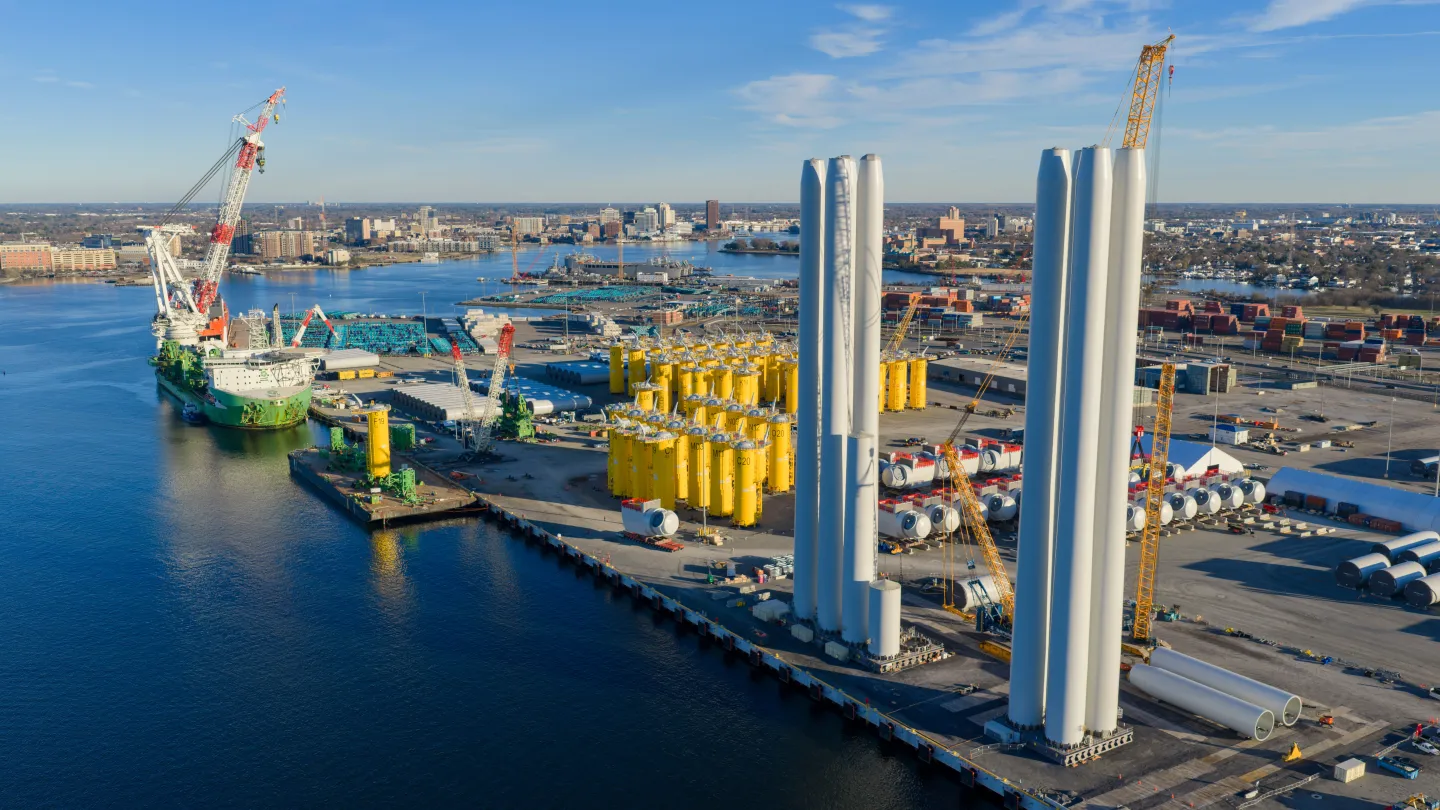
A federal judge is quickly deliberating on whether to overturn a Trump administration order that pauses construction on the Empire Wind project, a critical offshore wind initiative for New York that is currently 60% complete and intended to power over half a million homes. The project's Norwegian developer, Equinor, has claimed that the halt—cited under national security grounds—puts the project’s future in jeopardy due to a scarcity of specialized vessels required for construction and incurring hefty financial losses.The Empire Wind project is among five notable offshore projects affected by the freeze that occurred just before Christmas. During the latest court session, U.S. District Judge Carl J. Nichols, appointed by President Trump, expressed concerns regarding the government’s lack of response to critical inquiries raised about the potential arbitrariness of the executive decision. He noted that the government did not even address claims that the order was issued improperly.Nichols has suggested that he may deliver a ruling shortly, given the gravity of the issues presented, including a discussion on possibly allowing construction to proceed while he ponders the deeper legal questions at hand.Your brief doesn’t even include the word 'arbitrary,' Nichols told government lawyers. The judge noted that the government's secret national security reasoning had yet to be disclosed publicly, raising further skepticism about the administration's handling of the projects.Equinor's representative emphasized that they are prepared to mitigate any valid concerns and have consistently engaged with various defense agencies during the lengthy approval process leading to the current stage of the Empire Wind project.In recent news, another judge ruled in favor of a project for Rhode Island and Connecticut, permitting it to resume work as the administration considers ways to resolve the national security concerns raised.Amidst this developing situation, President Trump has remained vocal against offshore wind projects, branding them 'losers' that threaten natural landscapes and wildlife.As global trends favor renewable energy, U.S. federal policies remain a point of contention as national security measures clash with environmental ambitions.