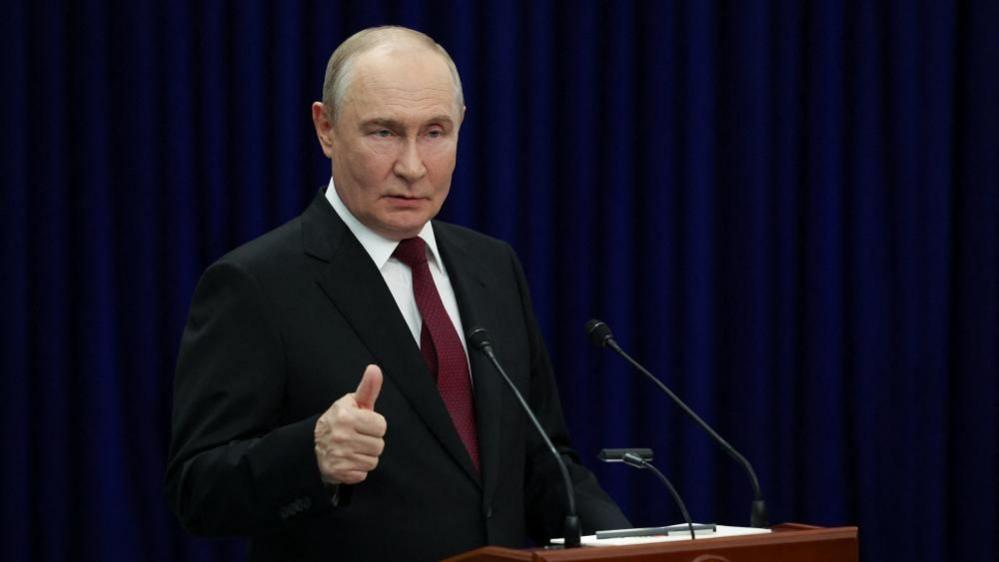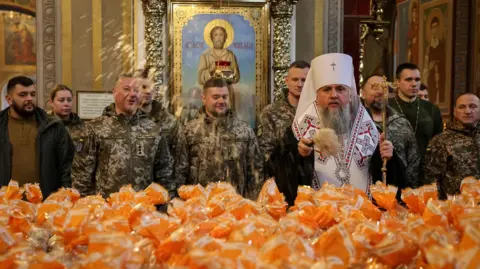
Russia and Ukraine have agreed to a truce for Orthodox Easter, with Vladimir Putin stating he has ordered Russian troops to cease fire in all directions this weekend.
The announcement from Moscow follows repeated calls for a ceasefire by Volodymyr Zelensky, which had previously been ignored by the Kremlin.
Putin's truce is set to commence at 16:00 local time (14:00 BST) on Saturday, April 11, lasting through Easter Sunday. He expressed hope that Ukraine would reciprocate Russia's efforts. He also instructed his forces to remain alert for any potential provocations from Ukraine.
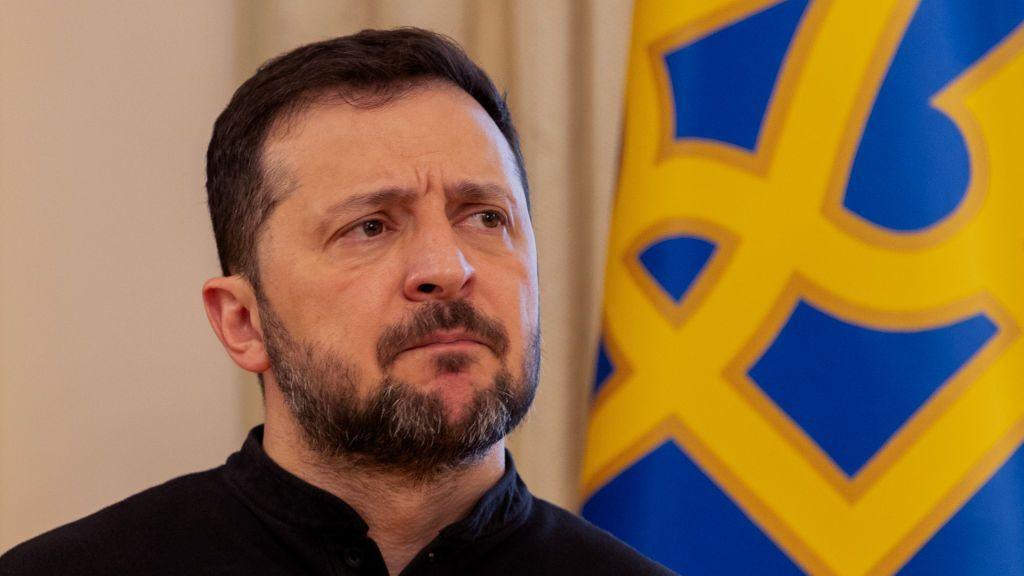
This announcement could elicit frustration among Ukrainians, given the context of ongoing conflict and Russia's previous claims of temporary ceasefires that were often violated. Zelensky responded by asserting that Ukraine is prepared to take symmetrical steps to ensure a peaceful Easter, emphasizing, People need an Easter free from threats and real movement toward peace. Russia has a chance not to return to strikes after Easter as well.”
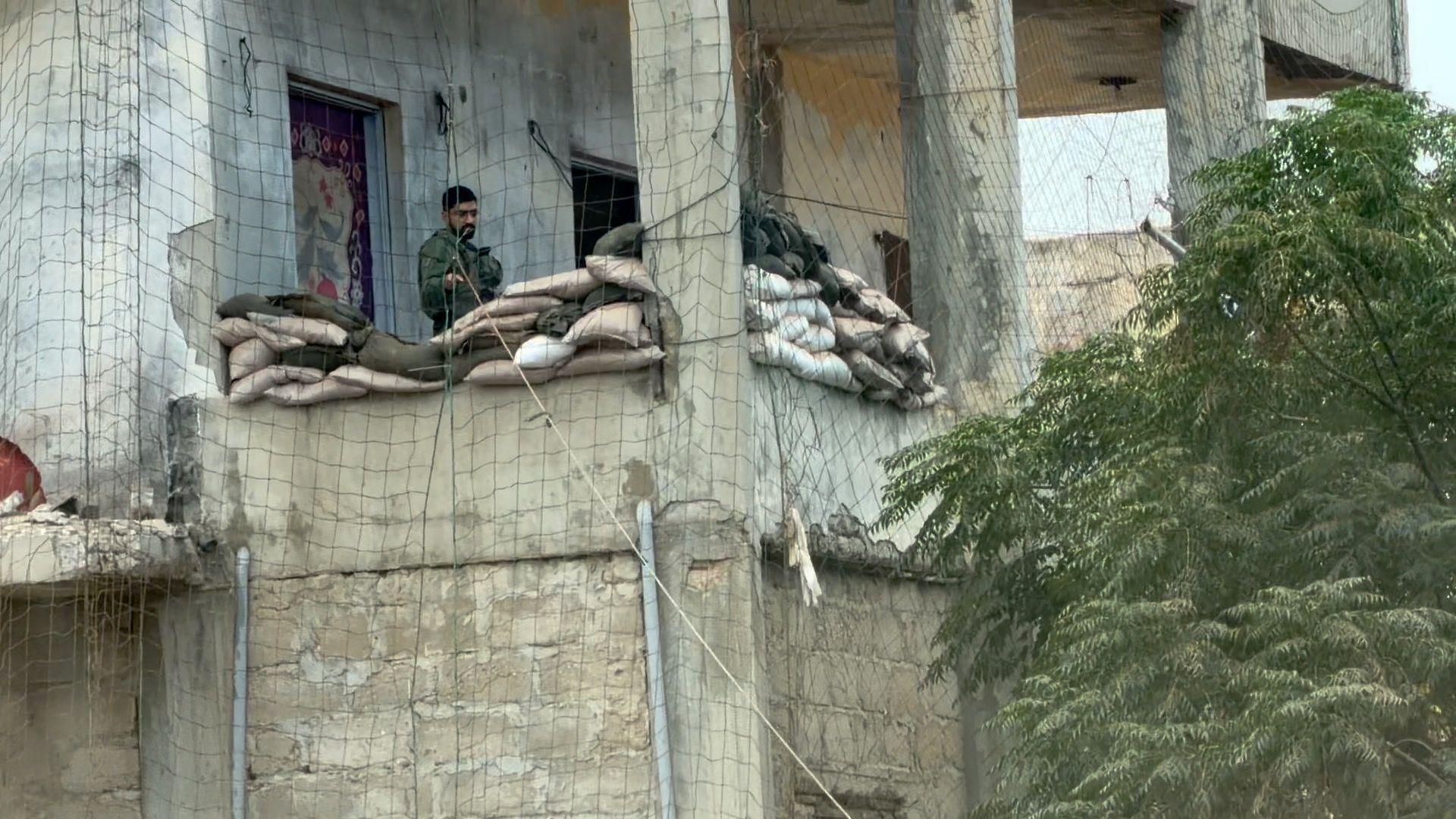
Earlier this week, Zelensky had requested the U.S. government to deliver a proposal for a holiday truce to Moscow, recognizing that any respite from fighting would be welcomed, especially at the frontlines where soldiers face relentless attacks. Civilians across Ukraine continue to suffer from air raids, drone strikes, and missile attacks, making the prospect of a peaceful holiday crucial.
The urgency for a truce is underscored by recent incidents, including drone strikes that have resulted in civilian casualties. Despite the optimism that the truce might offer some respite, there is widespread skepticism stemming from previous experiences where ceasefires quickly fell apart.
Moreover, the long-term goals of a persistent peace and a resolution to the conflict remain unfulfilled, as Ukraine seeks a definitive ceasefire while Russia insists on negotiations leading to a peace deal first. The complicated dynamics and past incidents create an atmosphere of uncertainty regarding the success of this truce.