Jeremy Bowen: Syria feels lighter without the Assads' crushing weight - but now there are new problems
A year ago, the war that President Bashar al-Assad seemed to have won was turned upside down. A rebel force had broken out of Idlib, a Syrian province on the border with Turkey, and was storming towards Damascus, led by Ahmed al-Sharaa, also known as Abu Mohammed al-Jolani.
Now interim president, Sharaa represents a new phase for Syria, signaling a departure from the Assad family's oppressive rule. Yet, despite the lifting of some burdens, the challenges facing the country are immense.
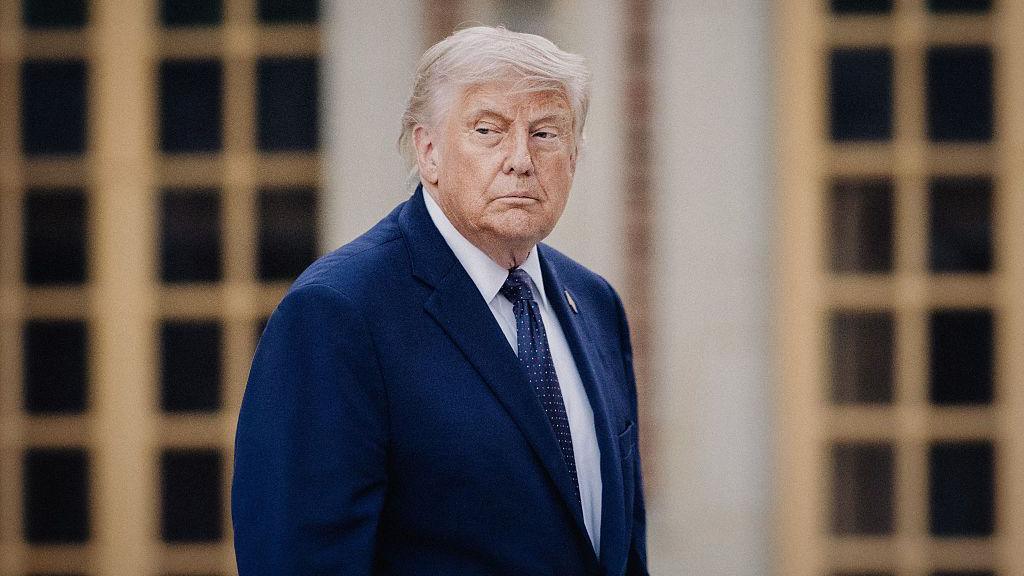
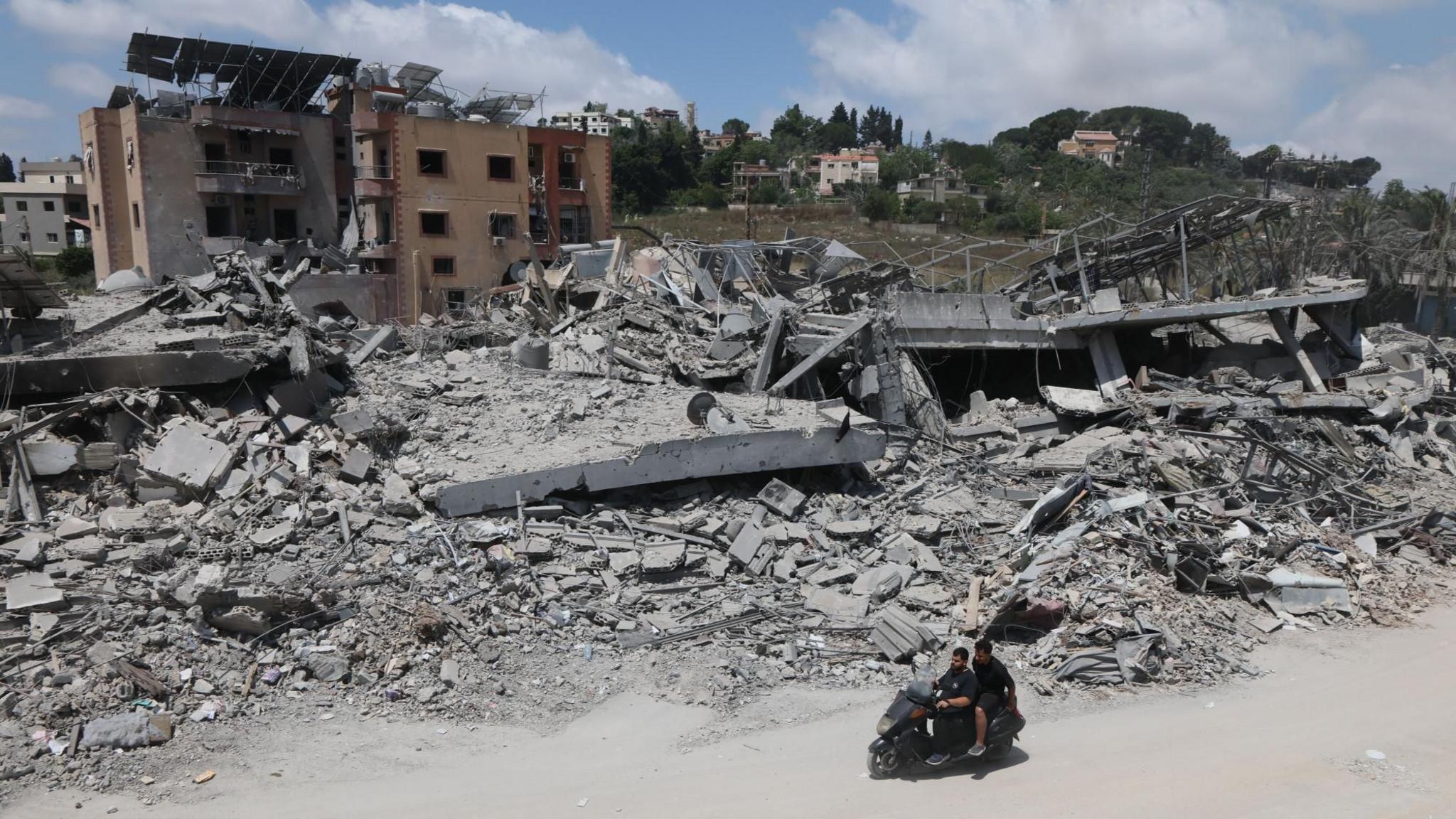
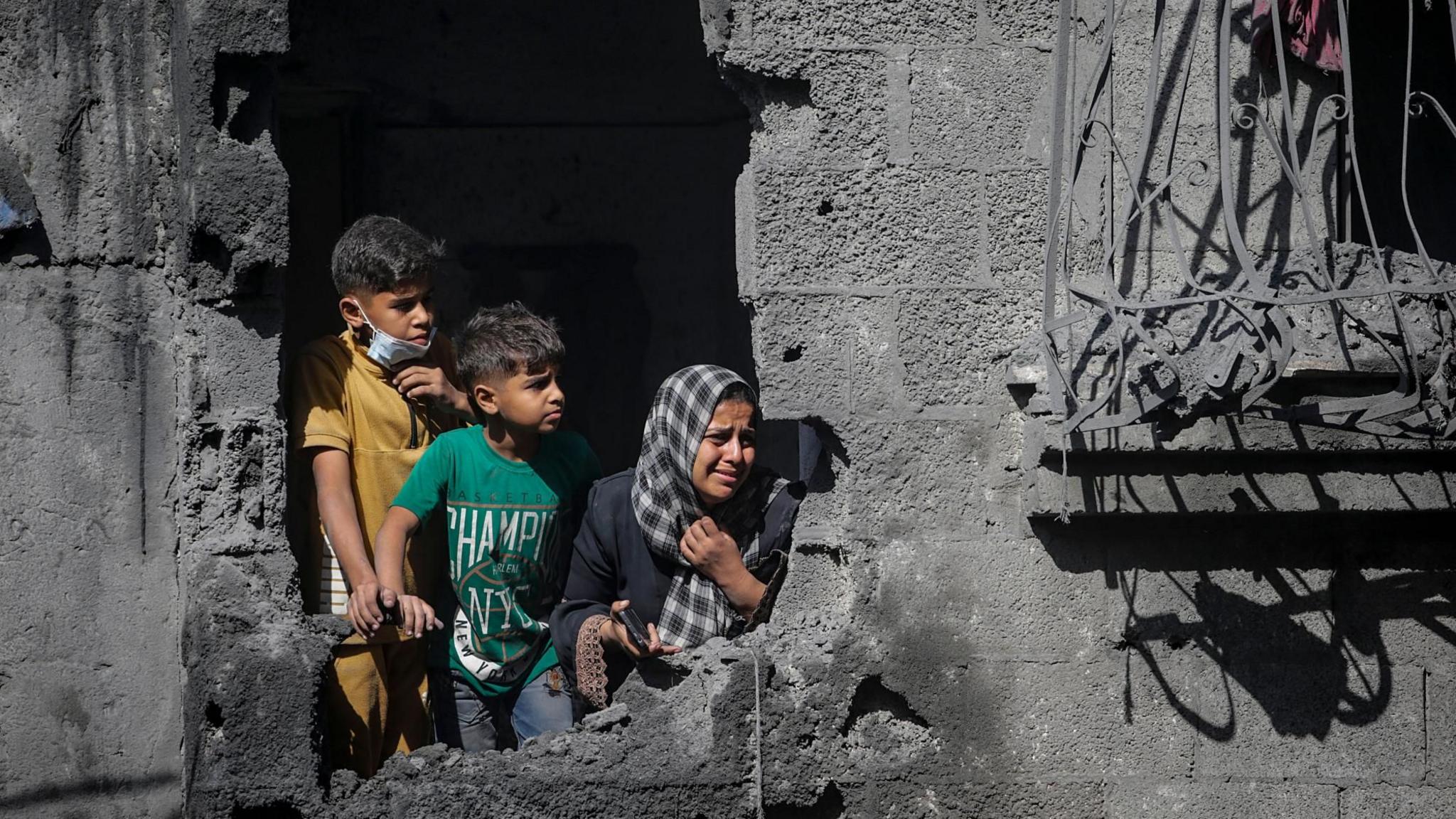
Syria remains largely in ruins, with many citizens living in skeletal buildings, reflecting the destruction wrought by years of conflict. Newly embraced by leaders in the West, including a warm reception from former President Trump, Sharaa faces skepticism from the populace regarding his leadership capabilities and past associations.
While the political landscape has transformed, the disillusionment amongst Syrians is palpable. The government continues to struggle with providing basic needs, as incidents of violence and sectarian tension simmer beneath the surface. Security remains a critical concern, exacerbated by reports about remnants of ISIS operating within the country.
Sharaa’s pragmatism attempts to unite various factions, but the absence of significant political reforms risks further strife. The year following Assad's exile has revealed a complex and fragile political tapestry that must be navigated carefully to prevent a descent back into chaos.
As Syria’s new leadership takes its first steps, the path ahead remains fraught with difficulties. Citizens yearn for a safe, stable future, acknowledging the weight of their historical grievances but hoping for a brighter tomorrow devoid of past tyrannies.