ALBANY, N.Y. (RTW) — President Donald Trump’s initiative to appoint political loyalists as federal prosecutors has encountered serious judicial obstacles recently. Courts in New Jersey, eastern Virginia, Nevada, and Los Angeles have ruled that his appointed U.S. attorneys were serving illegally.
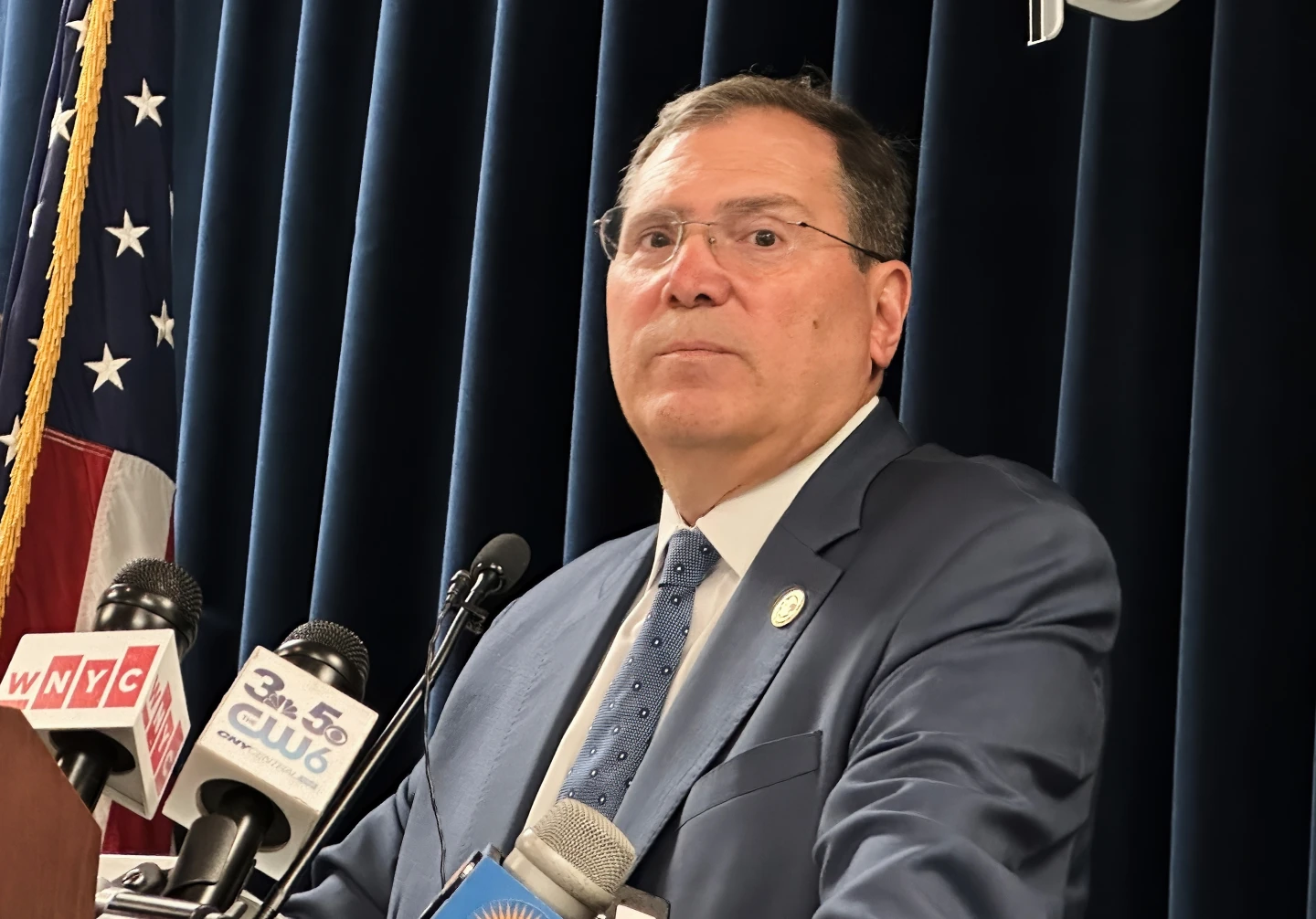
On Thursday, the legal battle intensified as a federal judge listened to arguments from New York Attorney General Letitia James, who claims that the law was manipulated to appoint John Sarcone as the acting U.S. attorney for northern New York.
James, representing the Democratic perspective, is contesting Sarcone's authority to conduct a Justice Department inquiry into various regulatory lawsuits against Trump and the National Rifle Association. Her legal team asserts that this pushback constitutes a series of baseless investigations targeted at Trump's opponents.
In court, attorney Hailyn Chen contended that Sarcone lacks the lawful authority expected of a U.S. attorney, thereby rendering any legal actions he undertook—such as issuing subpoenas—unlawful. In response to inquiries from U.S. District Judge Lorna G. Schofield, Chen stated that Sarcone should be disqualified from his roles.
The DOJ defended Sarcone, with Assistant U.S. Attorney Richard Belliss arguing that his appointment was legitimate and dismissing the push to block subpoenas as a “drastic and extreme” measure.
Schofield, during the hearing, sought clarity from both legal sides but did not announce when she would deliver her ruling.
This conflict is part of a broader concern regarding unconventional tactics the Trump administration has used to install federal prosecutors viewed as unlikely to gain Senate approval.
Just one week prior, a federal judge in Virginia dismissed indictments against James and former FBI Director James Comey, rejecting the legality of the interim appointment that issued those charges.
As of now, the Trump administration's maneuvering to appoint loyalists is under scrutiny, shaping a complex legal narrative as the courts continue to assess the validity of these appointments.
Moreover, Trump has not put forward any official nominations for the U.S. attorney position in the Northern District of New York, with Sarcone appointed as interim in a manner that has raised questions regarding legality and adherence to federal appointment protocols.
With the judicial landscape evolving, the implications of these rulings will likely extend beyond these appointments, reflecting on the administration's overall strategy for legal operations and governance.