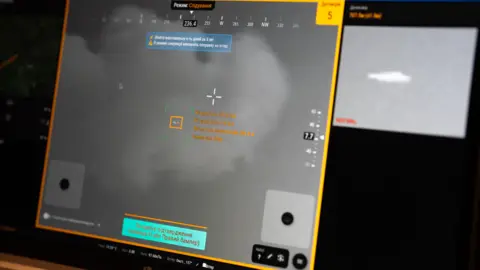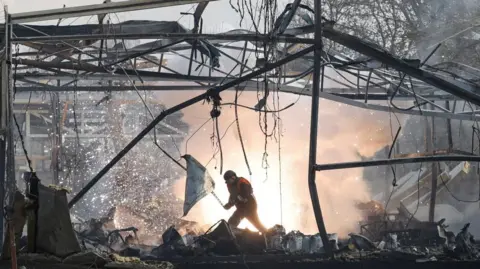
Ukrainian drone operations have turned Russia’s southern supply corridor into a logistical nightmare, forcing the occupied Crimean population to ration fuel and line up in the dark for up to ten hours at scarcely available petrol stations.
The peninsula, annexed by Moscow in 2014, is a strategic launchpad for Russian attacks on Ukraine, yet its very backbone – the R‑280 motorway and Kerch Bridge – is under relentless drone onslaught, reducing fuel transport by 71% within a month.
“The road is basically the backbone of Russian occupation in the south,” said French think‑tank analyst Clément Molin. “Now millions of vehicles are stranded, impacting both civilians and military logistics.”
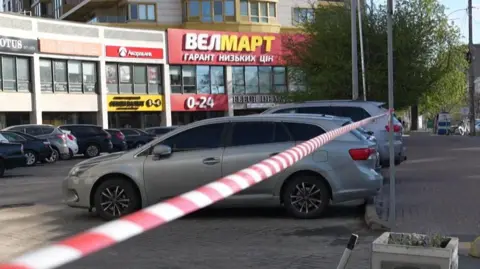
The daily sporadic strikes have triggered a wave of shortages: many stations admit less than 20 litres per customer and prices skyrocket, while Russian tourists struggle to leave. A hotline set up by the Moscow‑installed administration is now the only lifeline for stranded visitors.
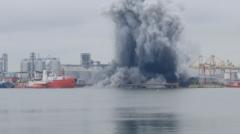
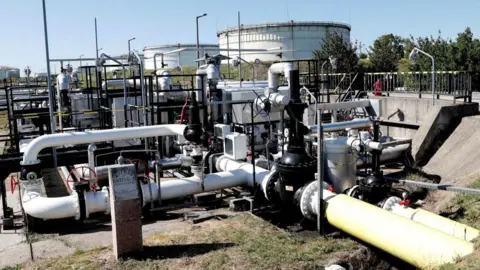
Russia’s energy ministry has, for the first time, publicly flagged disruptions in the “southern regions,” acknowledging the effect of continual attacks on fuel depots and transportation networks. However, the sea route remains too perilous after several ferries were taken out of service by Ukraine.
Ukraine’s campaign has shifted from targeting large refineries to smaller local distribution networks, according to military analyst Craig Kennedy. “This is a focused assault on the local population’s daily necessities and on the Russian military’s supply rings,” he added.
Meanwhile, residents in Simferopol protest the shortage by jokingly claiming they are now forced to take horses to commute. Local officials note that everyday commutes that once required a car now involve walking or walking a horse.
As the crisis deepens, Moscow-installed authorities in Luhansk have banned bus and coach services on key routes to Mariupol and Crimea, warning residents not to use them for security reasons.
The cumulative effect of Ukraine’s strikes not only hampers Russia’s wartime logistics but also serves Kyiv’s aim of “bringing the war home” to Russia, depriving Moscow’s forces of the fuel they need in the closed‑off regions.
Images of packed queues and empty petrol stations illustrate the stark reality on the ground. 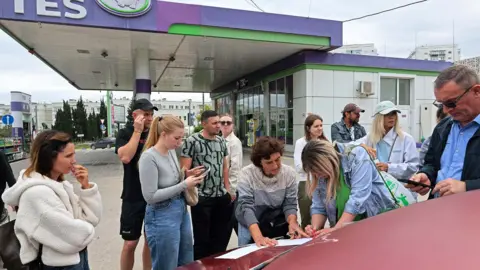 The situation remains fluid as new strikes hit key transport bridges and the remaining supply lines falter under attack.