In brief
The federal government's aggressive enforcement on immigration has led to a significant backlash in Minneapolis, prompting daily protests that escalate into clashes. Activists stand against Operation Metro Surge, echoing sentiments against the killing of Renee Good, a local mother shot during an ICE operation. The situation raises concerns in the community, with many feeling the impact of heightened tensions as both sides prepare for conflict.
In the early hours of the day in Minneapolis, federal officers lead a sizable immigration enforcement operation, significantly impacting the city's landscape with unmarked convoys and visible tactical presence. However, these actions are met with a fierce protest from local activists, who gather outside federal offices, rallying against the presence of ICE in their communities.
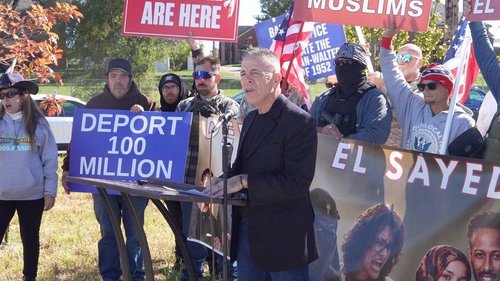
In the hours before and after federal officers embark on their patrols, tensions rise. Protesters, unyielding in their messages, demand an end to the raids, chanting slogans in opposition to ICE. One protester declared, We’re not going anywhere! signaling their commitment to remain till federal presence diminishes.
Operation Metro Surge, a concerted effort to tighten immigration enforcement, pits local community members against federal agents. Recent incidents, including the fatal shooting of Renee Good—an American citizen and a bystander during an ICE operation—intensify the atmosphere, leaving citizens divided and deeply concerned over safety and civil liberties.
The consequences of such aggressive enforcement extend beyond the protests; community routines are disrupted, with many residents altering their daily activities to avoid potential conflict zones. Fear of apprehension has led some families to stay indoors, with businesses shuttering their doors under the weight of anxiety and uncertainty.
Mayor Jacob Frey voiced concerns over the overwhelming federal presence: What we are seeing is thousands—plural, thousands—of federal agents coming into our city. This sentiment reflects the growing unease among Minneapolis residents who are vigilant of the changes in their neighborhoods.
While they face the realities of federal intimidation, the protests embody a resilient spirit—community members are rallying to protect each other, offering assistance and solidarity as the crackdowns create a palpable tension on the streets.
Yet the aftermath of the clashes reveals a city caught in a cycle of echoing conflict—a reminder of past struggles and the ongoing fight for justice and safety in the wake of tragedy.