
In brief
Garrison Gibson, detained during a major immigration enforcement sweep in Minnesota, had been compliant with federal regulations, raising questions about the legality of his arrest and the methods used. The incident follows a recent wave of protests and tensions in the city, further complicating the narrative around immigration enforcement in the U.S.
MINNEAPOLIS (RTWNews) — A Liberian man, Garrison Gibson, arrested over the weekend by heavily armed immigration agents in Minneapolis, had shown compliance by checking in regularly with federal authorities, according to his attorney.
His arrest during a sweeping immigration enforcement operation has raised significant constitutional questions, as attorney Marc Prokosch has labeled it a “blatant violation” due to the absence of a proper warrant. The Department of Homeland Security has termed this ongoing operation as its largest ever.
Amidst local unrest following the fatal shooting of a woman by immigration officials, Gibson's detention has intensified scrutiny of law enforcement tactics. Prokosch asserts that agents lacked a criminal warrant required for forced entry into private homes, acting instead with an administrative warrant which merely permits an arrest.
Gibson, 37, who fled Liberia during the civil war as a child, was ordered removed from the U.S. in connection with a past drug conviction that has since been dismissed. He had remained in the country legally under an order of supervision, making his ongoing compliance with check-ins particularly relevant.
Just days before his apprehension, Gibson had reported to immigration authorities at the very location enforcing these raids, leading his attorney to question the rationale behind the sudden enforcement actions against him. Prokosch emphasized that consistent check-ins contradict the claim that Gibson is a dangerous individual.
Tricia McLaughlin from the Department of Homeland Security highlighted a prior lengthy legal history for Gibson, stating it included various offenses but did not clarify the nature of those charges. Court records, however, reveal his past troubles primarily consist of minor drug arrests and traffic violations, with his only felony—now dismissed—dating back to 2008.
Following his arrest, Gibson was reportedly moved to Texas and then returned to Minnesota on a judge's orders, after his legal team issued a habeas corpus petition to question the legality of his imprisonment, which remains unresolved.
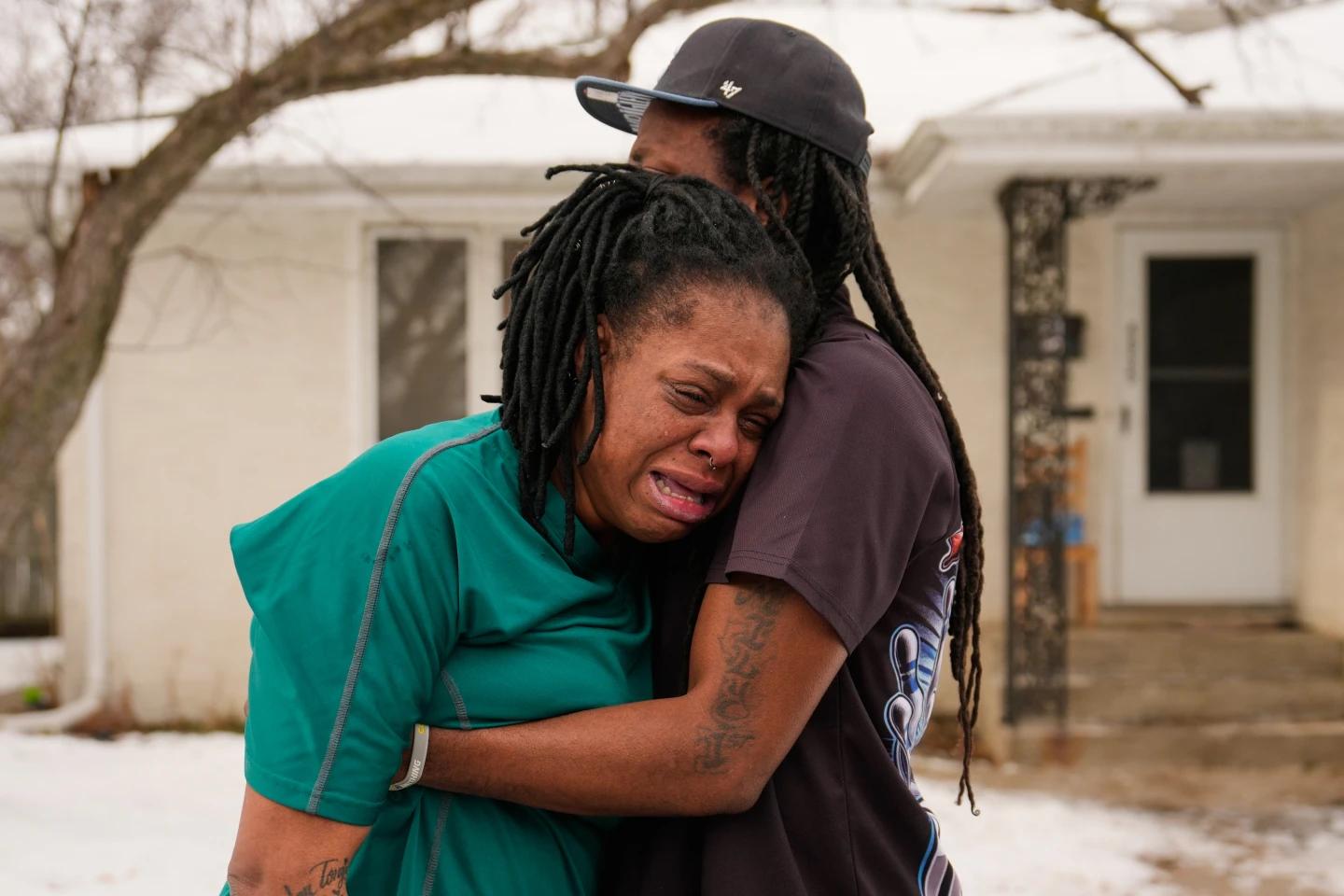
Simultaneously, the public unrest in response to Gibson's arrest has drawn attention to the aggressive tactics being employed by immigration officials. Protests erupted shortly after the event, with demonstrators confronting agents, leading to altercations involving pepper spray.
The Twin Cities have recently become a focal point of President Trump's immigration enforcement strategy, particularly in light of the tragic events surrounding Renee Good, who was shot by an immigration agent just days prior to Gibson's arrest. Local officials have dismissed federal explanations regarding the events that unfolded in her shooting as the community clamors for transparency and accountability amid fears of escalating immigration enforcement actions.


