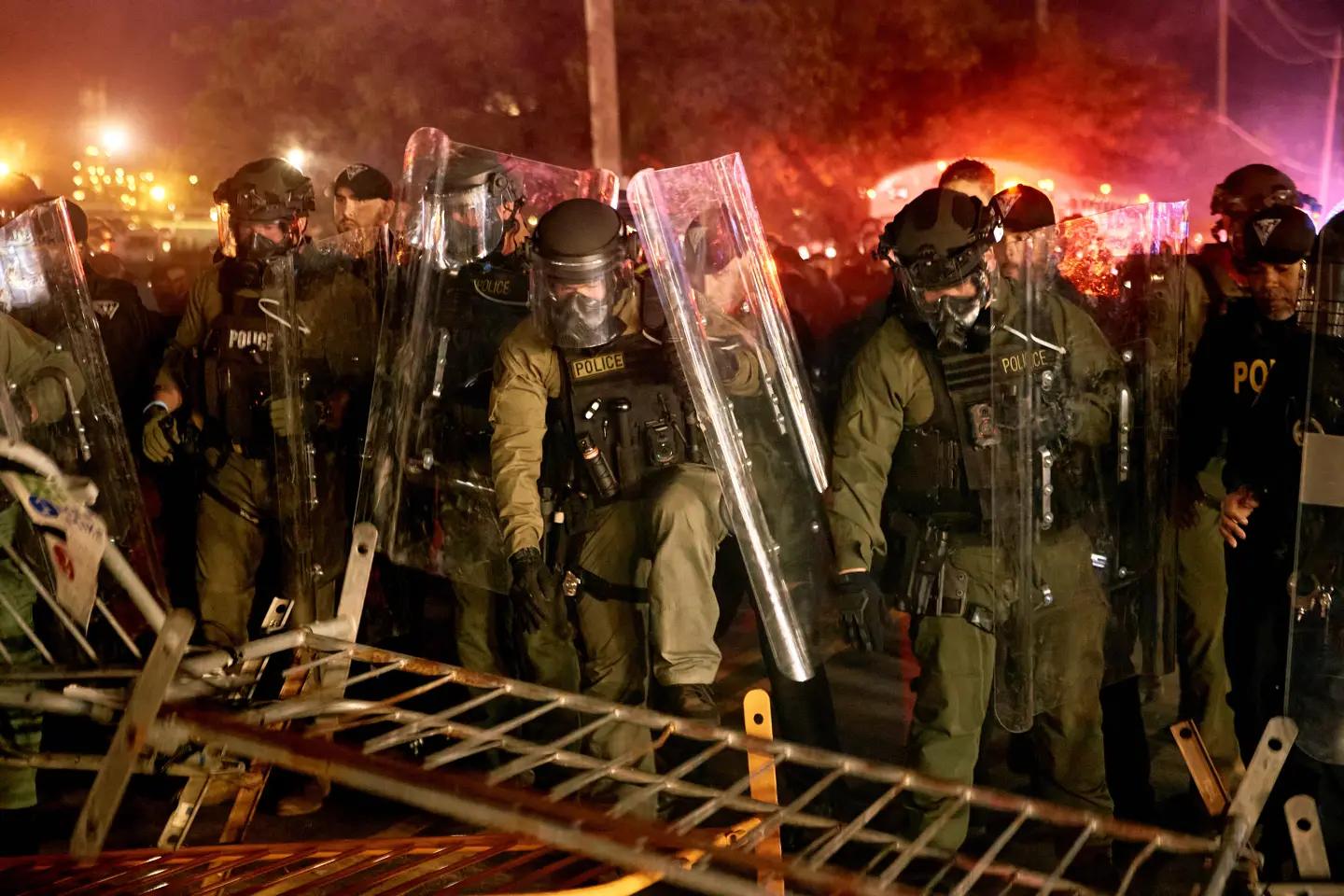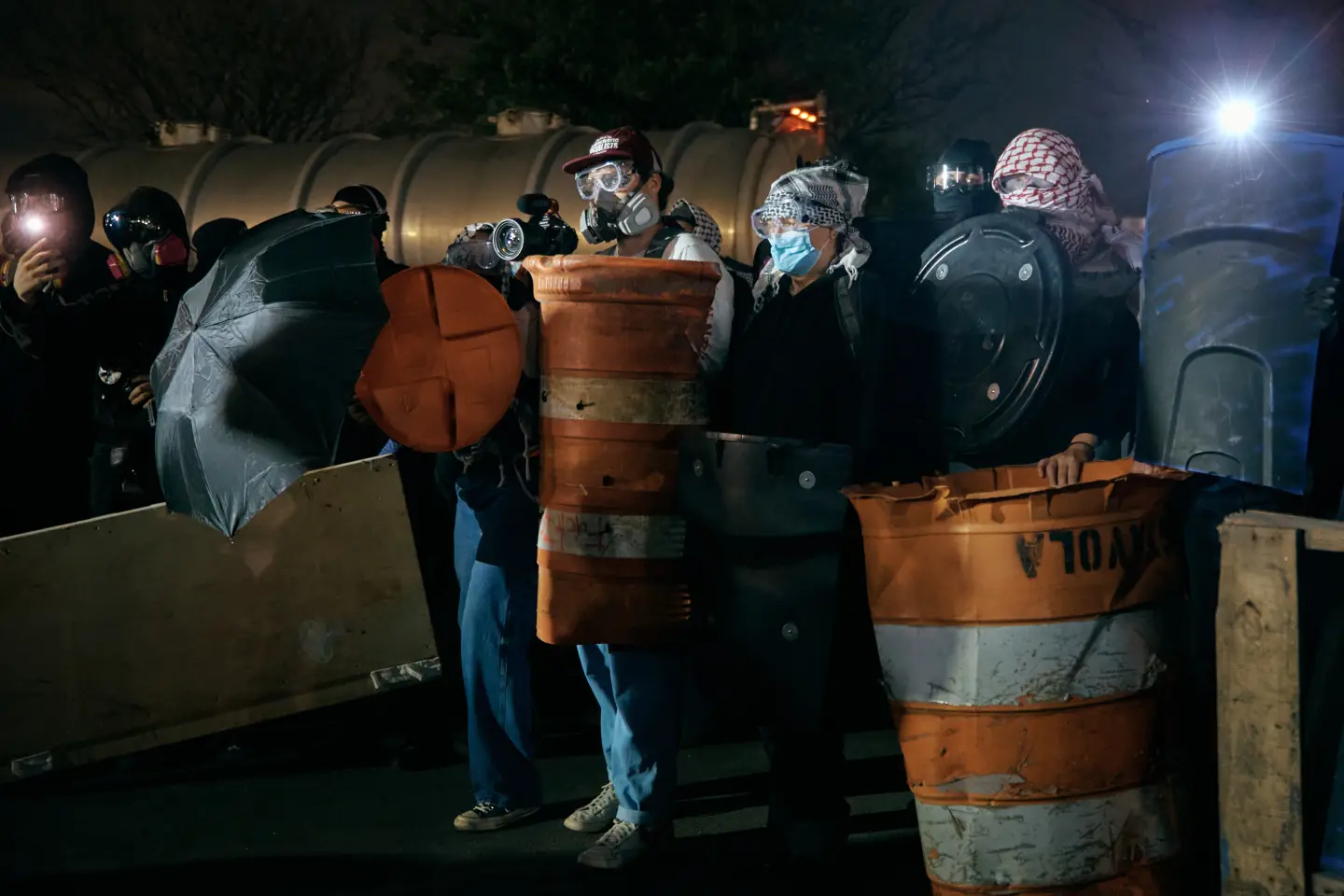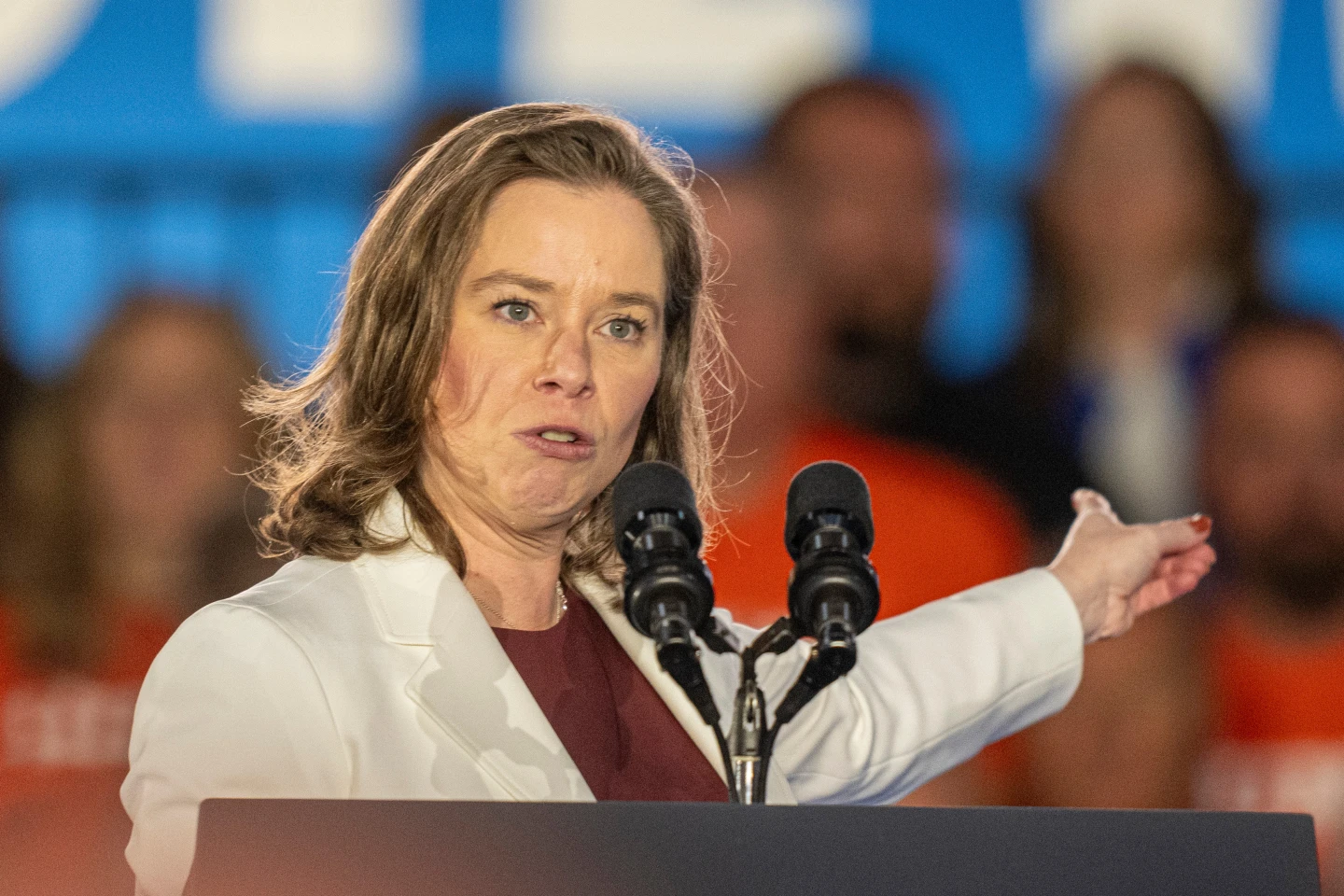
MADISON, Wis. (AP) — In a bold political move, Wisconsin's Democratic Lt. Governor Sara Rodriguez has proposed a ban on federal immigration enforcement actions at courthouses, schools, daycares, and other sensitive locations across the state. This proposal comes on the heels of a controversial shooting by an Immigration and Customs Enforcement officer in Minnesota, which has raised alarms and sparked protests nationwide, including in Wisconsin.
Rodriguez, who is running for governor this year with the incumbent Tony Evers not seeking a third term, stated that under her plan, enforcement actions would be prohibited unless they involve a judicial warrant or present an immediate threat to public safety. The proposal aims to protect individuals who fear deportation when accessing essential services.
However, Evers has expressed skepticism regarding the feasibility of such a ban, stating during a news briefing, I'm not sure we have the ability to do that, while also indicating concern about how such measures would be received by the current federal administration.
Banning things absolutely will ramp up the actions of our folks in Washington, D.C.,” he noted. “They don’t tend to approach those things appropriately.
Rodriguez's proposed legislation aligns with similar measures put forward in other Democratic states affected by heightened immigration enforcement pressures. Following the fatal incident in Minnesota, which resulted in widespread public outrage, Rodriguez advocated for clear accountability measures for ICE agents in Wisconsin, including the implementation of body cameras.
No one should be afraid to drop off their kids at school, seek medical care, go to court, or attend worship because enforcement actions are happening without clear rules or accountability, Rodriguez stated, emphasizing the need for safety and community trust in local institutions.
As the political landscape evolves in Wisconsin amidst imminent gubernatorial elections, the proposal to limit ICE actions reflects growing tensions around immigration policy in the U.S., specifically regarding policies pursued during the Trump administration, which continue to spark significant debate.