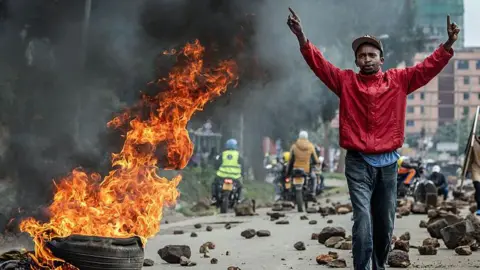
Bolivia's President Rodrigo Paz declared a state of emergency on Monday as weeks of protests threaten the nation’s stability. The move gives him power to clear roadblocks that have shut down the country’s transport network and jeopardised basic supplies. Congress must approve the decree within 72 hours, according to law.
Paz, who faces accusations that the unrest is a coordinated coup by left‑wing groups, said the crisis was a deliberate attempt to destabilise the country. He has promised to negotiate with unions after striking a deal with the Bolivian Workers’ Confederation, though many Indigenous activists will keep roadblocks active.
The unrest began in late April over a controversial land‑reform bill that centralised land‑ownership. Protesters have demanded the restoration of fuel subsidies, a rollback of austerity measures and the president’s resignation. Despite cabinet reshuffles and salary cuts, the protests remain intense.
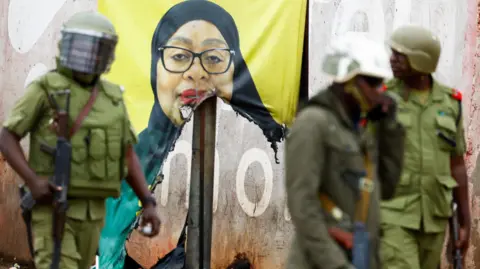
If Congress approves the emergency declaration, troops can be deployed to quell protests, a measure that passed last month and presages increased military involvement. The situation remains tense, with journalists reporting police and military presence in public squares.