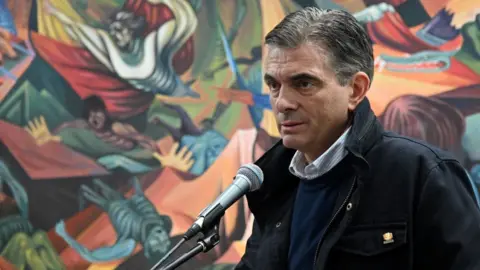
Bolivia’s President Rodrigo Paz declared a state of emergency on Saturday after weeks of nationwide protests demanding his resignation.
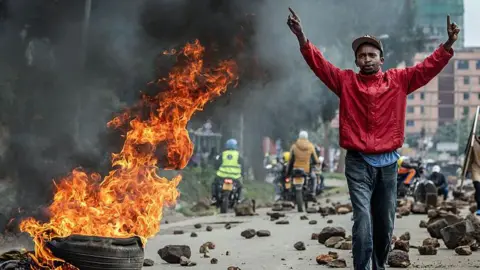
The decree empowers the president to clear road blocks set up by demonstrators, which have caused severe shortages of basic goods and halted commerce across large regions of the country.
In a statement, Paz said the emergency would "free the country’s roads" and restore normalcy, insisting the crisis was an orchestrated attempt to destabilise the nation.
Under Bolivia’s law, Congress must approve or reject the state of emergency within 72 hours of its declaration.
The road blockades, largely organised by miners, farmers and indigenous groups, began at the end of April after the president announced a land‑reform proposal that critics said favoured large landowners. Paz later scrapped the reform, but protests continued over cuts to long‑standing fuel subsidies and proposed constitutional changes.
The president has accused former left‑wing leader Evo Morales of orchestrating the protests, a claim that Morales has denied. Attempts to quell the unrest have included cabinet reshuffling, salary cuts for officials, and the creation of a council to negotiate with sectors feeling excluded under Paz’s government—though these measures have failed to subside the demonstrations.
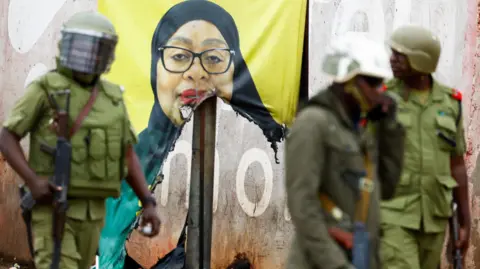
A deal had been struck with the Bolivian Workers’ Confederation, but some Indigenous groups said they would continue to protest, with roadblocks remaining in place. Police and military personnel were stationed in main squares on Saturday amid escalating tensions.
Last month, Congress passed a bill making it easier for the president to declare a state of emergency and deploy soldiers to quell protests. The current declaration follows that legal framework, underscoring the heightened volatility in Bolivia’s political landscape.