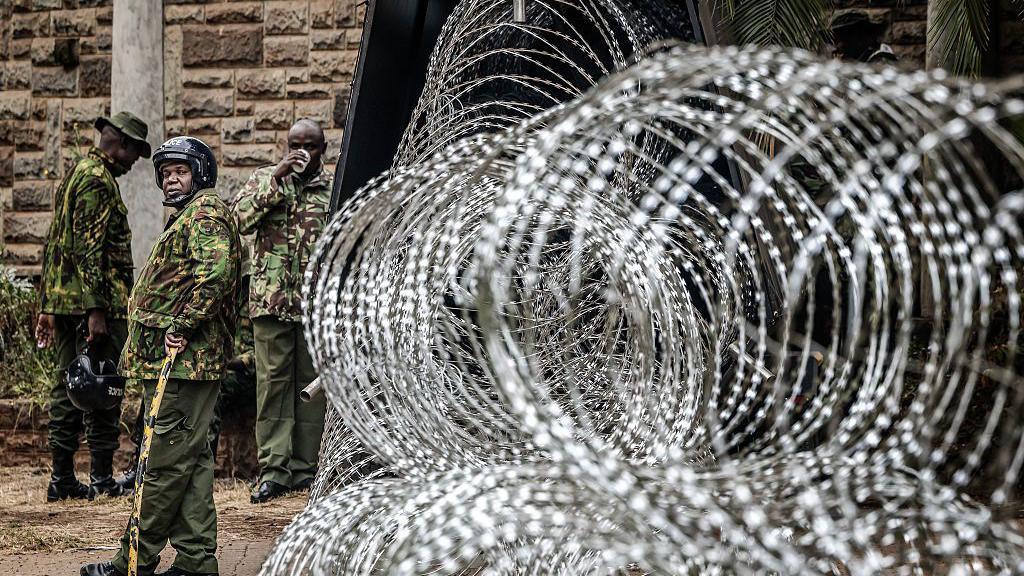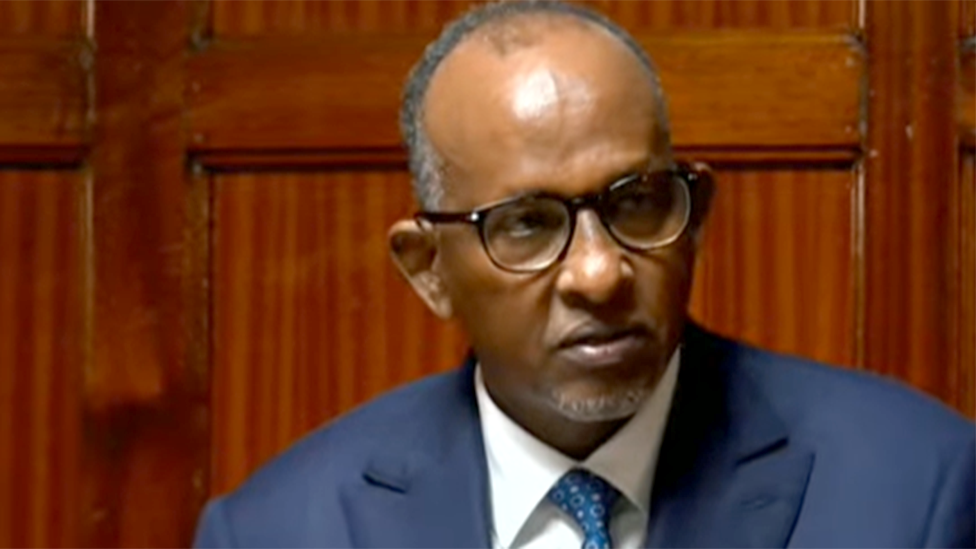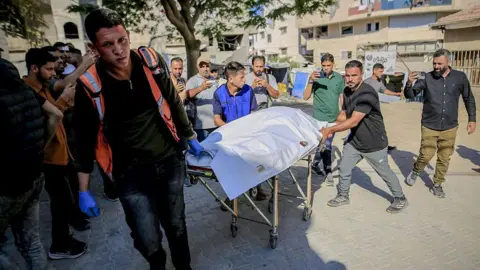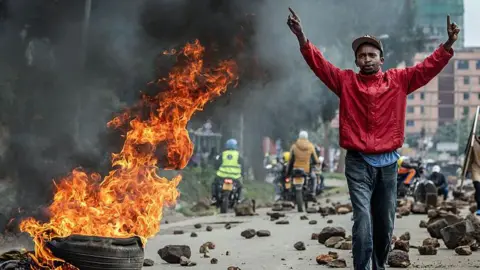
Four people have been killed and at least 30 injured in protests linked to Kenya's nationwide transport strikes against recent increases in the cost of fuel, according to the interior minister. Thousands of commuters were left stranded, with key roads in the capital Nairobi largely empty as some businesses remained shut and schools asked students to stay at home. Protesters have been blocking roads and erecting burning barricades. Interior Minister Kipchumba Murkomen added that 348 people had been arrested.
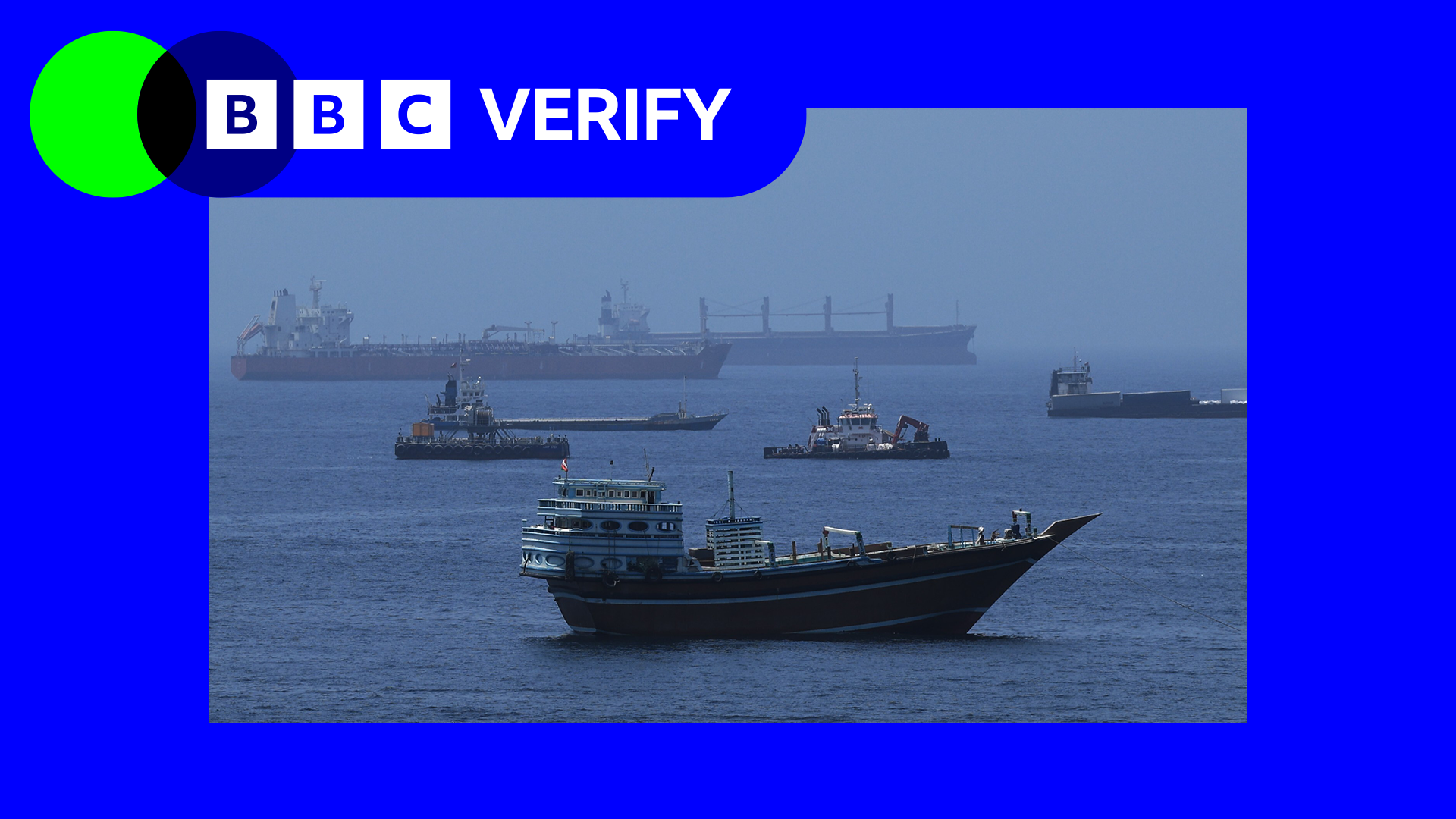
The strike comes days after the authorities raised petroleum prices to record levels, with costs increasing by more than 20%. Kenya, like many other African countries, relies heavily on fuel imports from the Gulf, a supply route disrupted by the US-Israel conflict with Iran that began on February 28. Even though a ceasefire has been declared, fuel prices have remained high as the Strait of Hormuz, where a fifth of the world's oil passes through, is still blocked.
Many passengers were stranded at bus stops in the capital in the morning. Others arriving from elsewhere to Nairobi could not get into the city.
There is no matatu anywhere... We used to pay 100 to 150 shillings, right now it's 300. Life is becoming so unbearable. So please, [President William] Ruto, wherever you are, if you can listen to us Kenyans, please lower those fuel prices, a resident of Kitengela on the outskirts of the city, who identified himself as Charles, told the Reuters news agency.
Abdi Suleiman, a motorist who operates in the south-eastern Kenyan border town of Taveta and sources food items from across the border in Tanzania, told the BBC that he was unable to supply them as usual since morning because of the strike.
In parts of Nairobi and elsewhere across the country, police used tear gas to disperse protesters who had blocked roads with burning tyres and barricades, amid reports they had been stopping and harassing motorists. Nairobi police commander Issa Mohamud said six police officers were injured in the clashes, and five police vehicles and one civilian vehicle were damaged.
The Transport Sector Alliance (TSA) stated that this action is not only for transport operators but for every Kenyan citizen, accusing the government of not doing enough to shield Kenyans from the rising fuel prices amid a broader high cost-of-living crisis. The TSA has called for the reversal of the price increases announced last week and for fuel prices to be reduced by about 35%. The situation remains tense as negotiations between the government and transport operators continue without resolution, raising fears that the strike could persist.
The strike comes days after the authorities raised petroleum prices to record levels, with costs increasing by more than 20%. Kenya, like many other African countries, relies heavily on fuel imports from the Gulf, a supply route disrupted by the US-Israel conflict with Iran that began on February 28. Even though a ceasefire has been declared, fuel prices have remained high as the Strait of Hormuz, where a fifth of the world's oil passes through, is still blocked.
Many passengers were stranded at bus stops in the capital in the morning. Others arriving from elsewhere to Nairobi could not get into the city.
There is no matatu anywhere... We used to pay 100 to 150 shillings, right now it's 300. Life is becoming so unbearable. So please, [President William] Ruto, wherever you are, if you can listen to us Kenyans, please lower those fuel prices, a resident of Kitengela on the outskirts of the city, who identified himself as Charles, told the Reuters news agency.
Abdi Suleiman, a motorist who operates in the south-eastern Kenyan border town of Taveta and sources food items from across the border in Tanzania, told the BBC that he was unable to supply them as usual since morning because of the strike.
In parts of Nairobi and elsewhere across the country, police used tear gas to disperse protesters who had blocked roads with burning tyres and barricades, amid reports they had been stopping and harassing motorists. Nairobi police commander Issa Mohamud said six police officers were injured in the clashes, and five police vehicles and one civilian vehicle were damaged.
The Transport Sector Alliance (TSA) stated that this action is not only for transport operators but for every Kenyan citizen, accusing the government of not doing enough to shield Kenyans from the rising fuel prices amid a broader high cost-of-living crisis. The TSA has called for the reversal of the price increases announced last week and for fuel prices to be reduced by about 35%. The situation remains tense as negotiations between the government and transport operators continue without resolution, raising fears that the strike could persist.