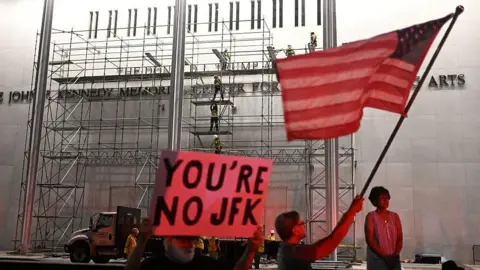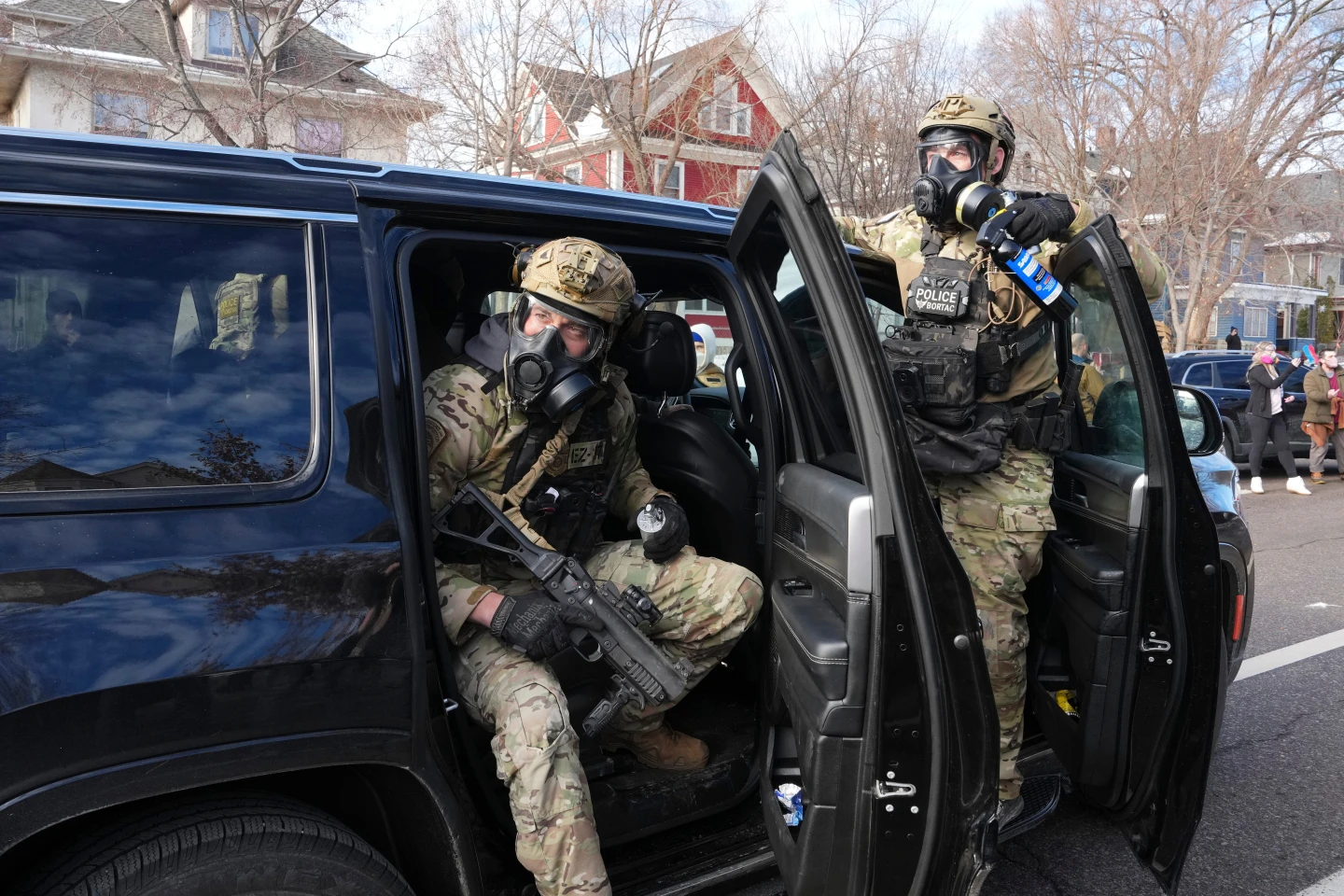
MINNEAPOLIS (AP) — Minnesota is reeling from days of protests targeting federal immigration agents, which peaked on Monday when authorities resorted to tear gas to disperse crowds protesting immigration interrogations. The demonstrations, ignited by the fatal shooting of 37-year-old Renee Good by an ICE officer, have called into question the methods employed by federal authorities in the state.
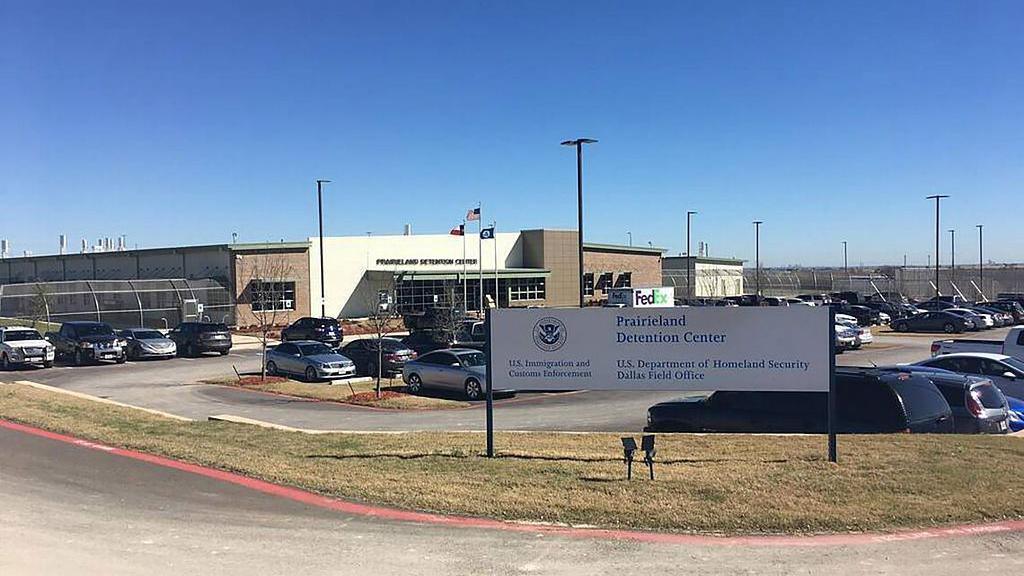
Protests erupted in various cities, most notably in Minneapolis and St. Cloud, where residents rallied against federal enforcement actions leading to increased arrests. The Department of Homeland Security announced a wave of over 2,000 immigration officers deployed to Minnesota, marking one of the largest enforcement operations in recent memory, prompting state and local leaders to file a lawsuit against the Trump administration.
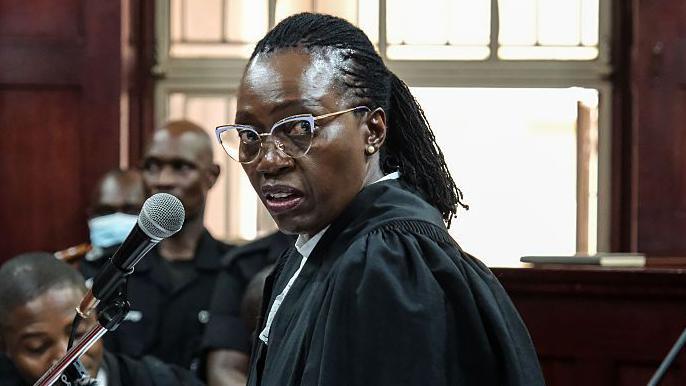
The legal challenge accuses federal authorities of violating First Amendment rights, claiming that the crackdown targets a progressive state that generally welcomes immigrants. This is, in essence, a federal invasion of the Twin Cities in Minnesota, and it must stop, stated Minnesota Attorney General Keith Ellison.
Homeland Security has refuted the lawsuit, claiming that the administration is fulfilling its duty to enforce the law for public safety, regardless of local political stances. Critics have expressed that these actions undermine trust within immigrant communities and instigate fear.
In light of Good's death, which ignited protests nationwide, the state’s leaders are advocating for restrictions on certain federal enforcement tactics, arguing that such practices have led to a chilling effect among residents. We are seeing a culture of fear, where residents hesitate to leave their homes, argued one local leader.
As protests continue, the calls for justice and systemic reform in immigration enforcement practices grow louder against the backdrop of evolving confrontations between protesters and federal agents.