In brief
Nearly 1,000 families affected by devastating wildfires in Maui are anxiously awaiting a decision on federal assistance that has provided housing support since the disaster. The Federal Emergency Management Agency (FEMA) faces pressure to either extend this crucial funding or see families forced into an already stressed rental market, exacerbating the post-fire housing crisis. With increasing rents and limited availability in the wake of the disaster, advocates warn of potential homelessness and significant challenges to recovery for residents looking to rebuild their lives.
Nearly 1,000 households displaced by the catastrophic wildfires in Maui are anxiously awaiting word on whether federal assistance helping them stay housed will be left to expire, forcing them to find new housing or pay more for it in one of the tightest and most expensive rental environments in the country.
For two and a half years, the Federal Emergency Management Agency (FEMA) has been key to assisting those residents. However, FEMA is set to choose in the coming weeks whether to end the funding.
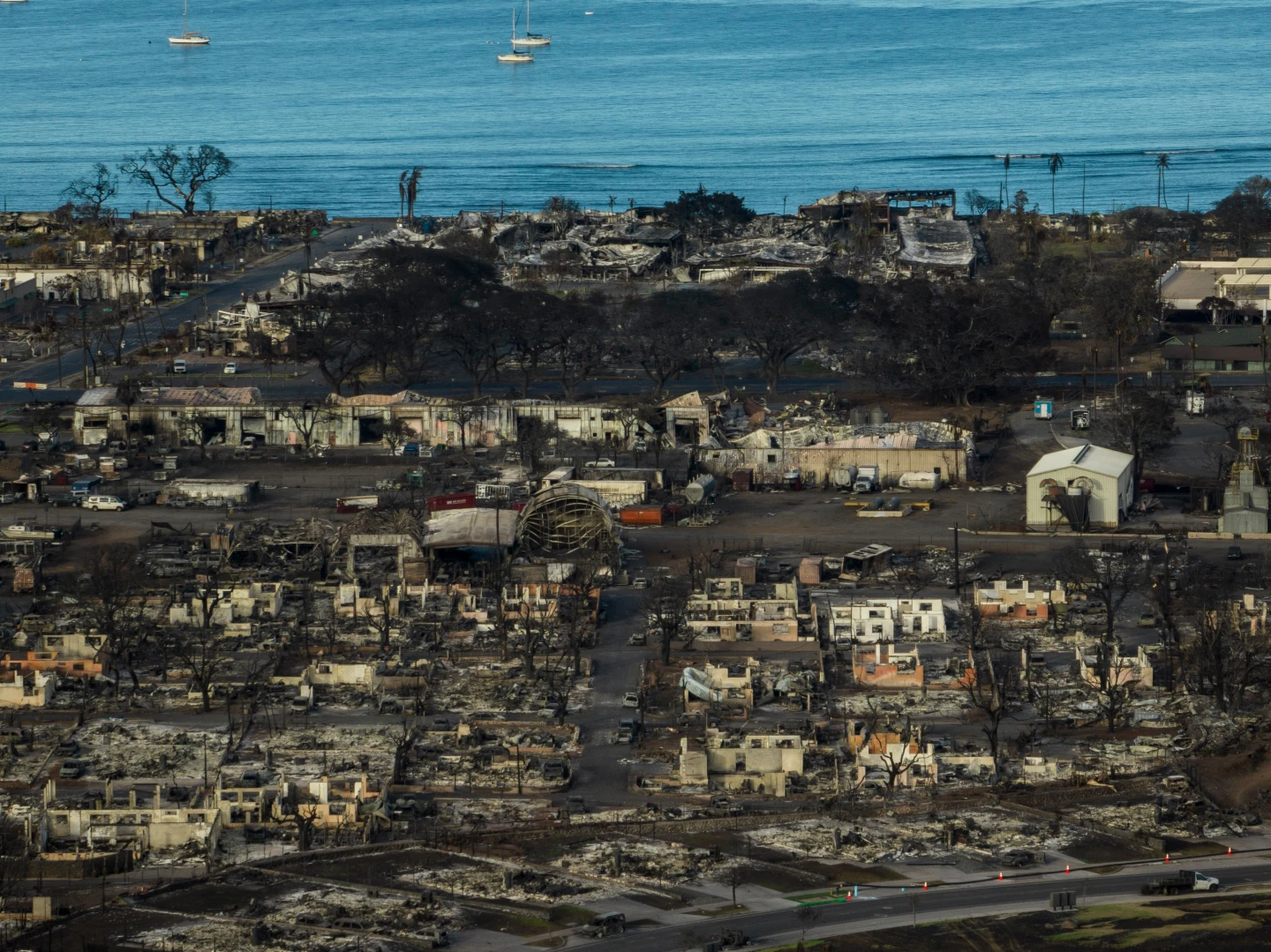
Advocates raise concerns that evicting renters and taking away financial assistance will undermine efforts to facilitate residents' return to Lahaina, the West Maui town largely razed by a massive fire on August 8, 2023.
Nicole Huguenin, executive director of Maui Rapid Response, expressed her apprehension by stating, “All of them entering into our already impacted rental market in February scares me a lot.”
The fires destroyed over 2,200 structures and resulted in 102 fatalities. After President Joe Biden declared a major disaster, FEMA assistance was deployed to help approximately 12,000 displaced individuals, most of whom were renters at the time.
Despite these efforts, rental inventory is nearing zero, and the anticipated deadline for decisions regarding assistance looms large for those affected. The state of Hawaii has requested an extension for assistance, and advocates remain hopeful for a favorable outcome.
“If the program expires, all housing-related financial assistance to fire survivors would cease,” mentioned FEMA's warning notice, leaving hundreds without help as they transition to a fraught housing market.
The Maui rental vacancy rate is under 2%, which means that displaced residents may face considerable rent hikes of 50-60%, with prices nearly doubling since the fires.
As recovery efforts progress, with several construction projects underway, hopes remain mixed amid fears of homelessness and a fragile housing situation.