The Houthis held their fire for the first four weeks of the conflict, despite their affiliation with and backing from Iran. Now, the movement, which controls the Yemeni capital, Sanaa, has taken aggressive steps by firing missiles towards Israel, claiming they were targeting 'sensitive Israeli military sites'. While their threat to Israel is limited compared to that of Iran, Houthis have engaged in assaults in support of Hamas since the outbreak of conflict following the Hamas-led attacks on Israel on October 7, 2023. Previously, these assaults caused minimal damage to Israel but represented a broader strategy of defiance.
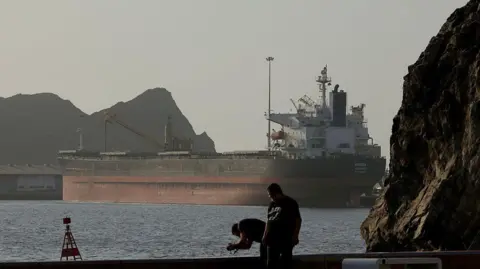
However, the greater danger arises in the Red Sea, particularly the Bab al-Mandab strait, where Houthi actions have endangered this crucial commercial maritime route. Should they escalate these actions further, it could deliver a serious blow to the global economy, particularly when combined with Iran's near-closure of the Strait of Hormuz. This could place two of the world's key strategic waterways at severe risk of interruption.
Moreover, the Houthis may target energy and military infrastructures in Gulf Arab states, such as Saudi Arabia and the UAE, similar to past incursions. Previous actions by the Houthis drew intense airstrikes from the US and Israel aimed at degrading their military capabilities, but they have shown resilience. The questions loom: how far will the Houthis escalate, and what impact might this have on Yemen's relative calm? Increased aggression could risk reigniting Yemen's internal conflict amidst the broader spectrum of regional and global tensions. Continued Houthi attacks would signal a new escalation in the already volatile conflict landscape.
However, the greater danger arises in the Red Sea, particularly the Bab al-Mandab strait, where Houthi actions have endangered this crucial commercial maritime route. Should they escalate these actions further, it could deliver a serious blow to the global economy, particularly when combined with Iran's near-closure of the Strait of Hormuz. This could place two of the world's key strategic waterways at severe risk of interruption.
Moreover, the Houthis may target energy and military infrastructures in Gulf Arab states, such as Saudi Arabia and the UAE, similar to past incursions. Previous actions by the Houthis drew intense airstrikes from the US and Israel aimed at degrading their military capabilities, but they have shown resilience. The questions loom: how far will the Houthis escalate, and what impact might this have on Yemen's relative calm? Increased aggression could risk reigniting Yemen's internal conflict amidst the broader spectrum of regional and global tensions. Continued Houthi attacks would signal a new escalation in the already volatile conflict landscape.