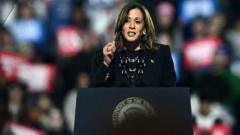
Kamala Harris’s recent campaign for the presidency ended in disappointment, as the Democrat faced a decisive defeat to Republican nominee Donald Trump. Key issues such as economic anxiety and a perceived lack of innovative proposals contributed to her unsuccessful run. Just weeks before the election, Harris appeared on ABC’s The View, intending to highlight her vision but was quickly sidelined by a troubling response when asked how she would differ from the incumbent President Joe Biden. Her answer, "Not a thing comes to mind," rapidly became fodder for Republican attack ads, capturing the essence of the challenges that plagued her campaign.
On Wednesday afternoon, Harris publicly conceded, appealing to her supporters not to lose hope. Yet, the ramifications of her loss prompted internal reflections within the Democratic Party regarding the future direction of the party and Harris's candidacy. Many aides expressed shock over the outcome, revealing that they had anticipated a closer contest. Campaign manager Jen O'Malley Dillon shared that "losing is unfathomably painful," emphasizing the time it would take to fully process the defeat.
Despite ambitions of seizing Biden’s backing and achieving a "new generation of leadership," Harris struggled to detach her image from that of an unpopular president. With Biden facing low approval ratings and widespread concerns about the country's direction, voters were unresponsive to her calls for economic reform and women’s rights. Her coalition hopes to unite essential Democratic demographics — such as Black, Latino, and young voters — fell short. Exit polls indicated a worrying trend, showing Harris lost ground among Latino voters by 13 points and saw reduced support from both Black voters and younger individuals.
Some party allies privately suggested that Harris's unwavering loyalty to Biden might have hampered her appeal. However, maintaining the status quo may have seemed tactically advantageous amidst fears of appearing disloyal. Harris faced a unique struggle in promoting her own policy agenda while seeking to address her boss's administration record, but failed to articulate a compelling vision for her presidency.
Voter sentiment underscored the economic frustration felt across the electorate, with concerns about rising grocery prices and immigration policies remaining pivotal. Although Harris's campaign prioritized the defense of reproductive rights, which had been a rallying point for many, the expected surge in support did not materialize to the magnitude she had hoped. The anticipated coalition she required to triumph against Trump ultimately did not come to fruition.
In an attempt to pivot her focus on Trump rather than herself, Harris’s strategy evolved into framing the election as a critique of the former president rather than a showcase of her policies and plans. Pollster Frank Luntz emphasized the campaign's flawed tactic, noting that voters are already familiar with Trump's narrative and were yearning for clarity on Harris's own proposals.
Ultimately, the electoral defeat of Harris signals a broader issue within the Democratic Party, revealing the depths of dissatisfaction among voters and the need for a significant shift in strategy moving forward. As the nation reflects on the implications of this election, the search for solutions to re-engage disenchanted voters grows more critical.