Public Outcry Over Fedorov’s Exit
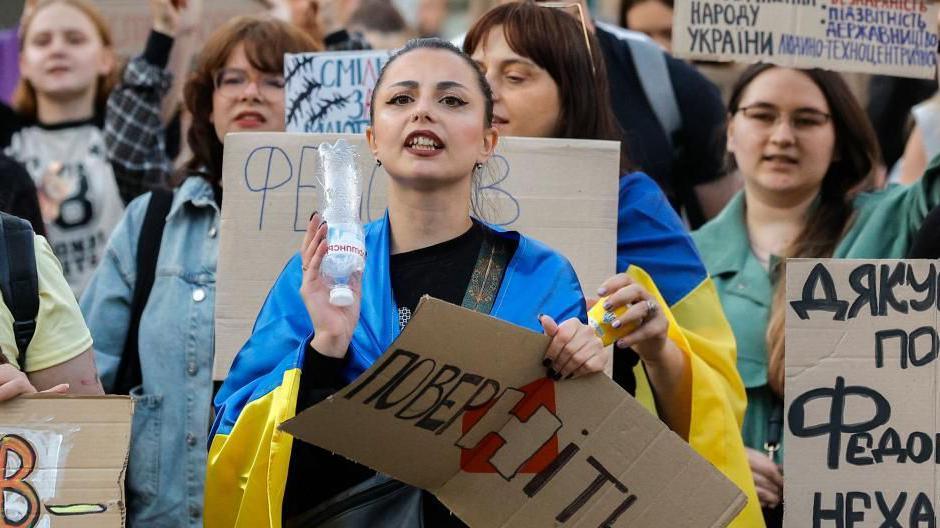
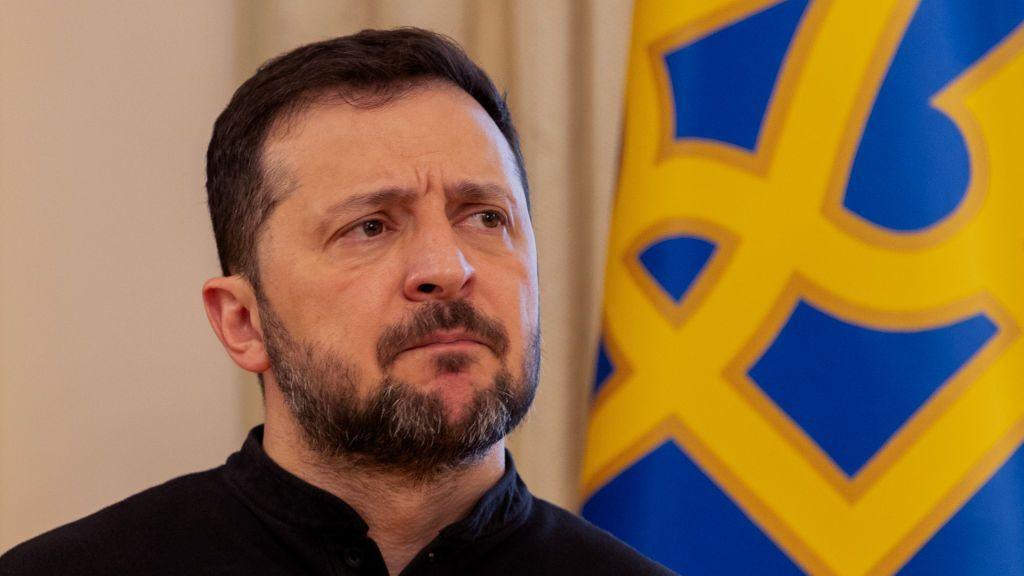
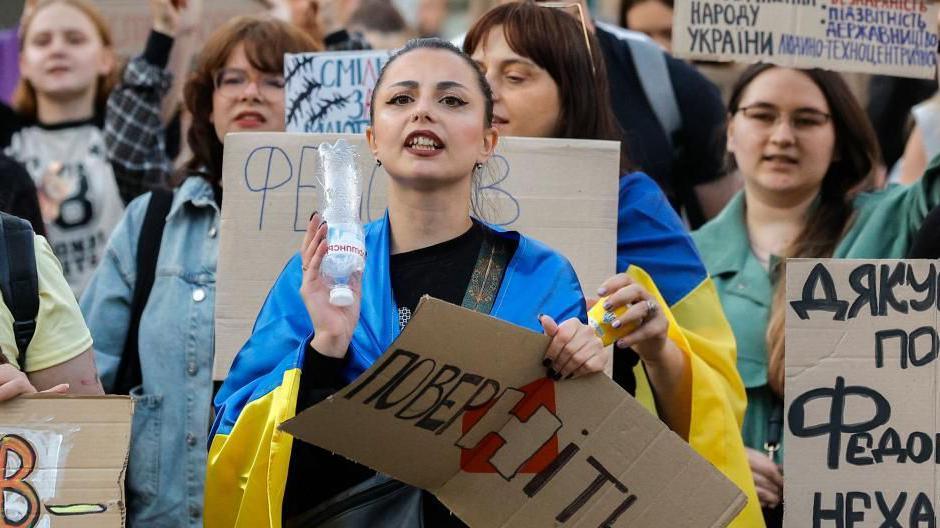
Ukraine’s president, Volodymyr Zelensky, made a controversial cabinet reshuffle on 15 July, opting not to re‑appoint Defence Minister Mykhailo Fedorov. The decision sparked daily protests in Kyiv and other Ukrainian cities, with agitators demanding his reinstatement.
Fedorov, a young and popular figure credited with fueling Ukraine’s tech‑driven defence innovation, rejects alternative roles offered by the president. He says only the positions of minister of defence, commander‑in‑chief, or president can truly steer the war effort.
Strategic Move Under Fire
The new commander, Major General Mykhailo Drapatyi, is lauded for his modern warfare expertise and battlefield record. Analysts say his appointment is "well informed" and may lift Ukraine’s defensive readiness. Yet the shift is seen as only a partial solution to the broader political fallout caused by Fedorov’s removal.
Political Aftermath
Opposition MPs argue that the dismissal of Fedorov has backfired, inflating his popularity. One MP, who wished to remain unnamed, criticised the public’s simplistic preference for drones over traditional troop mobilization.
Few doubt Fedorov’s commitment and vision; without his structural reforms the defence ministry’s win‑rate remains unchanged, a former European defence official noted.
Zelensky stated that Ukraine must prepare for a solid winter defence and the next assault on its energy grid. The military’s frontline has remained largely stationary thanks to a kill zone monitored by drone and missile systems.
Political analysts agree that, while the cabinet shake‑up has not materially harmed Ukraine on the battlefield, it does diminish the president’s authority in the eyes of the public. The conflict will continue, but the political climate within Kyiv remains unsettled.