In brief
In a landmark Thursday deal, the United States secured a 100‑year lease over 17 Venezuelan oilfields, amounting to 65 billion barrels—over one‑fifth of the country's proven reserves. President Donald Trump dubbed the pact the largest oil deal worldwide, while interim President Delcy Rodríguez hailed it as historic, promising substantial investment and tax revenues. Yet Venezuelan opposition and former US officials decry the accord as a forced hand‑shake with a regime accused of corruption, and warn of potential colonial exploitation and mismanagement. Energy experts caution that production realities mean profitability could take a decade, raising concerns over the feasibility of the promised gains. The agreement signals a strategic pivot away from Middle East oil but also intensifies domestic political tensions within Venezuela, with socialists labeling it a capitulation and opponents demanding democratic restoration.
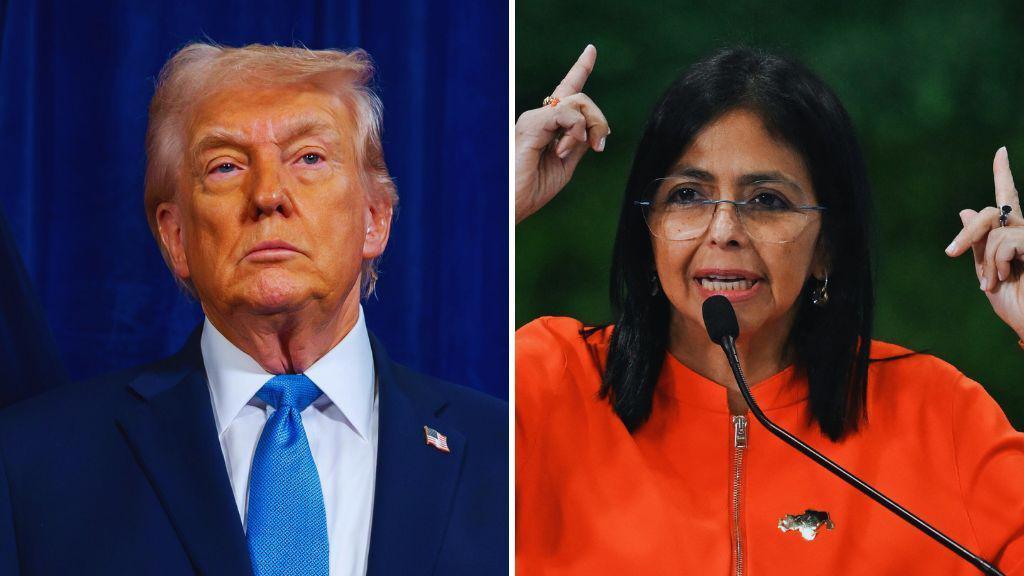
In a high‑profile Thursday signing in Caracas, the United States secured a 100‑year concession over 17 Venezuelan oilfields, totaling 65 billion barrels—more than one‑fifth of the country’s proven reserves. The deal was presented by United‑States President Donald Trump and Venezuelan interim President Delcy Rodríguez as a historic triumph for both sides.
Deal Highlights
- U.S.-led company gains exclusive rights to 65 billion barrels of Venezuelan crude.
- U.S. government retains veto power over board appointments, requiring a majority of U.S. citizens on the new board.
- Projected $100 bn investment and $200 bn in tax revenue, promised by Rodríguez.
Trump called the negotiation “the biggest oil deal in world history”, while Rodríguez called it “historic” and emphasized expected economic benefits for both nations.
Critics and Controversy
Elliott Abrams, former U.S. special representative on Venezuela, described the agreement as a “terrible deal” that handed over 20% of the nation's patrimony for “nothing”. He warned the terms were “colonial in nature”.
Energy analysts note the Venezuelan oil sector’s dire state; some estimate it may take a decade for the deal to yield profitability, contrary to Trump’s 2‑3 year projection.
Luis Pacheco of the Baker Institute at Rice University stresses the need for $100 bn investment over eight years to restore production to 30‑year levels, questioning who will manage the proceeds.
Political Fallout in Venezuela
The opposition accuses Rodríguez of entrenching a regime tied to Nicolás Maduro, while socialists accuse the agreement of opening a “new colonialism” of the United States. Maria Corina Machado, Nobel laureate and presidential hopeful, bets her political prospects on Trump’s support but faces backlash from critics like economist Ricardo Hausmann, who urged the U.S. to restore democratic order instead of endorsing a “seized asset” pact.
The U.S. asserts the partnership marks a shift “away from the choke points in the Middle East” towards the Western Hemisphere, echoing the 18th‑century Monroe Doctrine. Yet the lack of an imminent democratic election continues to strike Venezuelan opposition and detractors alike, who see the deal not just as economic but as a geopolitical power play that undermines sovereignty and invites further foreign influence.