Zhu Rongji, a former Chinese premier who played a central role in opening China’s markets to global trade, has died at the age of 97. His tenure from 1998 to 2003 saw China secure membership in the World Trade Organization, bringing Chinese manufacturing into the international marketplace and attracting foreign capital. Zhu was a decisive reformer who shifted tax authority to the central government, closed or privatized failing state enterprises, and encouraged home ownership. He was also renowned for his candid criticism of corruption, the widening gap between the wealthy and the poor, and local officials who behaved like tyrants. Under his leadership the nation grew at double‑digit rates, but the rapid expansion also led to mass layoffs of about 30 million people over five years and increased inequality. State media described his legacy as one of revolution, struggle, and brilliance. Born in Hunan in 1928 with an electrical engineering degree, he joined the Communist Party in 1949, faced purges twice for his outspoken views, and returned to prominence after Mao’s death, eventually becoming vice‑premier in 1991 and premier in 1998. His death is mourned by many who recall the robust reforms that helped propel China onto the world stage. 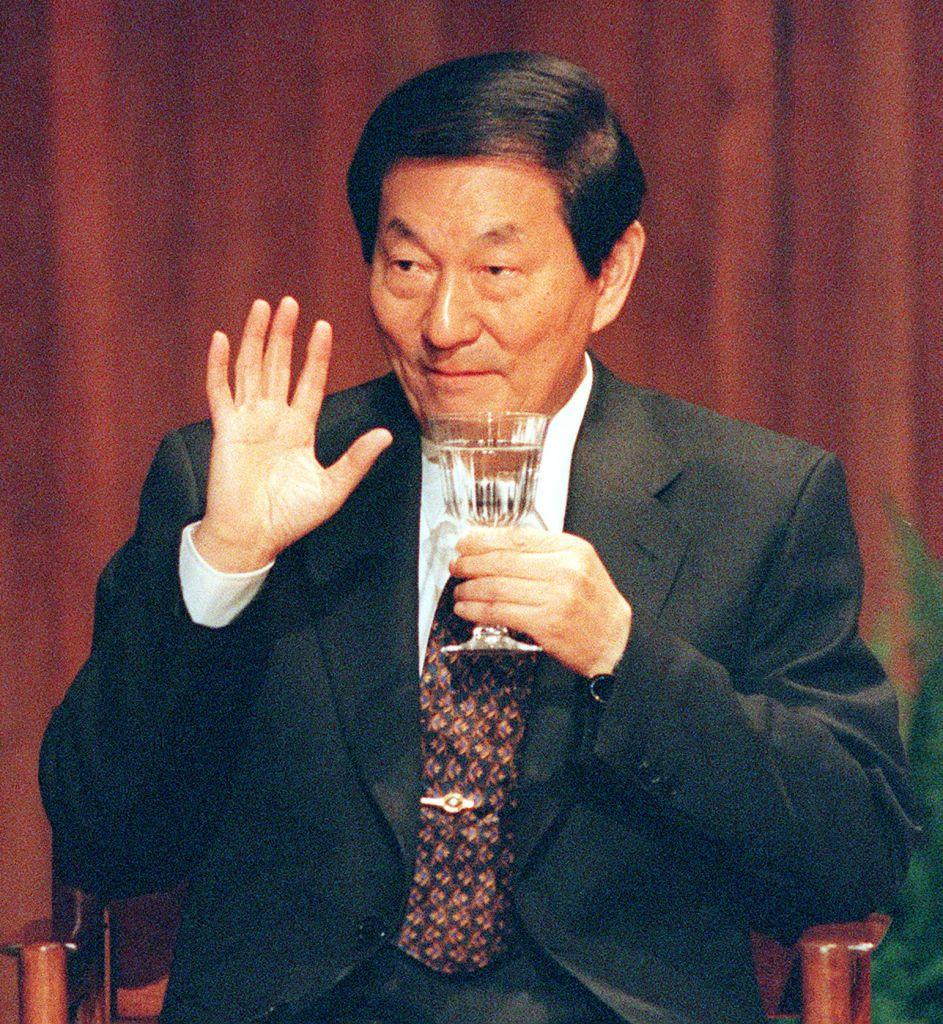
Zhu Rongji, Chinese Premier Who Launched Global Trade, Dies at 97
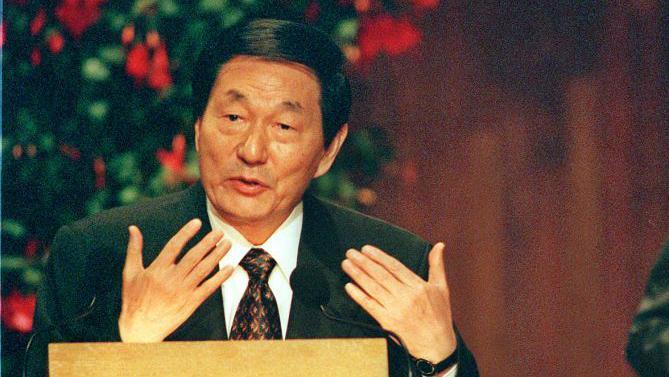
Zhu Rongji, Chinese Premier Who Launched Global Trade, Dies at 97
Former premier Zhu Rongji, key architect of China’s WTO entry and rapid growth era, passes away at 97.
Zhu Rongji’s death marks the end of an era for China’s rapid transformation into a global trading power. From 1998 to 2003 he guided the country’s entry into the World Trade Organization and pushed through reforms that opened up its markets and attracted foreign investment. Known for his pragmatic style and willingness to confront corruption, his policies also sparked job losses and deepened inequality. Despite criticism, state media celebrated him as a loyal party leader whose life spanned revolution, struggle and brilliance.