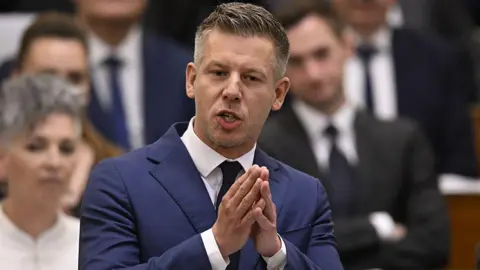
All they stand for is anger, hatred, and destruction, roared a hoarse Viktor Orban during a recent campaign rally. The Hungarian Prime Minister, who has ruled for 16 years, is currently fighting against a surge in popularity for the opposition Tisza party led by Peter Magyar, as public sentiment shifts in favor of change. With polls indicating the Tisza party leading by 58% to 35%, Orban is ramping up his campaign efforts, revisiting the road after years of relative political calm.
As Orban seeks to mobilize his supporters and secure votes ahead of the April 12 parliamentary election, allegations of corruption and voter intimidation cloud his campaign. The Tisza challenge, which portrays the ruling Fidesz party as part of a corrupt elite, resonates particularly with younger voters who have already begun viewing Fidesz as the 'establishment.'
Orban, known for his connections with nationalist leaders like Donald Trump and Vladimir Putin, faces foreign scrutiny as well. His staunch opposition to Ukraine's stance adds infamy to his domestic reputation. The outcomes of this election could profoundly impact Hungary's direction,
Moreover, the election will reflect on broader European populism movements, with potential repercussions extending beyond Hungary. If Orban loses, it could reinvigorate opposition movements across European nations experiencing similar public discontent.
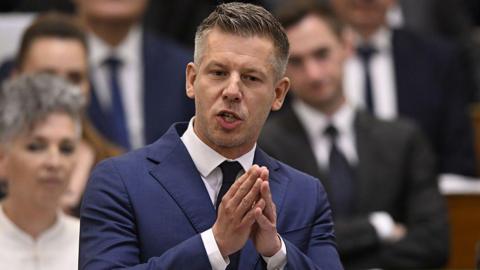
In this challenging climate, Peter Magyar, once an insider in Orban's circle, has emerged as a formidable opponent. He focuses on domestic issues like healthcare and transportation, while Orban predominantly appeals to nationalism and foreign policy.
As the final days approach, the election's whispers of change echo loudly across Hungary, marking a potential turning point for Orban's long-standing hold on power.
As Orban seeks to mobilize his supporters and secure votes ahead of the April 12 parliamentary election, allegations of corruption and voter intimidation cloud his campaign. The Tisza challenge, which portrays the ruling Fidesz party as part of a corrupt elite, resonates particularly with younger voters who have already begun viewing Fidesz as the 'establishment.'
Orban, known for his connections with nationalist leaders like Donald Trump and Vladimir Putin, faces foreign scrutiny as well. His staunch opposition to Ukraine's stance adds infamy to his domestic reputation. The outcomes of this election could profoundly impact Hungary's direction,
Moreover, the election will reflect on broader European populism movements, with potential repercussions extending beyond Hungary. If Orban loses, it could reinvigorate opposition movements across European nations experiencing similar public discontent.
In this challenging climate, Peter Magyar, once an insider in Orban's circle, has emerged as a formidable opponent. He focuses on domestic issues like healthcare and transportation, while Orban predominantly appeals to nationalism and foreign policy.
As the final days approach, the election's whispers of change echo loudly across Hungary, marking a potential turning point for Orban's long-standing hold on power.