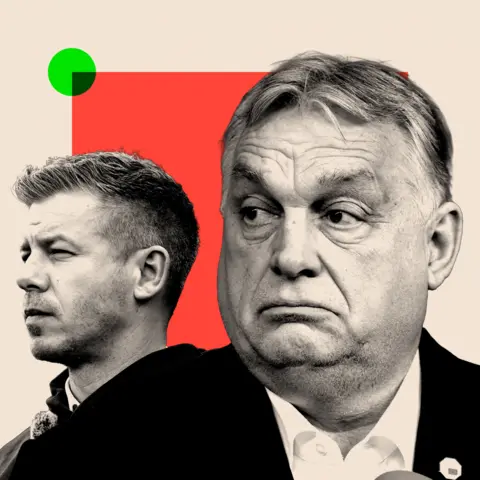
All they stand for is anger, hatred, and destruction, roared a hoarse Viktor Orban during a recent election rally in Györ, addressing the opposition activists who interrupted him. This outburst revealed the pressure mounting on Hungary's long-serving prime minister as he campaigns ahead of the crucial parliamentary elections set for April 12.
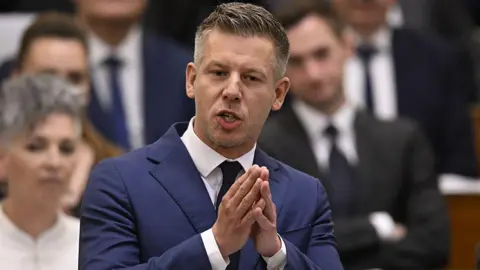
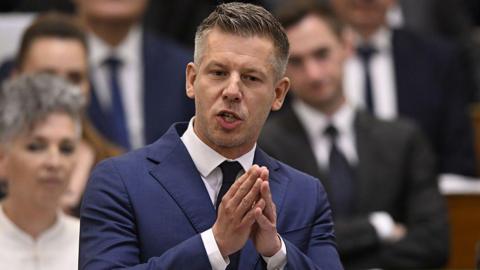
Opinion polls indicate a concerning trend for Orban's Fidesz party, with the opposition Tisza party and its leader Peter Magyar now favored by a significant margin — 58% to Fidesz's 35%. After years of dominance, Orban is frantically trying to rally support, having abandoned his previous low-key campaign style. As Europe’s longest-serving leader, he now finds himself at a crossroads.
Orban, who has fostered relationships with influential leaders like Donald Trump and Vladimir Putin, has become a contentious figure within the EU, especially as he stands against support for Ukraine amidst the ongoing war. His government's grip on power is being threatened as voters, particularly the youth, perceive Fidesz as part of a corrupt elite.
Public opinion has notably shifted, with recent research indicating a stark turnaround in electoral sentiment. A prevailing narrative suggests that the Hungarian populace is ready for change, as many young voters who once supported Fidesz are now gravitating towards Magyar’s message of reform.
Amid allegations of corruption against his government, including nepotism and misuse of state resources, Orban insists that he embodies stability against a backdrop of EU interference and chaos driven by the war in Ukraine. This election is about choosing stability over the warmongers who would drag Hungary into conflict, he claims.
However, Orban’s narrative appears to be losing traction; polls suggest that public trust in the current administration is eroding. As campaign dynamics evolve, Magyar’s ability to connect with rural voters and address everyday issues becomes crucial. He has been actively engaging with voters in small towns, positioning himself as a more relatable figure against Orban's established leadership.
The upcoming election presents not just a pivotal moment for Hungarian politics, but a broader reflection on nationalist movements across Europe. The results on April 12 could reshape the future of Hungary, determining if Orban can maintain his hold or whether newfound opposition strength heralds a significant political shift.