In brief
The US Air Force's Pararescue teams play a crucial role in combat rescues, especially highlighted by recent reports of a pilot's recovery from Iran. This article delves into the complexities of these missions, the training and dedication of personnel, and the historical significance of combat search-and-rescue operations.
Recent reports indicate that a US F-15 fighter pilot downed over Iran was rescued, marking a significant operation in the long history of US combat search-and-rescue missions. As search efforts continue for a second crew member in Iran, the complexities of military rescue operations come to the forefront.
Combat search and rescue (CSAR) missions are among the most challenging and time-sensitive operations that US and allied forces prepare for. Elite units in the US Air Force are specially trained for these missions and are often stationed near potential conflict zones.
What is Combat Search and Rescue?
CSAR missions are designed to locate, aid, and rescue personnel, such as downed pilots or isolated troops, in hostile environments. Unlike conventional search and rescue efforts, CSAR relies on rapid response in active conflict zones, where enemies may also be searching for the same personnel.
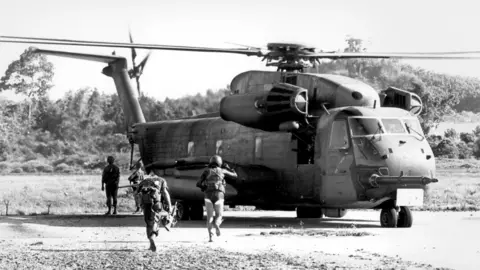
The operations are often carried out using helicopters, supported by refueling aircraft and other military resources, to ensure swift action. Verified footage from Iran recently depicted US military helicopters and refueling aircraft actively engaged in rescue operations.
Historical Context
The origins of airborne rescue missions can be traced back to World War I, evolving significantly over decades. The US military's Pararescue units were formalized during WWII, and the Vietnam War expanded the complexity and scope of CSAR missions.
US Air Force's Pararescue Teams
The Pararescue teams are tasked primarily with rescuing downed military personnel, and their motto, 'These Things We Do, That Others May Live', embodies their commitment to ensuring that no soldier is left behind. They undergo rigorous training, renowned as one of the toughest in the military, geared towards both combat and medical emergency response.
As CSAR missions remain critical, especially highlighted in recent conflicts, the dedicated work of these elite units showcases their vital role within the broader mission of the US Armed Forces.