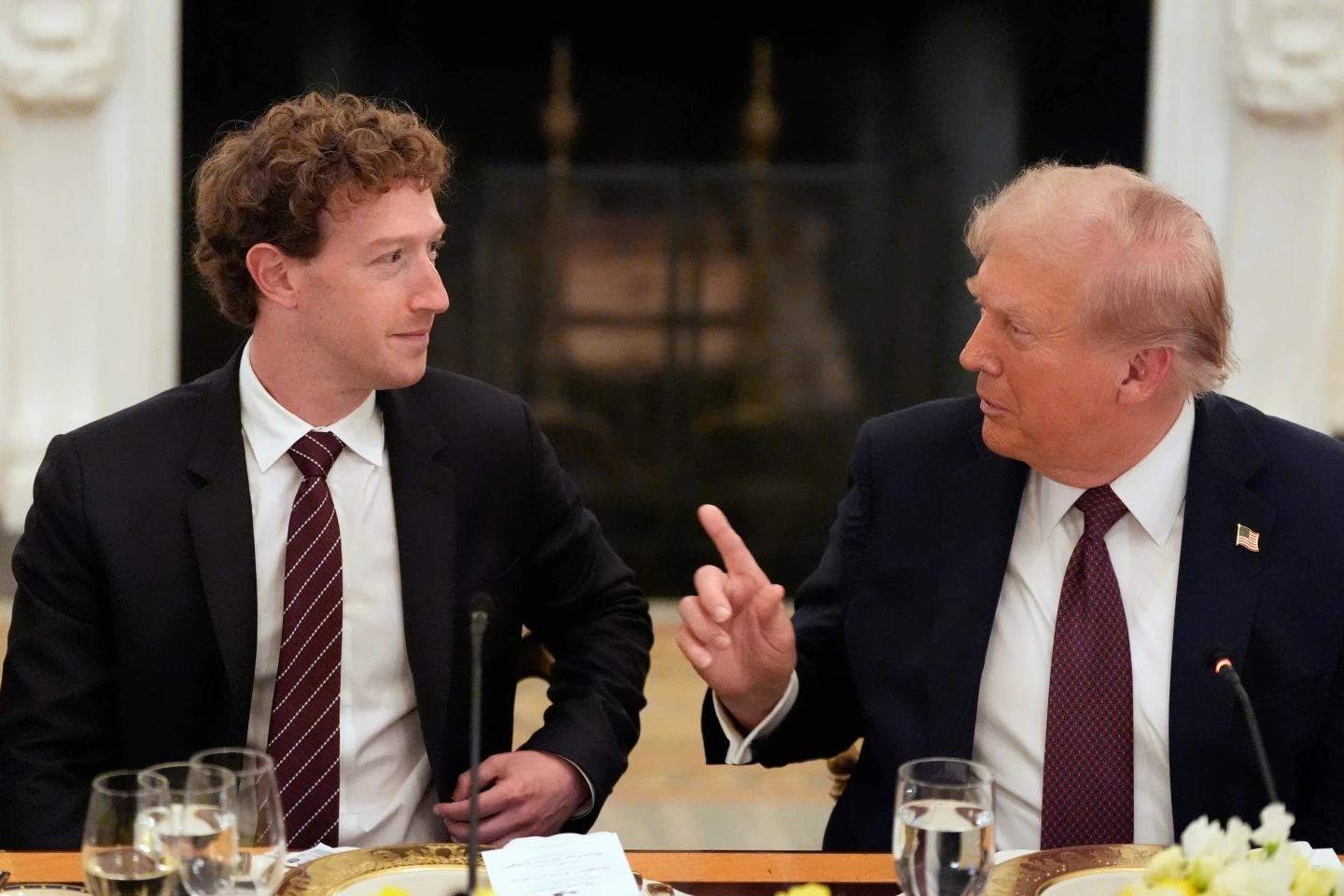
As President Trump embarks on a critical address at the World Economic Forum in Davos, Switzerland, his focus on making housing more affordable raises eyebrows due to the luxurious surroundings, where ski lodges sell for an astonishing $4.4 million. This choice of venue is emblematic of a broader sentiment regarding Trump's connection with the average American amidst rising living costs.
This midterm election year marks the anniversary of Trump's inauguration, yet instead of interacting with struggling families, he’ll rub elbows with billionaires, far from the realities of his working-class base. Critics, like Alex Jacquez from the Groundwork Collaborative, stress that Trump's attention appears directed at wealthy investors rather than the concerns of everyday Americans.
Despite his campaign promise to reduce the cost of living, Trump's priorities in office have leaned more towards international conflicts and high-stakes deals, straying from the affordability issues he now seeks to champion. With polls indicating that 60% of U.S. adults believe Trump has worsened cost-of-living issues, the reception of his housing proposals remains uncertain.
Trump’s attempts to court billionaires for investment commitments as a means to stimulate job growth have been met with skepticism. Voter sentiment increasingly leans towards the notion that many of Trump's policies favor the wealthy elite rather than addressing the essential needs of the working class.
Furthermore, Trump's proposals to tackle rising housing costs—like reducing interest rates and restricting large companies from purchasing homes—may not adequately address systemic challenges in the housing market. As Trump's policies have led to a considerable wealth gap, it's evident that engaging the affluent does not equate to effective solutions for those grappling with economic challenges.
Thus, as the president prepares to deliver his address in Davos, the dichotomy between his proclaimed intentions and the reality of his surroundings could define his narrative in the eyes of voters disillusioned by his administration's economic outcomes.