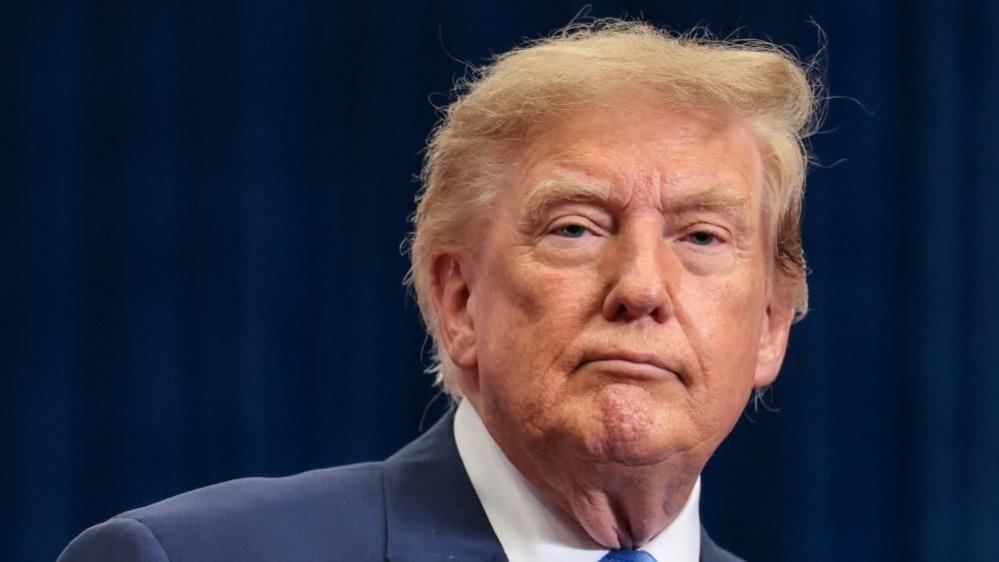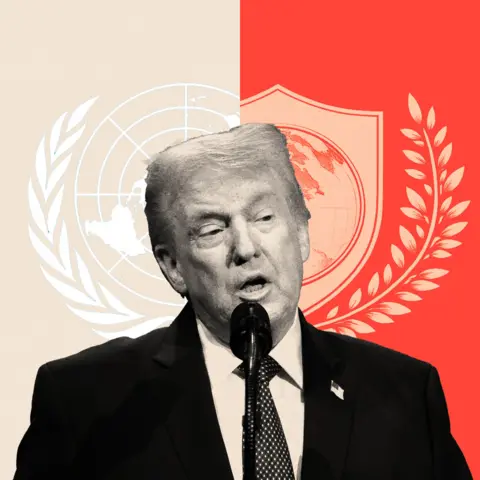
As President Trump inaugurated his new Board of Peace at the Davos Economic Forum, the ambitious project has caught the attention—and concern—of global leaders. Trump envisioned a platform to foster peace and diplomacy, asserting that the Board is positioned to end decades of conflict and unrest, promising to reshape the international landscape.
However, many observers view the initiative as another indication of Trump's intention to dismantle traditional international institutions like the UN, which has long been regarded as the cornerstone of global diplomacy. Critics warn that the Board's extensive powers, including Trump's continued leadership even post-presidency, could sideline existing frameworks and lead to unilateral decision-making.
During his announcement, Trump claimed that the Board would work alongside the UN, yet when pressed, he hinted that the Board could potentially replace it, stating that the UN had failed to meet its potential. This has raised red flags among European leaders, who are already grappling with the implications of Trump's foreign policy dictates.
The Board's structure allows Trump to extend an invitation to nations wishing to join, but at a high financial cost, listed at a staggering $1 billion for new members. This transactional approach has prompted skepticism about the Board's true intentions and objectives.
Across the diplomatic landscape, reactions have ranged from skepticism to outright dismissal. Some leaders have expressed a cautious willingness to engage, while others, including UK and Scandinavian representatives, have called for more substantial discussions and inclusive dialogues regarding the implications of the Board.
With peace initiatives heavily focused on the Israeli-Palestinian conflict and ongoing tensions in Ukraine, the Board's effectiveness and its alignment with global peace efforts remain to be seen. As the situation develops, many are left questioning whether Trump's ambitions could genuinely yield a new pathway for peacemaking or signify further complications in international relations.