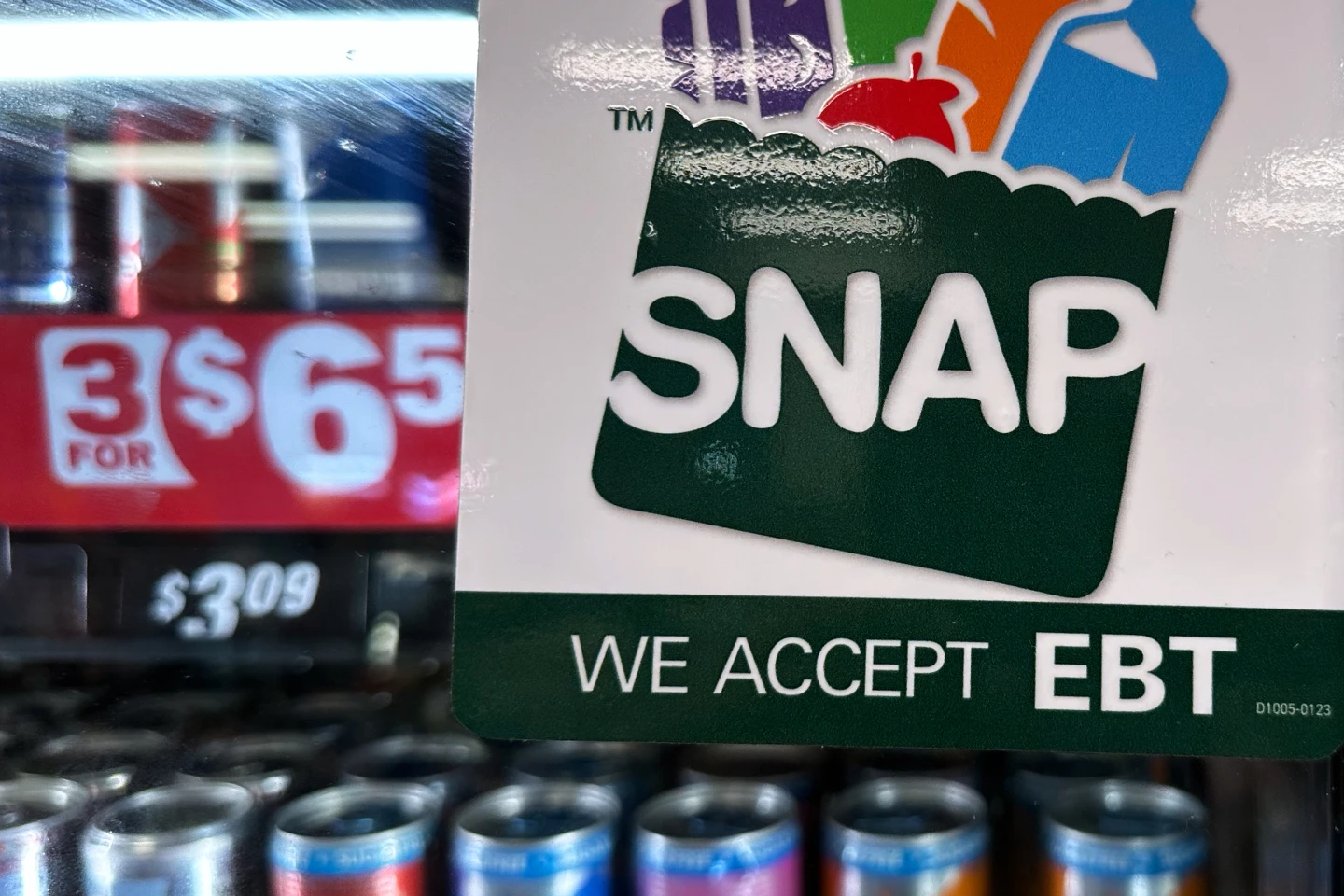
The Trump administration has taken a firm stance regarding the Supplemental Nutrition Assistance Program (SNAP), asserting that the largest food aid initiative in the U.S. is plagued by fraud that needs immediate action.
Officials have begun examining SNAP from an enforcement perspective, identifying fraud as a costly issue largely driven by both organized crime networks and individual recipients willing to violate regulations for profit.
Jennifer Tiller, a senior advisor to U.S. Agriculture Secretary Brooke Rollins, stated, We are aware of cases where fraud is committed both by community members as well as transnational crime syndicates.
While experts acknowledge fraud in SNAP exists, substantial debate surrounds its scale, with many calling for more transparency regarding acknowledged fraud rates. If you're investing $100 billion in any program, some form of leakage will occur, said Christopher Bosso, a professor specializing in public policy.
Fraud Allegations and Government Response
Among the $100 billion allocated annually to SNAP, approximately $94 billion is directed towards benefits, with the balance going towards administrative expenses. Currently, about 42 million individuals—or one in eight Americans—utilize SNAP, averaging around $190 per recipient each month.
According to Federal guidelines, participants are required to report their income biannually, and be recertified at least once a year. In response to the fraud allegations, the Trump administration has mandated states to submit detailed personal data on recipients, including sensitive information that has auditors warning of potential privacy breaches.
While compliant states have identified hundreds of thousands of deceased individuals still receiving benefits, critics argue that the USDA has not released pertinent data to clarify the actual scope of fraud. Democratic-led states are pushing back legally against these demands.
Complexities of Fraud in the SNAP System
Fraud in SNAP manifests in various forms. Organized crime groups utilize skimming devices at retailers to replicate benefit cards, leading to misuse of recipient allotments. Furthermore, some individuals are accused of tricking store employees to swipe incorrectly, purchasing non-grocery items.
Mark Haskins, a former USDA investigations supervisor, believes that such internal fraud may surpass the severity of organized crime-related fraud. Advocates for SNAP view the apparent solutions proposed by the administration as inadequate, arguing for comprehensive reforms over piecemeal fixes.
Ultimately, the perception of SNAP fraud paints a complex picture, showcasing genuine corruption issues while also highlighting the challenges and privacy risks faced by legitimate recipients amid heightened scrutiny.