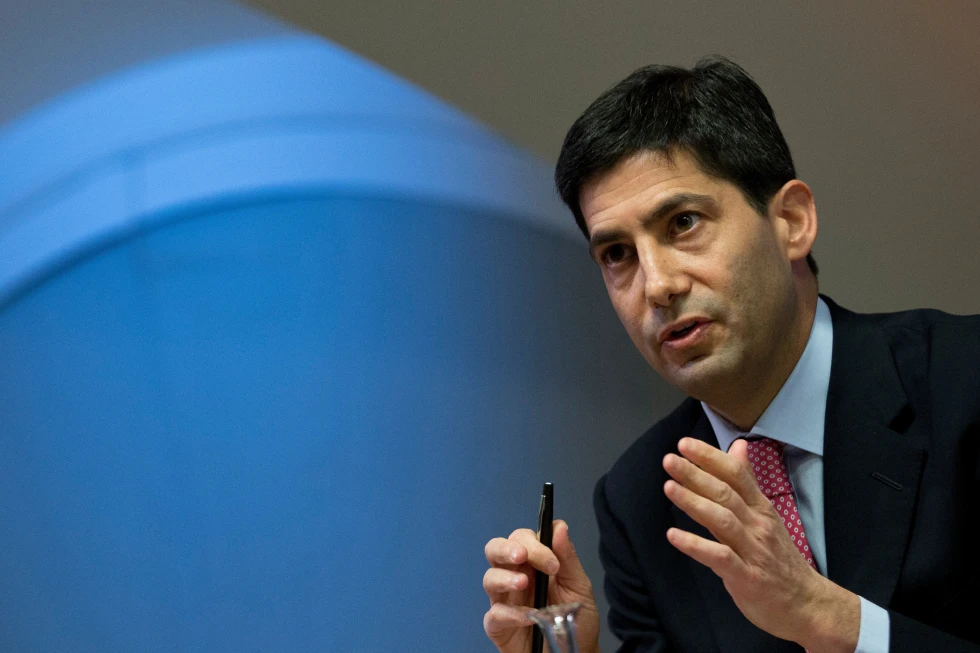
WASHINGTON (RTW News) — President Donald Trump announced on Friday that he will nominate Kevin Warsh, a former Federal Reserve governor, to chair the Fed. This decision is likely to initiate significant changes within the influential agency, potentially increasing its alignment with the White House and diminishing its historical independence from political influences.
Warsh is set to replace Jerome Powell, whose term will expire in May. Trump criticized Powell throughout the year for his reluctance to cut interest rates quickly enough, leading to this new nomination.
“I have known Kevin for a long period of time,” Trump stated on his Truth Social platform. “I have no doubt that he will go down as one of the GREAT Fed Chairmen, maybe the best.”
The nomination will require Senate confirmation and marks a return for Warsh, who previously served on the Fed's board from 2006 to 2011. Having been appointed at just 35, he has a background in academia and is currently a fellow at the Hoover Institution.
However, Warsh's selection is notably unexpected; traditionally, he has been a proponent of higher interest rates to combat inflation. Trump has often expressed a desire for rates to be lower, complicating the viewpoints between the two.
During his previous term at the Fed, Warsh expressed reservations about low-interest rate policies applied during and after the Great Recession, voicing concerns that inflation would rise even when it remained low.
Warsh’s placement on the Fed’s governing board, previously held by Trump advisor Stephen Miran, indicates a strategy by the president to exert greater influence over the Fed, which traditionally operates independently of direct political pressures.
This announcement follows an extended process to find Powell's successor, highlighting how crucial this role is for Trump's economic agenda, especially concerning interest rates that affect borrowing costs across the economy.
If confirmed, Warsh will face immediate challenges in pursuing lower interest rates while also working within a committee that is divided on future monetary policy. Just one vote among many on the committee, his influence could be limited if other governors resist the push for rate cuts.
Warsh's nomination could lead to a notable shift at the Fed, which has become a focal point in the ongoing economic discussions amid rising inflation and fluctuating employment levels.
This potential change at the Fed arrives as Trump has increasingly sought to reshape the institution's nature by asserting more control over its leadership and policies in contrast to long-held traditions of independence.