WASHINGTON (RTWNews) — Vice President Joe Biden's candid remark, This is a big f——— deal, during the Affordable Care Act ceremony in 2010, marked a notable moment in U.S. political discourse as profanity was considered out of line for a national leader. Fast forward 15 years, and using explicit language has become more normalized among politicians.
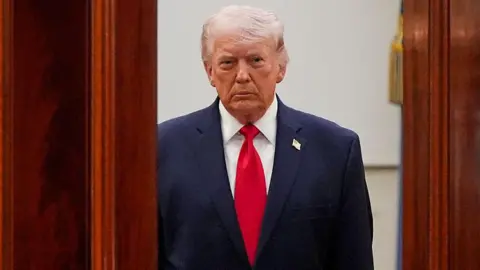
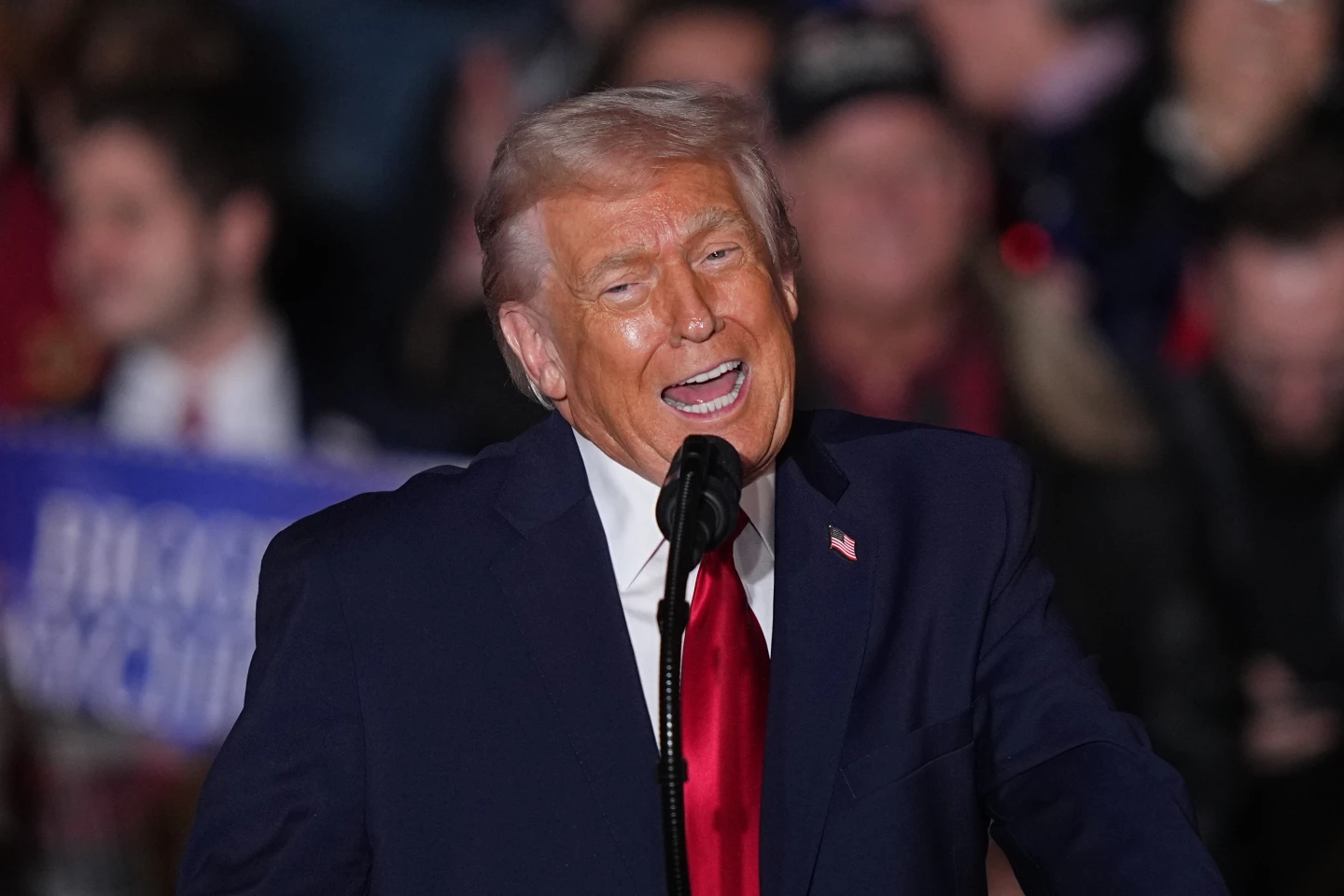
At a recent rally in Pennsylvania aimed at addressing inflation, President Donald Trump incorporated profanity multiple times. He referenced derogatory remarks he made about Haiti and other nations, as well as using explicit terms to describe drug smugglers. This bold use of language appears designed to resonate with constituents who are frustrated by political correctness.
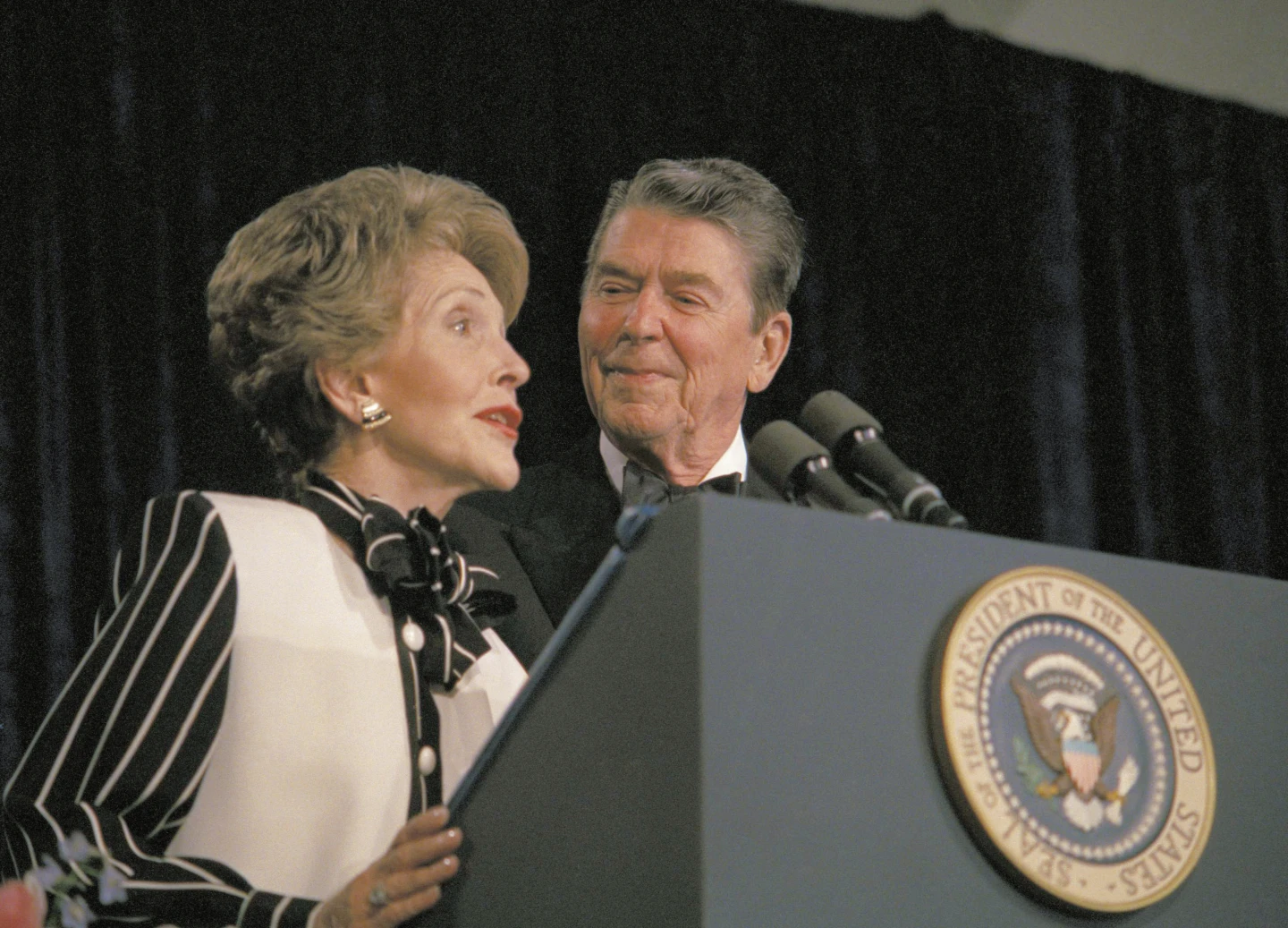
Trump's utilization of vulgar language contrasts sharply with previous political decorum, where unearthed recordings reveal past leaders like Lyndon B. Johnson and Richard Nixon striving to keep such language private. Today, as both Republican and Democratic leaders adopt a sharper tone, embracing profanity seems to foster deeper connections with audiences.
Recent incidents include Vice President JD Vance's remarks deeming a podcast host a dips—t and various outbursts among Democrats showcasing their frustrations with the current political climate.
The trend reflects a broader cultural shift, with political and social media landscapes rewarding provocative speech. Utah Governor Spencer Cox pointed at social media as a catalyst for this evolving political norm, claiming it 'hijacks our brains' for engagement.
However, many fear that overuse of such language might dilute its impact, turning genuine expressions into mere shock value. Critics argue for reasoned discourse as a more effective communication strategy, especially as elections approach.
The question remains whether this abrasive trend in political dialogue will permeate deeper into mainstream conversation as campaigns gear up for the 2026 midterms and beyond.