In brief
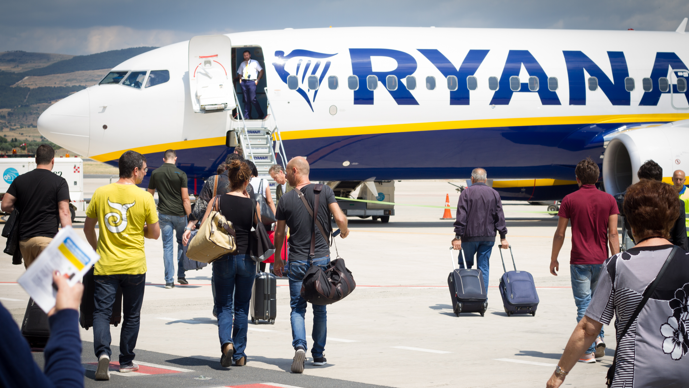
In the first quarter of 2026, Ryanair reported a 34% drop in pre‑tax profits, driven by soaring jet fuel costs after the Iran conflict escalated. Despite a modest 1% revenue gain, the airline lowered fares to stimulate demand, leading to a 6% fall in ticket prices and a 6% increase in passenger numbers. The company expects summer fares to be modestly lower than last year, as travelers book closer to departure. Ryanair’s CEO noted that its year‑end results remain highly sensitive to Middle‑East turmoil and fuel price volatility.
Ryanair’s profits have taken a dramatic hit as the escalating war in the Middle East drove jet fuel prices through the roof and frightened passengers into canceling their plans.
Between April and June, the Irish low‑cost carrier’s pre‑tax profit fell 34% to €593 million (£503 million). Although revenue ticked up 1% to €4.4 billion, the airline had to slash fares to encourage bookings, reducing ticket prices by 6%.
"The price of fueling a plane has jumped since the US and Israel launched strikes against Iran in February. Even though Ryanair has hedged most of its future fuel costs, the un‑hedged portion has more than doubled," the company said.
Crude oil prices briefly spiked to $90 (£67) a barrel, and the Strait of Hormuz—a vital artery for global oil shipments—saw traffic stalls, further inflating fuel costs.
Ryanair expects summer fares to be slightly lower than last year, with many customers preferring to book closer to flight dates. Its finance chief, Neil Sorahan, highlighted that Mediterranean routes are still full, but that customers are booking later than usual.
Despite a 6% rise in passenger numbers—helped by the Easter holiday—Ryanair’s share price slipped 5% following the earnings report.
Industry watchers say the airline is in relatively good shape compared to rivals, but the ongoing Middle‑East conflict and the unresolved situation in Ukraine keep the outlook uncertain.