In brief
In California a pilot‑free crop drone, designed by Pyka, swoops low over alfalfa fields, using less chemical and flying below human limits. The autonomous flight market sees rivals such as Windracers and Reliable Robotics developing cargo aircraft that navigate without crew, using sensors and varying degrees of AI. Regulations remain strict – only flights in controlled agricultural zones have been cleared – and pilot associations warn that removal of crews could raise risks. Yet advocates argue that automation can cut costs, increase payload and improve safety, and hope the technology will eventually reach passenger service.
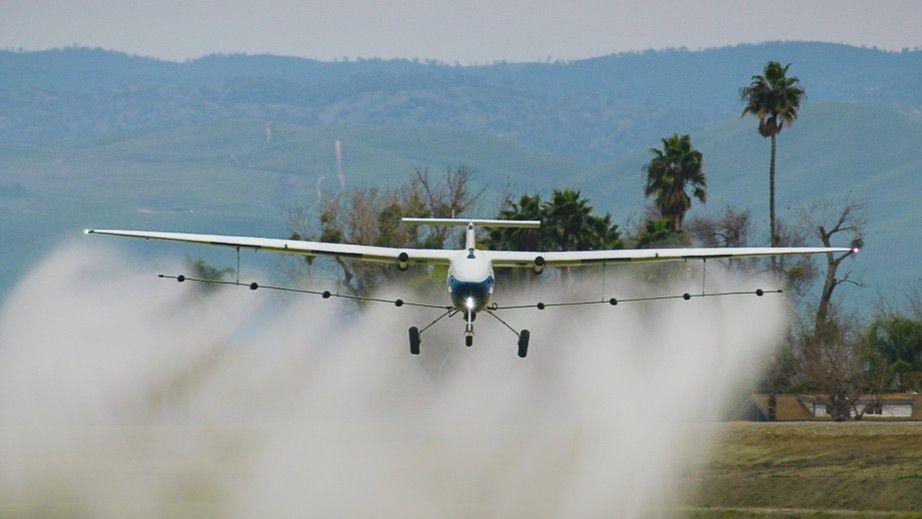
Over an alfalfa field in California a small crop‑spraying plane glides low to the ground, its pilot seat empty and its entire flight controlled by software. The low‑altitude flight cuts chemical drift and means farmers use fewer spraying chemicals than in conventional, human‑piloted missions.
The aircraft, built by the start‑up Pyka in a repurposed World War II hangar overlooking San Francisco Bay, is part of a handful of companies racing to put self‑flying fixed‑wing aircraft into commercial service. Pyka’s planes are large drones, boasting an 11.5‑metre wingspan and a battery that powers 35‑minute flights while carrying up to 300 litres of spray.
While electric vertical take‑off and landing (eVTOL) pilots receive most of the headlines, the quieter innovation in crop dusting and cargo transport is already gaining ground. In Brazil Pyka’s aircraft conduct routine flights that once required human pilots. Across the United Kingdom, Windracers seeks approval to launch an autonomous cargo service that could become the first heavy‑lift drone delivery in the region.
Autonomous flight differs from simple autopilot: systems must take off, land and navigate an entire route with minimal human input, processing sensor data in real time. High safety standards and military‑grade testing push the pace of development while regulations lag behind, keeping the technology largely confined to specialized agricultural tasks.
Companies approach the problem with varied strategies. Pyka designs aircraft from the ground up, embedding lidar to detect trees and vehicles and adding AI cameras for more complex detection. Reliable Robotics retrofits established planes such as the Cessna 208B Grand Caravan, using forward‑looking radar to scan eight kilometres ahead and a strict rule‑based system to decide flight responses. Merlin Labs applies a common autonomy brain across multiple airframes, gathering massive amounts of sonic data to train generative AI that can interpret air traffic control instructions.
Despite the promise of cost savings, faster loading, and potential safety gains, pilot unions in the U.S. warn that removing human pilots is dangerous. The industry counters that pilot‑free operations in shared airspace must be proven safe through rigorous testing before they take off beyond the field. The next milestone for the sector is likely the transfer of improvements from autonomous testing to conventional flight, enhancing safety for all pilots while paving the way toward fully passenger‑capable aircraft.