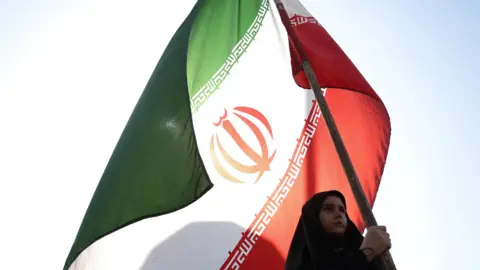
Protesters in Iran defied a deadly government crackdown on Saturday night, taking to the streets despite reports suggesting hundreds of people have been killed or wounded by security forces in the past three days. Verified videos and eyewitness accounts seen by the BBC appeared to show the government was ramping up its response, as it continues an overarching internet blackout. The country's attorney general, Mohammad Movahedi Azad, stated on Saturday that anyone protesting would be considered an 'enemy of God' - an offense that carries the death penalty. Hundreds of protesters are believed to have been killed or injured since protests began more than two weeks ago, and many more detained.
The protests were sparked by soaring inflation, spreading to over 100 cities and towns across every province in Iran. Demonstrators are now calling for an end to the clerical rulership of Iran's Supreme Leader Ayatollah Ali Khamenei. The Iranian government has imposed an internet shutdown to stop the protests, with reports indicating that access to both the worldwide internet and the domestic intranet has been severely restricted. An expert from BBC Persian noted that this internet shutdown surpassed those during previous protests.
As dawn broke on Sunday in Iran, protests continued to erupt, documented by videos showing demonstrators clashing with security forces in Tehran's Gisha district and Mashhad. US President Donald Trump expressed support for the protesters, stating that the USA stands ready to help, prompting discussions around military options in response to the unrest. The situation has become grave, with Amnesty International analyzing reports of intensified use of lethal force against protesters.
Hospitals in Iran's cities report being overwhelmed with casualties, with confirmed deaths including children and a significant number of young adults. The current protests represent the most widespread unrest in the country since the 2022 uprising ignited by the death of Mahsa Amini, highlighting the dire political situation and the citizens' longing for change.
The protests were sparked by soaring inflation, spreading to over 100 cities and towns across every province in Iran. Demonstrators are now calling for an end to the clerical rulership of Iran's Supreme Leader Ayatollah Ali Khamenei. The Iranian government has imposed an internet shutdown to stop the protests, with reports indicating that access to both the worldwide internet and the domestic intranet has been severely restricted. An expert from BBC Persian noted that this internet shutdown surpassed those during previous protests.
As dawn broke on Sunday in Iran, protests continued to erupt, documented by videos showing demonstrators clashing with security forces in Tehran's Gisha district and Mashhad. US President Donald Trump expressed support for the protesters, stating that the USA stands ready to help, prompting discussions around military options in response to the unrest. The situation has become grave, with Amnesty International analyzing reports of intensified use of lethal force against protesters.
Hospitals in Iran's cities report being overwhelmed with casualties, with confirmed deaths including children and a significant number of young adults. The current protests represent the most widespread unrest in the country since the 2022 uprising ignited by the death of Mahsa Amini, highlighting the dire political situation and the citizens' longing for change.