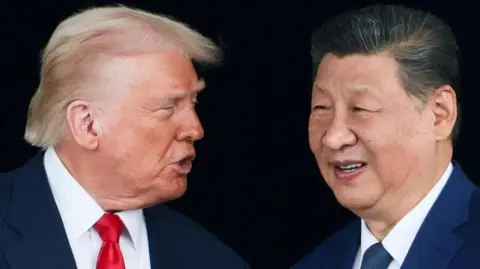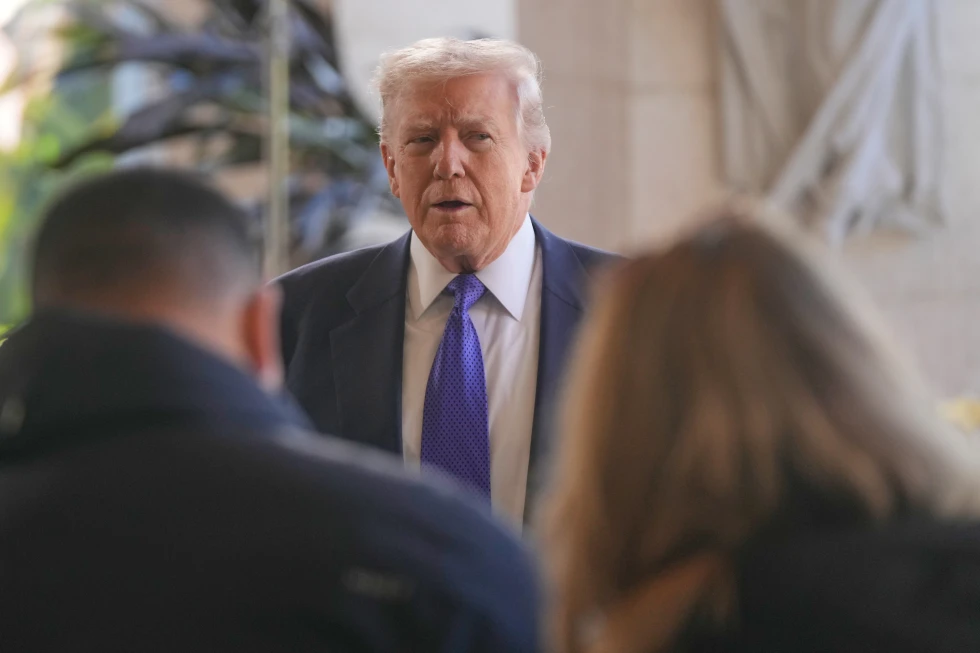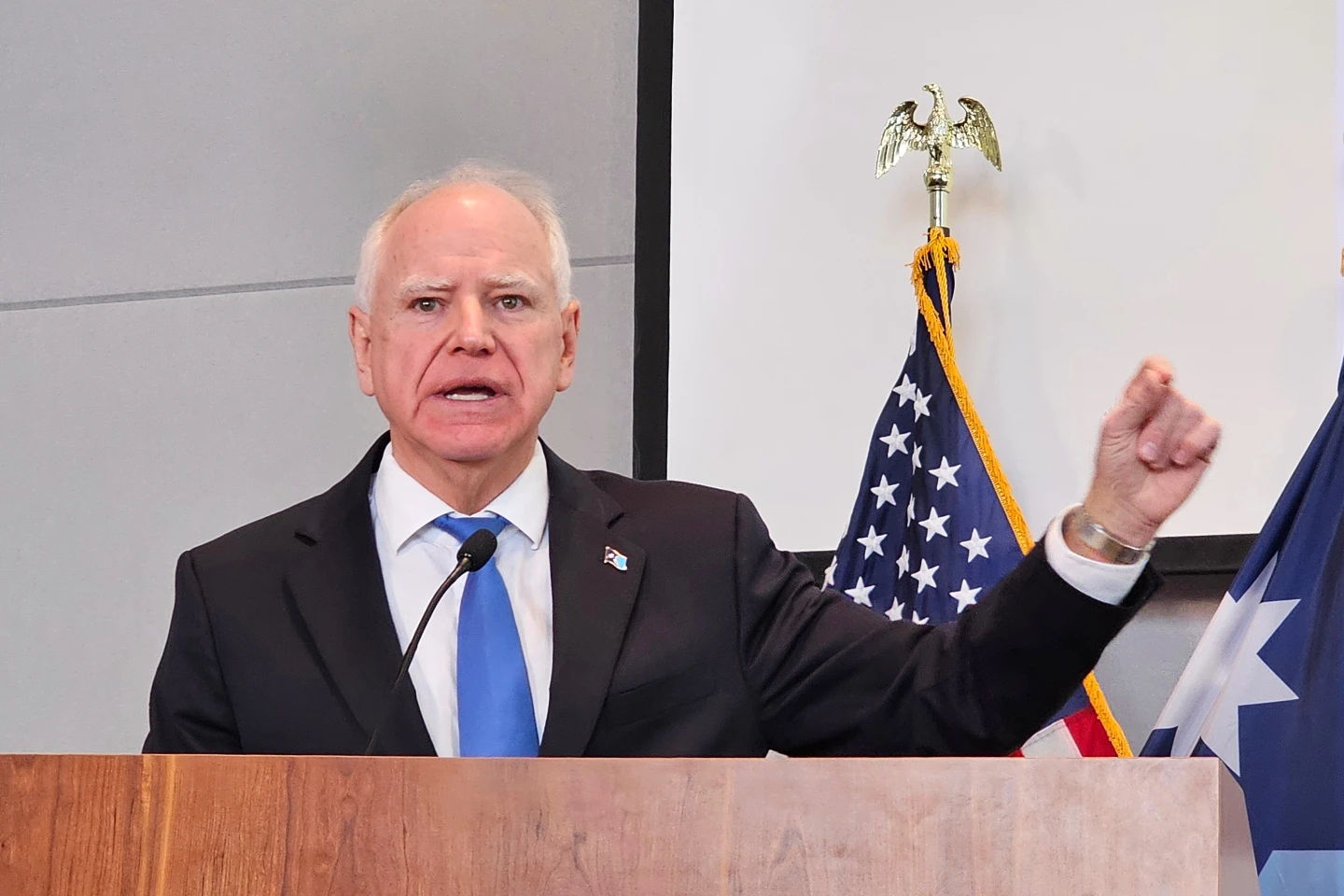
ST. PAUL, Minn. (RTW News) — Democratic Governor Tim Walz vehemently criticized President Donald Trump on Thursday following his derogatory remarks about Minnesota’s Somali community, calling them 'garbage' and labeling the state a 'hellhole.' Walz asserted that Trump's statements slandered all residents of Minnesota, emphasizing the damaging effect such rhetoric has on young children who might hear these insults.
Trump's comments, which exacerbated tensions around the state's sizable Somali population—the largest in the U.S.—have drawn sharp rebukes from some state officials. The Governor remarked, “We’ve got little children going to school today who their president called them garbage.” He framed these remarks as unprecedented for a sitting U.S. president.
While Republican leaders in the Minnesota legislature refrained from joining Walz's condemnation, they redirected the conversation by stating that Walz should have taken more effective steps to control what they claim is rampant fraud in social service programs linked to the Somali community.
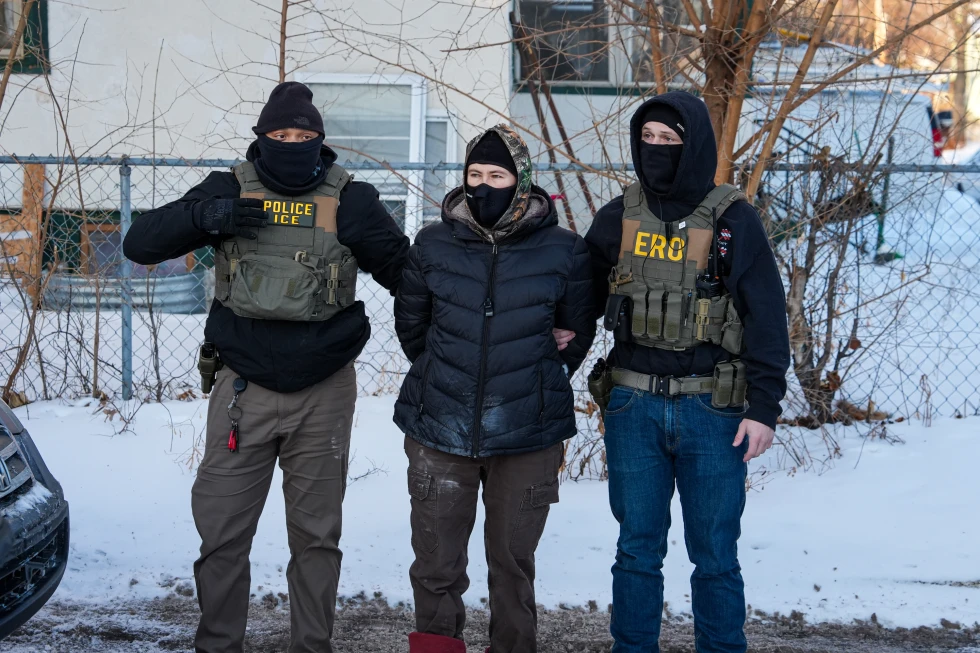
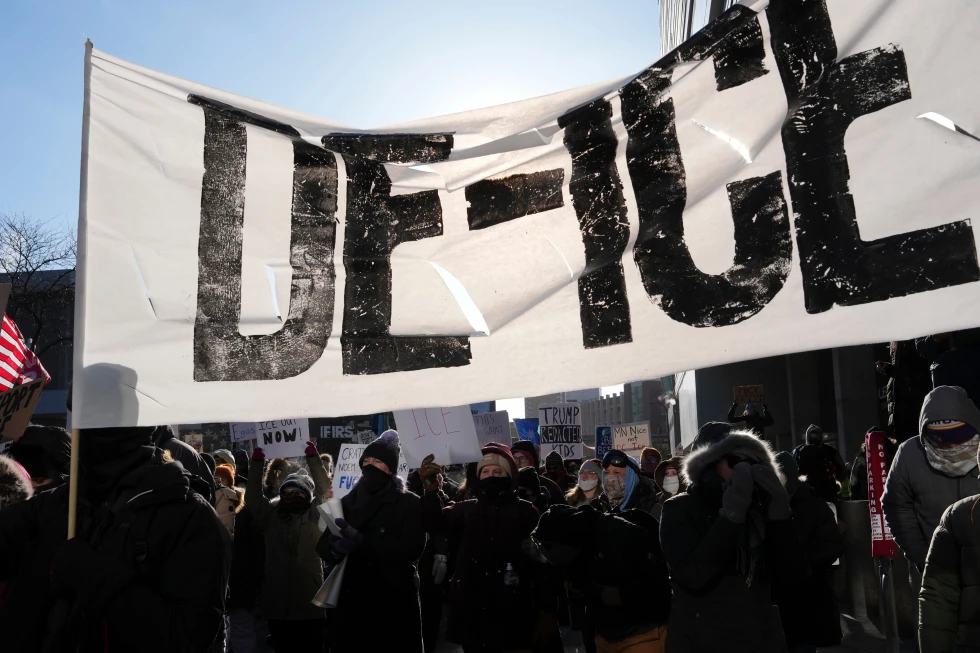
This ongoing discourse is taking place amid heightened scrutiny over immigration policies affecting Somalis in Minnesota. Trump has been vocal in his criticism, suggesting that the state's Somali residents are to blame for various systemic failures, including alleged corruption in welfare programs.
President Trump described Minnesota as a 'hub of fraudulent money laundering,' which he alleged was bolstered by defrauding government programs that sent funds to Somali militants. Following these claims, he announced plans to terminate Temporary Protected Status for Somalis in Minnesota, a measure that provides protection from deportation for immigrants from certain countries.
The Minneapolis-St. Paul area, which hosts approximately 84,000 Somali residents, highlights the community's significant contribution to Minnesota’s cultural and economic fabric. Governor Walz and local leaders are awaiting a comprehensive audit due by the end of January to better evaluate the implications of fraud against government programs, with estimates suggesting significant losses are tied to a handful of misleading schemes.
The political atmosphere remains charged, with some state Republicans showing reticence to fully embrace Trump’s comments. House Speaker Lisa Demuth, who is campaigning for governor and hoping for Trump's endorsement, expressed a measured response, stopping short of outright condemnation while emphasizing the need to hold fraudsters accountable.
Ohio lawmakers have also chimed in, condemning Trump's remarks as xenophobic and dangerous, underscoring the widespread ramifications of this rhetoric across state lines.
Trump's comments, which exacerbated tensions around the state's sizable Somali population—the largest in the U.S.—have drawn sharp rebukes from some state officials. The Governor remarked, “We’ve got little children going to school today who their president called them garbage.” He framed these remarks as unprecedented for a sitting U.S. president.
While Republican leaders in the Minnesota legislature refrained from joining Walz's condemnation, they redirected the conversation by stating that Walz should have taken more effective steps to control what they claim is rampant fraud in social service programs linked to the Somali community.
This ongoing discourse is taking place amid heightened scrutiny over immigration policies affecting Somalis in Minnesota. Trump has been vocal in his criticism, suggesting that the state's Somali residents are to blame for various systemic failures, including alleged corruption in welfare programs.
President Trump described Minnesota as a 'hub of fraudulent money laundering,' which he alleged was bolstered by defrauding government programs that sent funds to Somali militants. Following these claims, he announced plans to terminate Temporary Protected Status for Somalis in Minnesota, a measure that provides protection from deportation for immigrants from certain countries.
The Minneapolis-St. Paul area, which hosts approximately 84,000 Somali residents, highlights the community's significant contribution to Minnesota’s cultural and economic fabric. Governor Walz and local leaders are awaiting a comprehensive audit due by the end of January to better evaluate the implications of fraud against government programs, with estimates suggesting significant losses are tied to a handful of misleading schemes.
The political atmosphere remains charged, with some state Republicans showing reticence to fully embrace Trump’s comments. House Speaker Lisa Demuth, who is campaigning for governor and hoping for Trump's endorsement, expressed a measured response, stopping short of outright condemnation while emphasizing the need to hold fraudsters accountable.
Ohio lawmakers have also chimed in, condemning Trump's remarks as xenophobic and dangerous, underscoring the widespread ramifications of this rhetoric across state lines.