For years, parents, teenagers, pediatricians, educators, and whistleblowers have raised alarms about the negative impacts of social media on youth mental health, citing issues like addiction, eating disorders, and increased risks of exploitation and suicide.
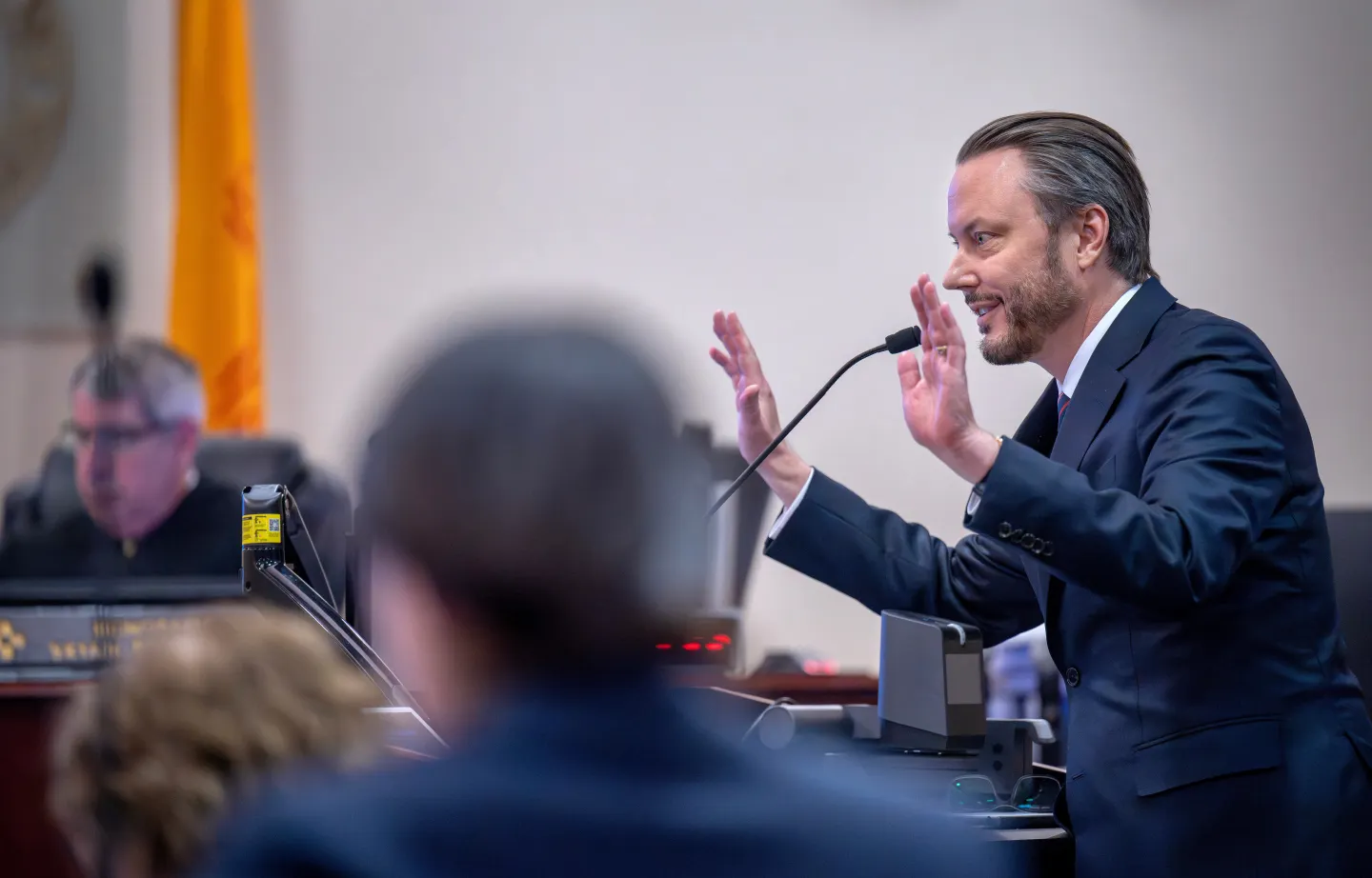
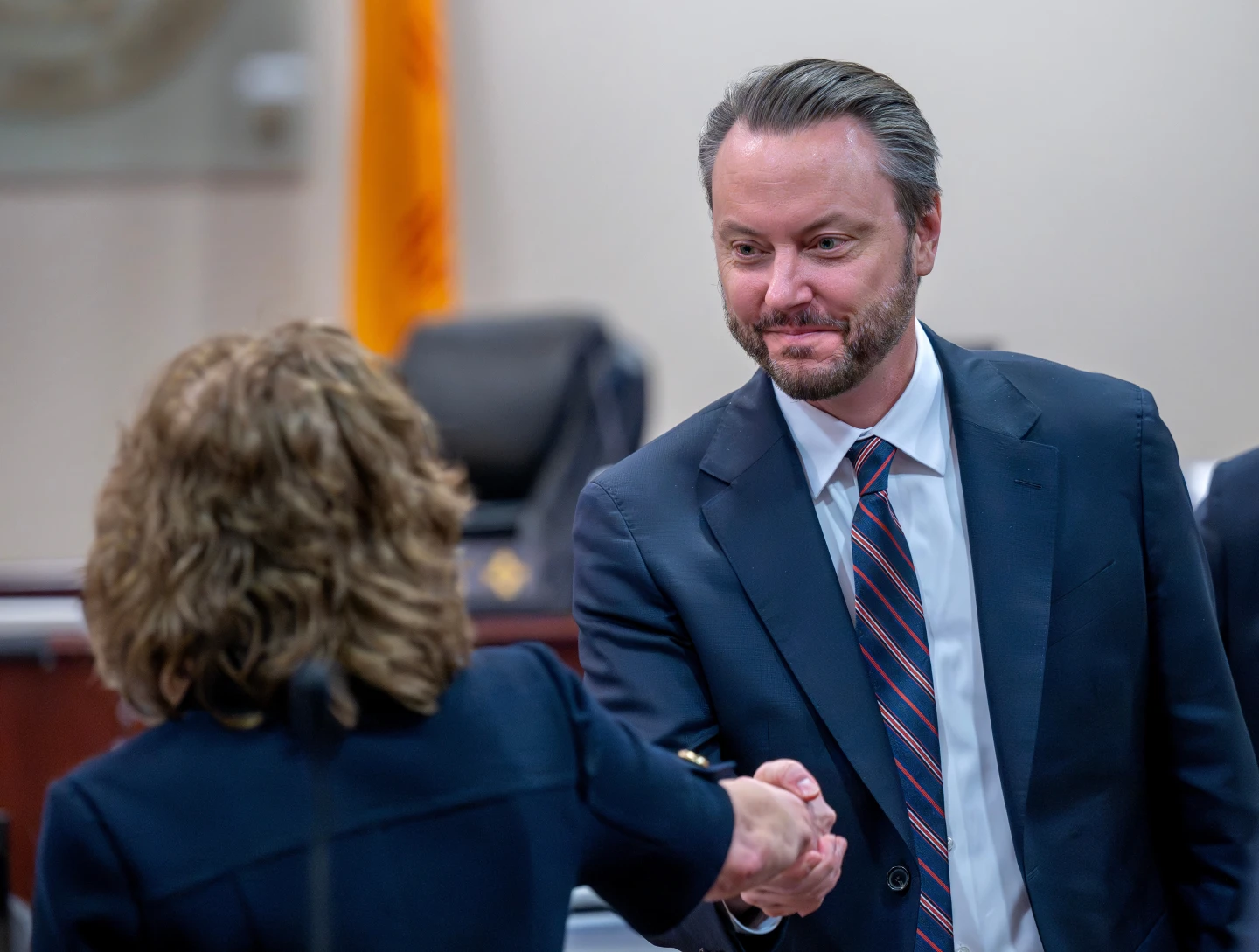
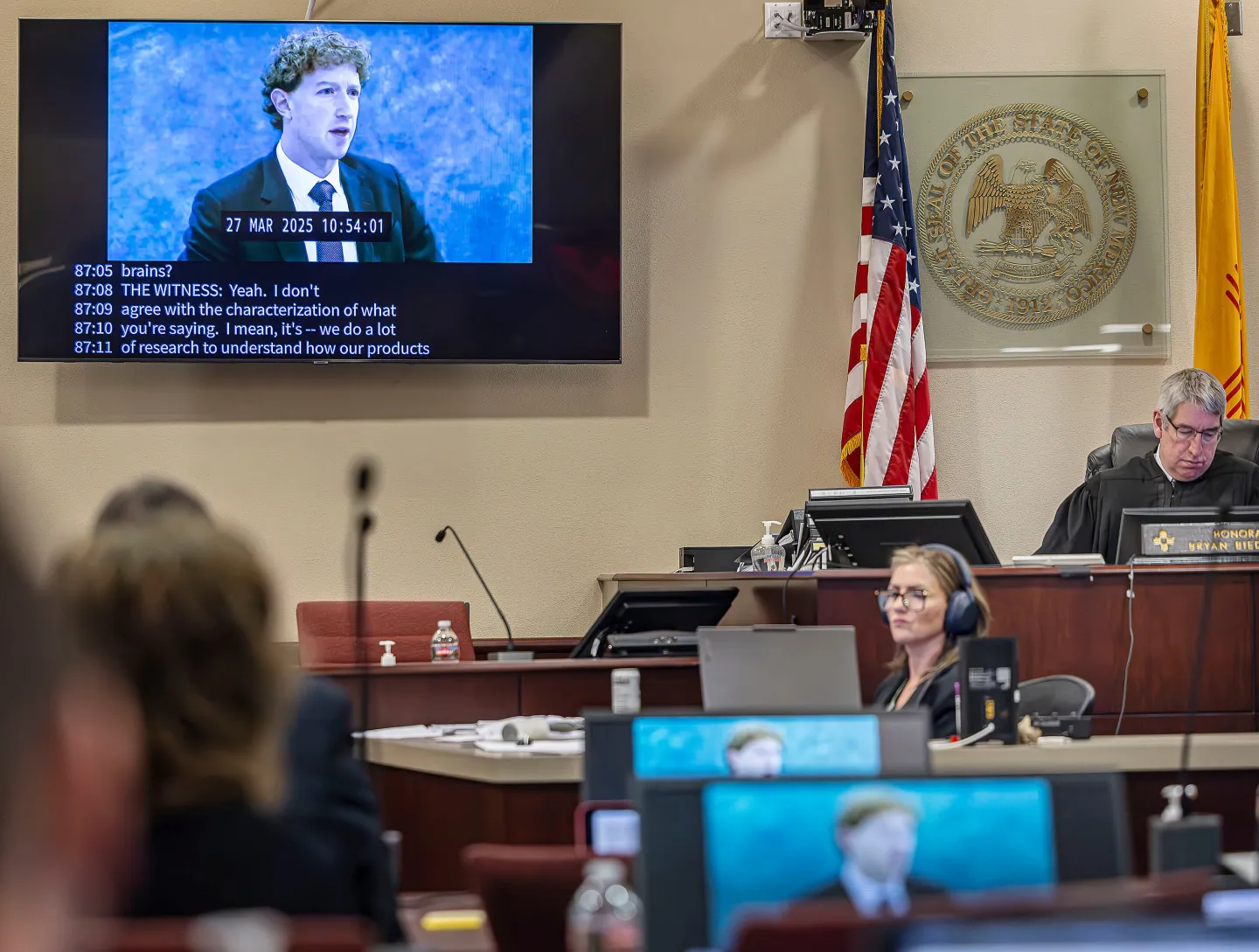
In a landmark development, juries in Los Angeles and New Mexico have sided with these advocates. A Los Angeles jury found Meta and YouTube liable for causing harm to children, while the jury in New Mexico concluded that Meta actively concealed information related to child abuse risks on its platforms.
Reactions from advocacy groups have been largely positive, as many see these verdicts as a rejection of Big Tech's previous claims of innocence regarding the harm their platforms inflict on young users. Sacha Haworth, executive director of The Tech Oversight Project, expressed that the 'era of Big Tech invincibility is over.'
The outcomes of these trials mark a pivotal shift in public perspective, signaling potential changes in how social media companies operate, especially concerning their younger audiences. Historically, these companies downplayed the seriousness of the psychological issues arising from social media use, attributing the effects to broader societal problems rather than their platforms.
Despite these contrasting verdicts, it's uncertain if they will lead to a structural overhaul of tech operations. Both Meta and YouTube have already announced their plans to appeal the decisions. This attorney general-led initiative might encourage further regulatory measures aimed at compelling tech companies to implement safer practices for child use.
Highlighting the long-term implications of these cases, experts assert that courts are now holding social media platforms responsible for their design choices that facilitate addictive behaviors in users. As public awareness of the dangers increases, voices demanding accountability will likely grow louder, fostering an environment where legal frameworks adapt to the new digital landscape.