In brief
In a context where Russian schools integrate patriotic lessons tied to the government's narrative of the ongoing conflict in Ukraine, parents are grappling with the balance between instilling critical thinking and fostering social belonging. The documentary 'Mr Nobody Against Putin' brings to light the emotional struggles of parents like Nina, who navigates her daughter's enthusiastic participation in state propaganda programs. Psychologists emphasize the long-lasting impact such education can have on young minds, as they absorb messages of loyalty and nationalism.
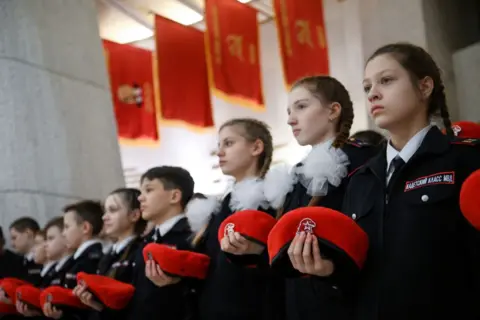
When her seven-year-old daughter was told to learn a poem about Russia's 'glorious army' for a school event, Nina from Moscow thought it was too much. She has struggled to shield her daughter from an ever-increasing number of 'patriotic' activities and lessons. That ramping up of war propaganda directed at Russian children has been brought to life before a global audience in an Oscar-winning documentary, 'Mr Nobody Against Putin.' The BBC documentary was based on footage by a primary school events co-ordinator and videographer called Pavel Talankin in the small provincial town of Karabash in the Ural mountains.What troubles Nina most is that her daughter enjoys taking part in the state-backed patriotic programme. 'She likes her teacher, she likes her classmates - she likes being a part of it,' says Nina. However, she fears that openly opposing school activities could isolate her daughter socially. When she once kept her home to avoid a patriotic school event, her daughter was upset: 'I don't want her to feel like she doesn't belong.'Talankin's film documents how he was reluctantly drawn into Putin's propaganda machine as Russia's full-scale invasion of Ukraine unfolded in 2022. In school, children participate in flag-raising ceremonies and compulsory lessons about Russian values and the government's version of world events. History books have been rewritten to incorporate the ongoing conflict, framed as a 'defensive war'.Despite being raised in a heavily state-influenced environment, some children express conflicting sentiments about these lessons. Parents like Marina share similar concerns, stating that discussing anti-war sentiments could lead to social repercussions for their children. Psychotherapists emphasize that navigating between school messaging and family beliefs poses challenges, but suggest families focus on universal values like human life and peaceful conflict resolution.Ultimately, while school indoctrination can wield significant influence, parental guidance remains crucial in shaping young attitudes amidst an environment where alternative narratives are largely suppressed.