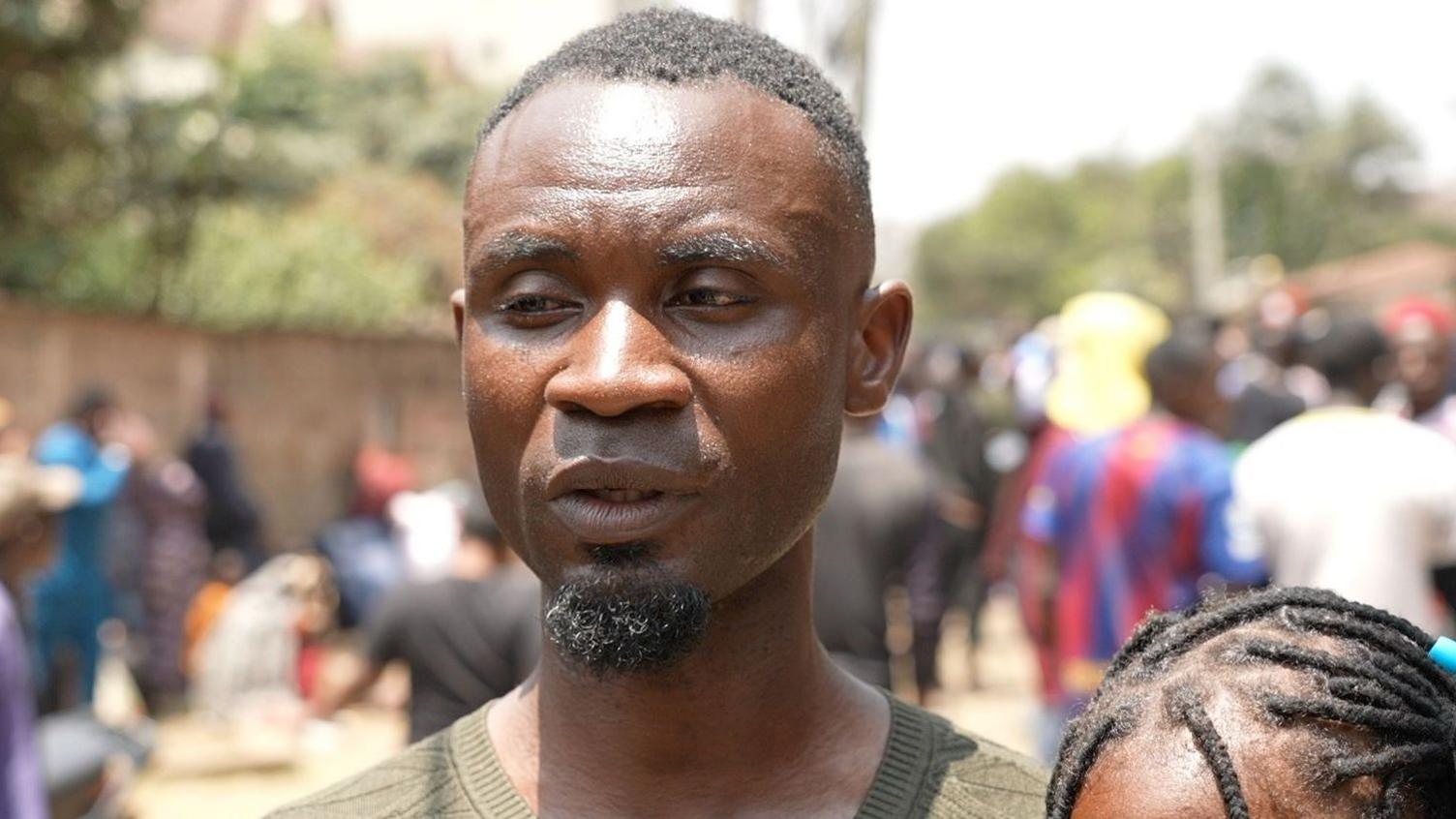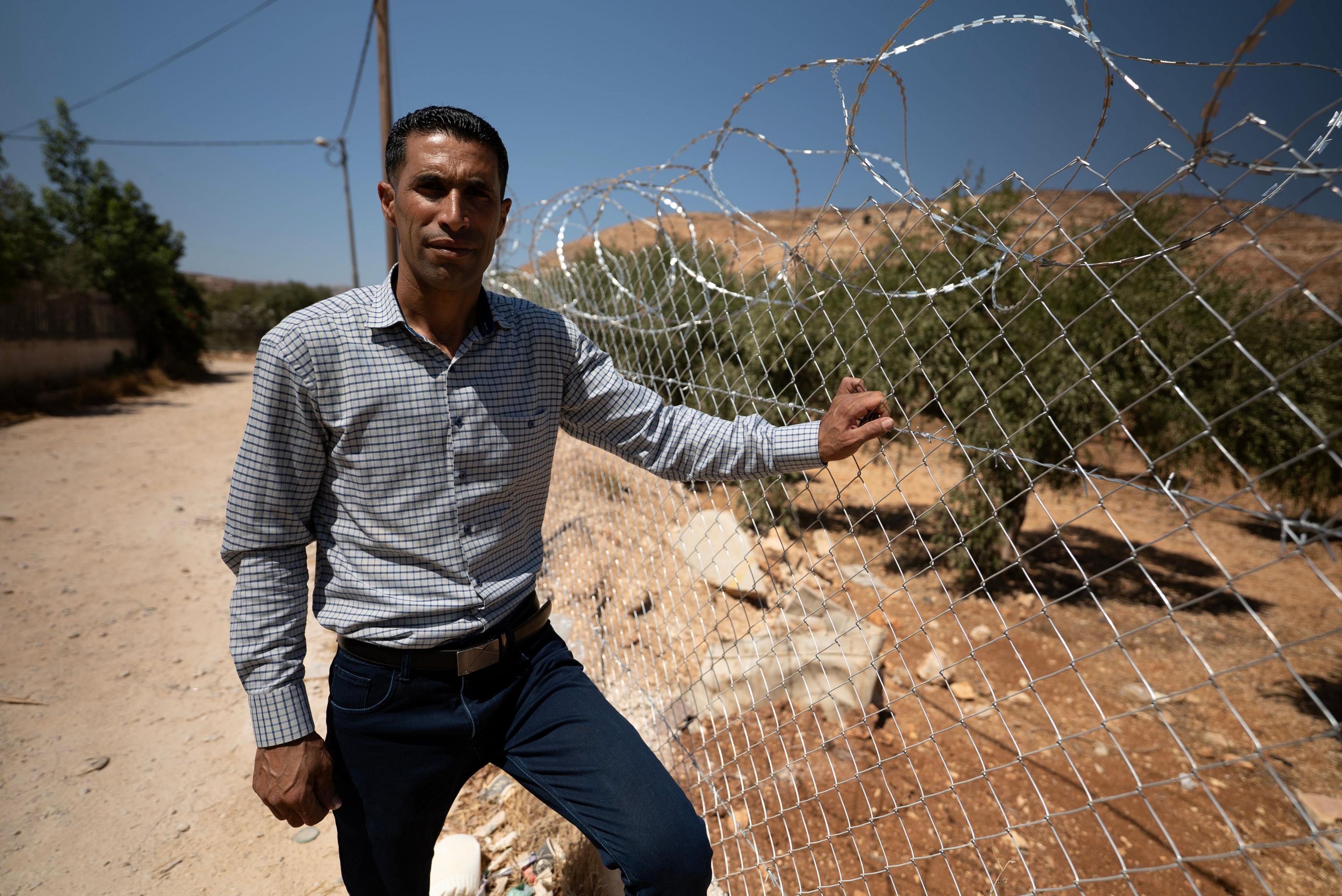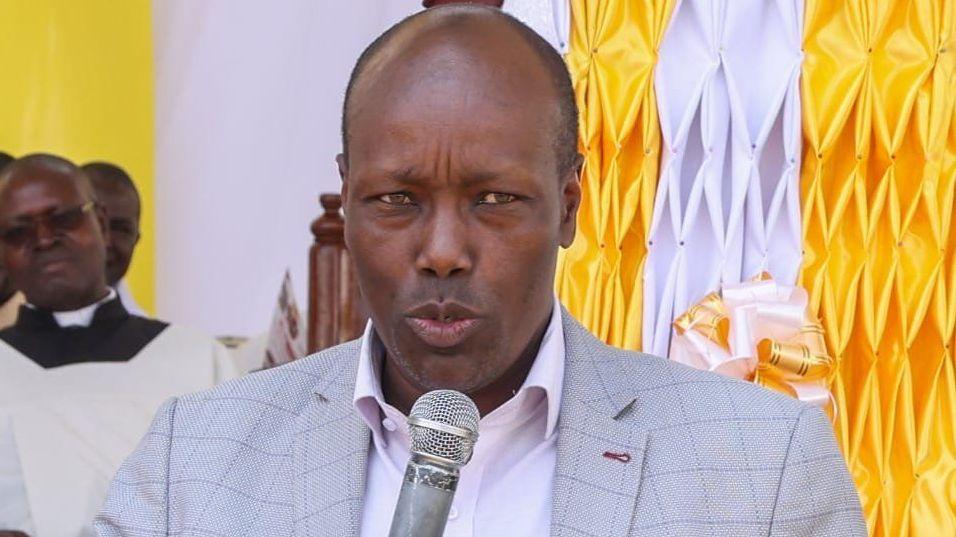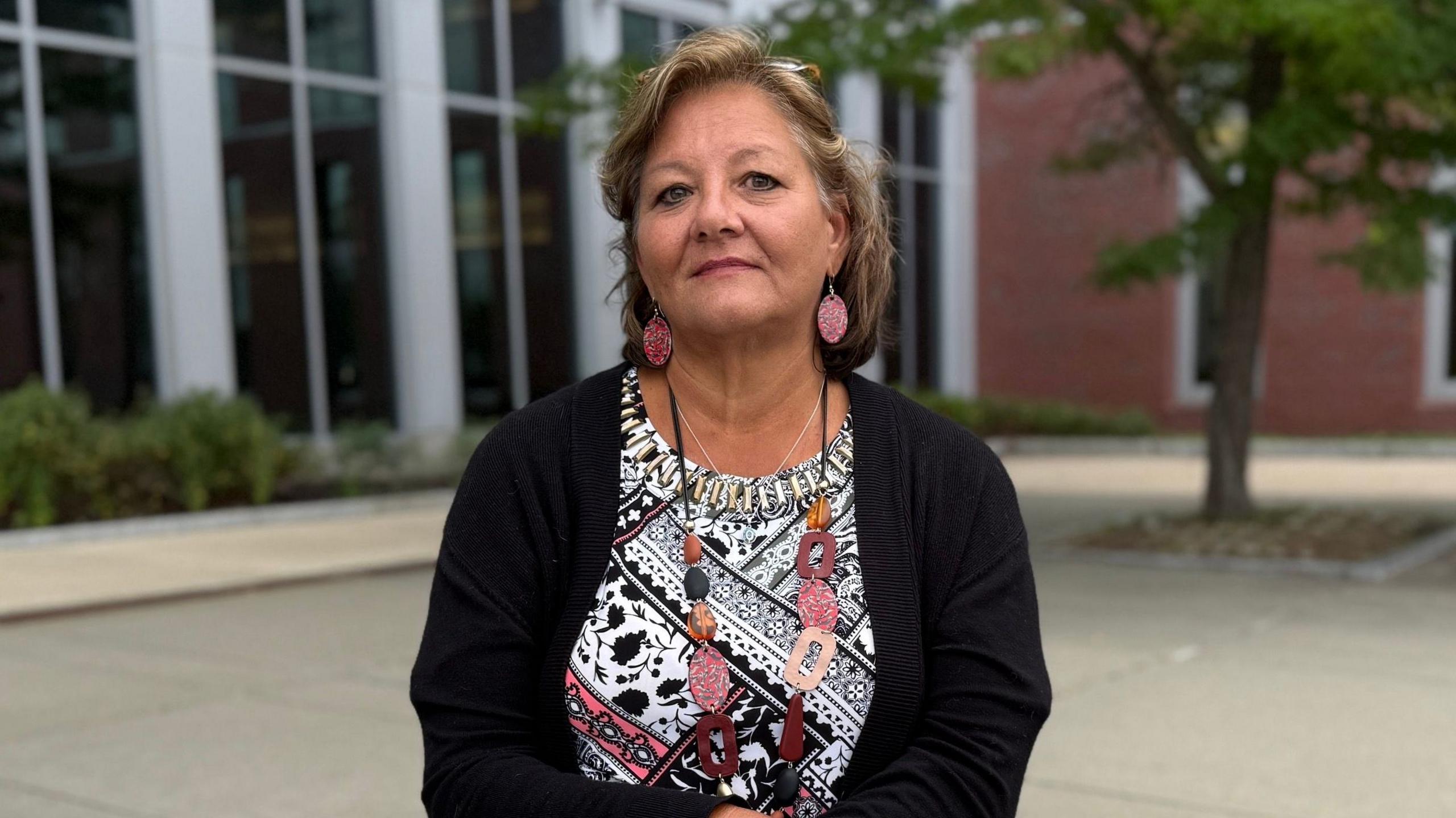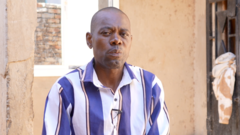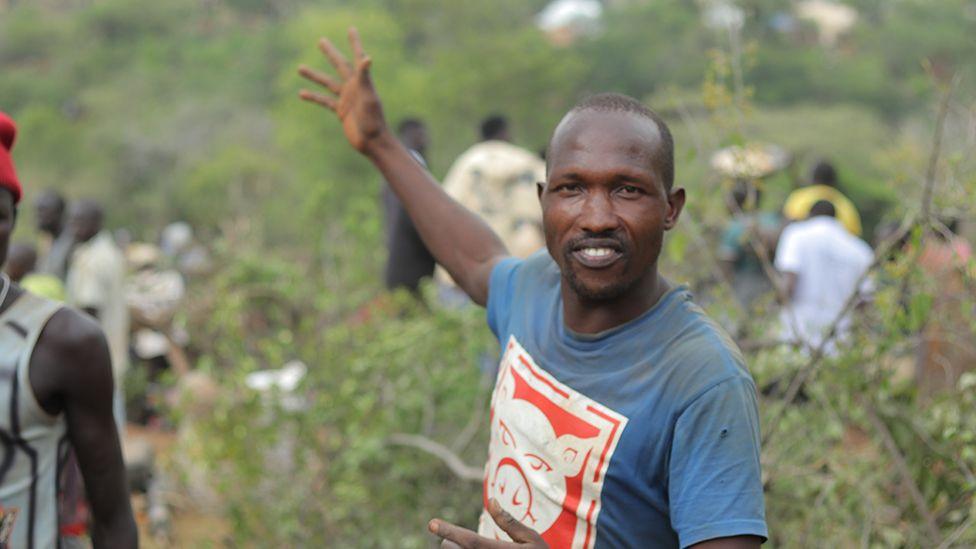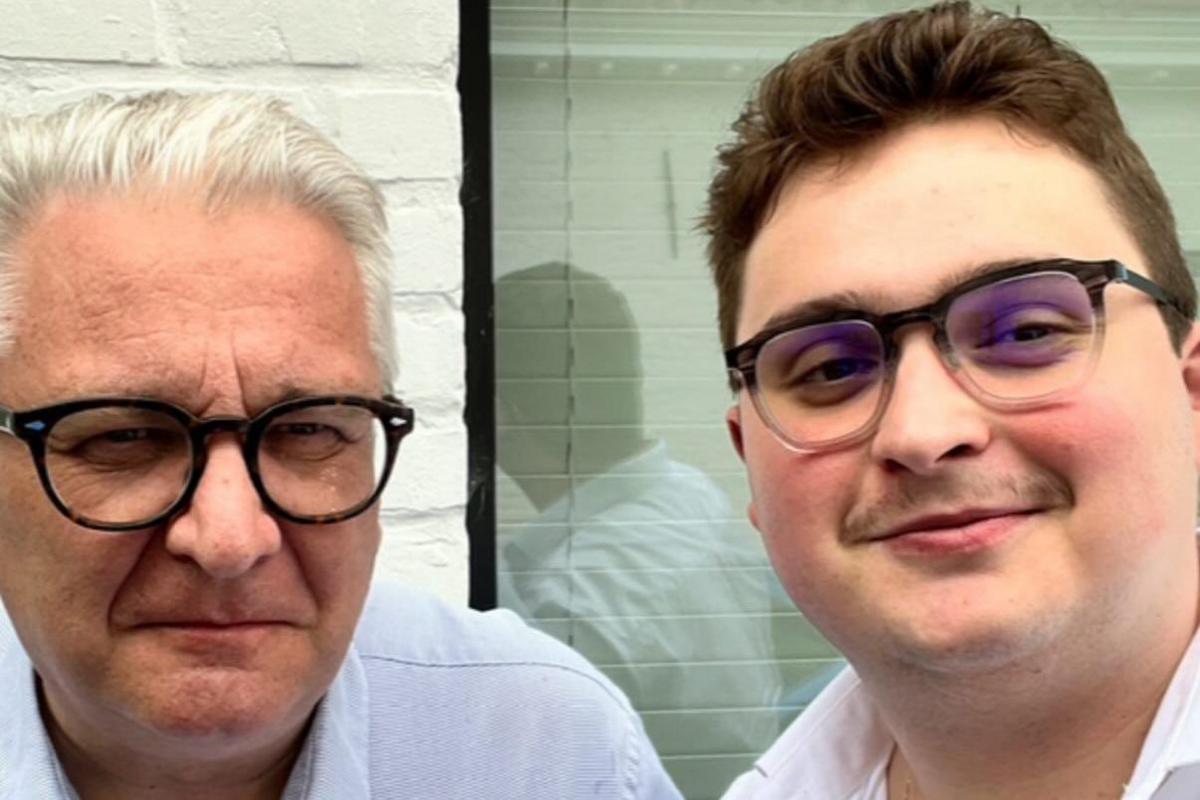
In a groundbreaking initiative, a group of children born near a British army base in Kenya have begun to uncover the identities of their fathers who served in the military. Among them is Edward, a nine-year-old boy whose father worked as a contractor on a UK military base. Edward faced bullying at school due to his lighter skin and lost contact with his father before he was born. When realities about his heritage and father began emerging through a specialized DNA testing process, it became a pivotal moment for him and many others like him seeking their identities.
Conducted by UK solicitor James Netto and local lawyer Kelvin Kubai, this legal-dna project has confirmed the paternity of several children through the UK courts, marking a historic first involving DNA and family law at such a scale. Initial investigations revealed nearly 100 children fathered by British military personnel, with 12 confirmed cases eligible for British citizenship and child support.
Many children, including Yvonne, another case in point, were led to believe their fathers had perished. This initiative, utilizing commercial genealogy databases, unearthed living fathers and opened communications that once seemed deadlocked. Despite some fathers wishing for minimal contact, others like Phill are starting anew with their children, eager to take on parental responsibilities.
The project is borne out of an awareness of a clouded history intertwined with the legacy of British military presence in Kenya, which established the British Army Training Unit in 1964, and drew scrutiny from local investigations about misconduct and neglect of local families. The Ministry of Defence has emphasized a commitment to resolve these complicated relations and provide necessary support to the affected children as they seek their missed parental connections. As this project continues, it holds the promise of altering futures and healing familial wounds, ultimately aiming to integrate these children into the broader narrative of recognition and responsibility.
Conducted by UK solicitor James Netto and local lawyer Kelvin Kubai, this legal-dna project has confirmed the paternity of several children through the UK courts, marking a historic first involving DNA and family law at such a scale. Initial investigations revealed nearly 100 children fathered by British military personnel, with 12 confirmed cases eligible for British citizenship and child support.
Many children, including Yvonne, another case in point, were led to believe their fathers had perished. This initiative, utilizing commercial genealogy databases, unearthed living fathers and opened communications that once seemed deadlocked. Despite some fathers wishing for minimal contact, others like Phill are starting anew with their children, eager to take on parental responsibilities.
The project is borne out of an awareness of a clouded history intertwined with the legacy of British military presence in Kenya, which established the British Army Training Unit in 1964, and drew scrutiny from local investigations about misconduct and neglect of local families. The Ministry of Defence has emphasized a commitment to resolve these complicated relations and provide necessary support to the affected children as they seek their missed parental connections. As this project continues, it holds the promise of altering futures and healing familial wounds, ultimately aiming to integrate these children into the broader narrative of recognition and responsibility.