With control of Congress on the ballot this November, state attorney general races can often be overlooked. Yet, just outside the election spotlight, partisan groups, corporate interests, and advocacy organizations are ramping up campaigns for these offices, which are playing an increasingly pivotal role in American politics.
Last year, a group of Republican organizations dedicated to supporting attorney general contests reported raising a record $29 million in preparation for the 2026 midterms. Meanwhile, their Democratic counterparts raised $28 million, doubling their usual amount at this stage.
This year, around 30 seats are on the ballot. The funding surge includes significant contributions from various sectors, including technology and tobacco companies, all of which could face scrutiny from state legal chiefs. The influx of cash reflects the rising significance of the attorney general's office as an important player in national policy and a potential launching pad for higher political aspirations.
James Tierney, a former Maine attorney general, emphasized the importance of the position given the increasing reliance on lawsuits to solve various issues. The office of attorney general has become more important, he stated.
Currently, at least six sitting attorneys general are running for governor, and several governors initially held the position of attorney general before ascending. For instance, Kamala Harris, having served as California's attorney general, ran for president in 2024 alongside notable running mates who were also former attorneys general turned governors.
Adam Piper, the executive director of the Republican Attorneys General Association, noted that the political allure of the attorney general role has attracted more donor interest, akin to how these officials once were the underdogs in their races.
In swing states like Arizona, Michigan, Nevada, and Wisconsin, attorney general races are viewed as pivotal, with Democrats hopeful about gaining ground in traditionally Republican states like Georgia, Kansas, and Ohio, while Republicans are aiming for gains in Democratic-leaning Minnesota and New York.
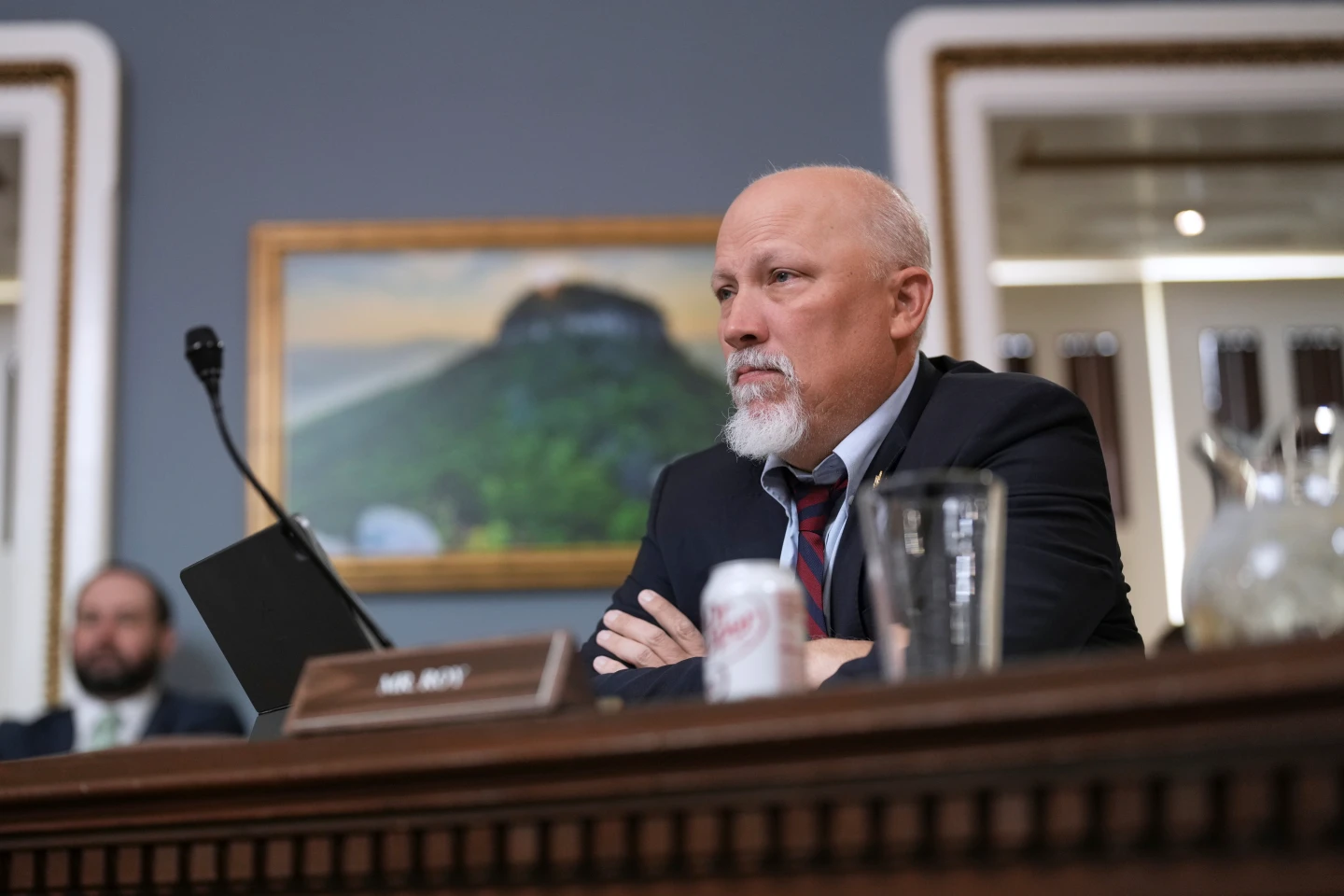
In Texas, U.S. Rep. Chip Roy is facing off against state Sen. Mayes Middleton in a competitive GOP runoff for the attorney general nomination. Current Texas AG Ken Paxton is also in the spotlight, having recently faced impeachment and being acquitted of corruption charges while continuing to fight against initiatives like gender-affirming care for minors and abortion cases, even extending his legal reach across state boundaries.
Both primary candidates have pledged to combat what they describe as the 'Islamification' of Texas, with Middleton indicating plans to investigate progressive donor George Soros. Roy touted the benefits of state office over the cluttered landscape of Congress, stating, I’ll be one of one instead of one of 435 fighting for you.
The winner of the Republican runoff will challenge the Democratic candidate emerging from a runoff between state Sen. Nathan Johnson and former Galveston Mayor Joe Jaworski—a win for a Democrat in Texas would be highly unexpected.
Democrat Kris Mayes, the Arizona AG, who secured her position by a slim 280 vote margin in 2022, has effectively utilized lawsuits against the federal government, claiming to have saved her state billions. Meanwhile, Republican challenger Rodney Glassman criticizes her approach, calling the lawsuits politically motivated.
In a broader context, a group of 24 Democratic officials has engaged in multiple legal actions against the Trump administration, signaling a trend where attorneys general are becoming critical accountability figures as federal actions are challenged by state-level assertions. Mayes’ lawsuits have already been highlighted as pivotal, emphasizing the need for strong legal representation in defense of state programs and jurisdictions.
Last year, a group of Republican organizations dedicated to supporting attorney general contests reported raising a record $29 million in preparation for the 2026 midterms. Meanwhile, their Democratic counterparts raised $28 million, doubling their usual amount at this stage.
This year, around 30 seats are on the ballot. The funding surge includes significant contributions from various sectors, including technology and tobacco companies, all of which could face scrutiny from state legal chiefs. The influx of cash reflects the rising significance of the attorney general's office as an important player in national policy and a potential launching pad for higher political aspirations.
James Tierney, a former Maine attorney general, emphasized the importance of the position given the increasing reliance on lawsuits to solve various issues. The office of attorney general has become more important, he stated.
Currently, at least six sitting attorneys general are running for governor, and several governors initially held the position of attorney general before ascending. For instance, Kamala Harris, having served as California's attorney general, ran for president in 2024 alongside notable running mates who were also former attorneys general turned governors.
Adam Piper, the executive director of the Republican Attorneys General Association, noted that the political allure of the attorney general role has attracted more donor interest, akin to how these officials once were the underdogs in their races.
In swing states like Arizona, Michigan, Nevada, and Wisconsin, attorney general races are viewed as pivotal, with Democrats hopeful about gaining ground in traditionally Republican states like Georgia, Kansas, and Ohio, while Republicans are aiming for gains in Democratic-leaning Minnesota and New York.
In Texas, U.S. Rep. Chip Roy is facing off against state Sen. Mayes Middleton in a competitive GOP runoff for the attorney general nomination. Current Texas AG Ken Paxton is also in the spotlight, having recently faced impeachment and being acquitted of corruption charges while continuing to fight against initiatives like gender-affirming care for minors and abortion cases, even extending his legal reach across state boundaries.
Both primary candidates have pledged to combat what they describe as the 'Islamification' of Texas, with Middleton indicating plans to investigate progressive donor George Soros. Roy touted the benefits of state office over the cluttered landscape of Congress, stating, I’ll be one of one instead of one of 435 fighting for you.
The winner of the Republican runoff will challenge the Democratic candidate emerging from a runoff between state Sen. Nathan Johnson and former Galveston Mayor Joe Jaworski—a win for a Democrat in Texas would be highly unexpected.
Democrat Kris Mayes, the Arizona AG, who secured her position by a slim 280 vote margin in 2022, has effectively utilized lawsuits against the federal government, claiming to have saved her state billions. Meanwhile, Republican challenger Rodney Glassman criticizes her approach, calling the lawsuits politically motivated.
In a broader context, a group of 24 Democratic officials has engaged in multiple legal actions against the Trump administration, signaling a trend where attorneys general are becoming critical accountability figures as federal actions are challenged by state-level assertions. Mayes’ lawsuits have already been highlighted as pivotal, emphasizing the need for strong legal representation in defense of state programs and jurisdictions.