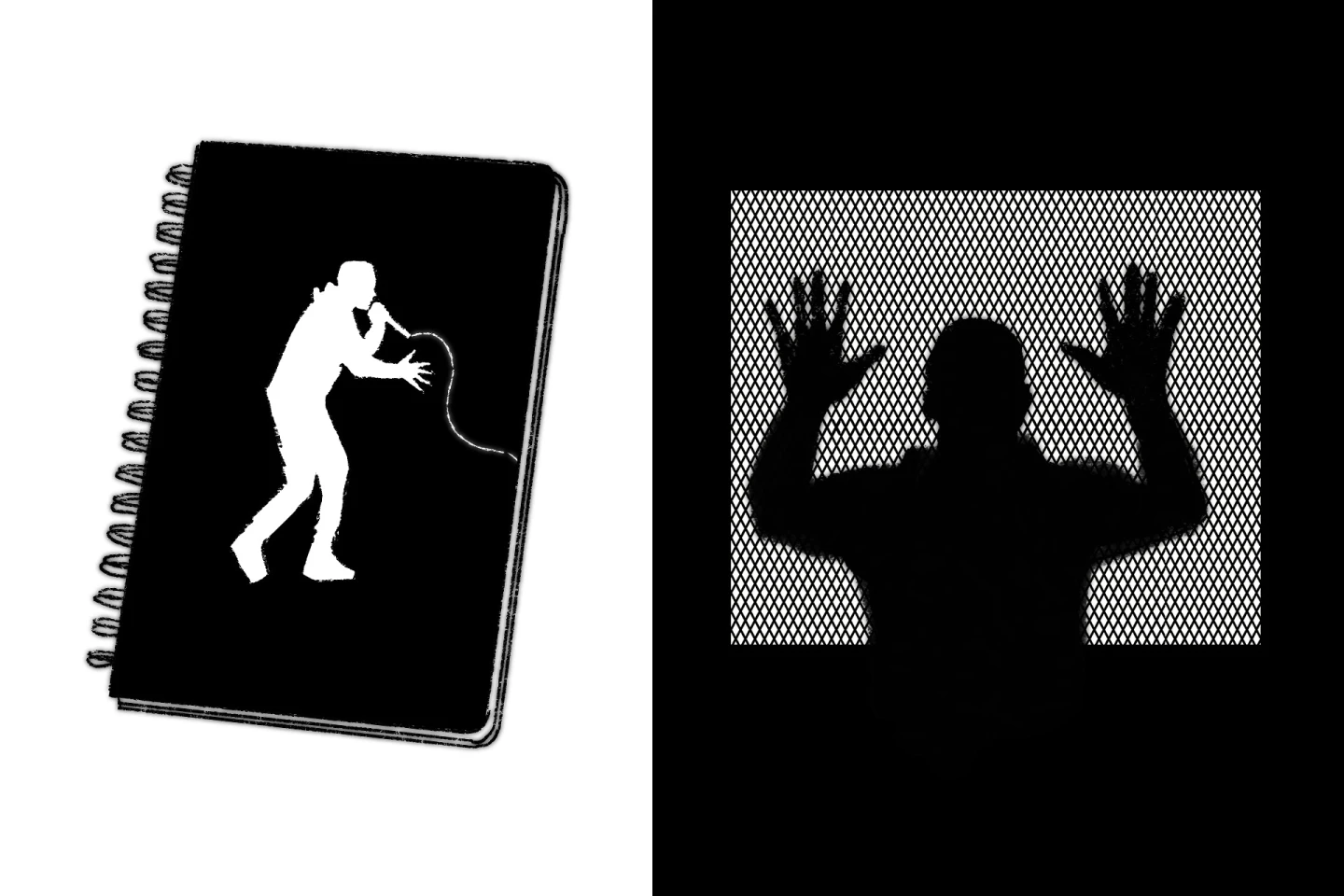
At just 19, James Broadnax noted down thoughts and lyrics in a notebook, which later emerged as critical evidence at his capital murder trial. Prosecutors highlighted lyrics purportedly linked to gang culture and violence to argue for the death penalty, a tactic that his lawyers contend capitalized on racial bias within an overwhelmingly white jury.
This case is not isolated; numerous defendants across the U.S. have seen their rap lyrics introduced as evidence in court—over 700 instances according to some research—often linked to their involvement in gang-related crimes. While lyrics can be regarded as artistic expression, they are frequently treated as confessions or autobiographies in judicial settings, creating a dangerous precedent that erodes their value as art form, according to scholars like Erik Nielson, co-author of 'Rap on Trial.'
Nielson observes that these practices convey a belief that young men of color, often the subjects of such trials, are incapable of literary nuance, reducing their art to mere reflections of their lives. Rap, as an avenue for self-expression and critique of societal issues, is often dismissed as irrelevant or criminal-oriented in the courtroom.
Broadnax faces execution scheduled on April 30 despite pending appeals that argue for reconsideration of the racial biases embedded in how rap lyrics were permitted as evidence. His representation claims that these lyrics unjustly reinforced negative stereotypes, potentially influencing the jury's perspectives.
High-profile cases, such as that of rapper Young Thug, who also had lyrics used against him in motions for gang affiliations, underscore the ongoing scrutiny and repercussions that arise from interpreting music through a lens of crime rather than art. The focus on rap as evidence has grown alarmingly since the early 1990s, coinciding with the rise of hip-hop's critical commentary on systemic injustices, notably in landmark tracks like N.W.A.'s 'F--- the Police.'
Numerous lawmakers have sought to address the inequitable treatment of artistic works, particularly rap lyrics, within the criminal justice system. Recent legislative efforts aim to create guidelines for when lyrics can be safely introduced while diminishing the risk of bias. As society grapples with these complex issues, the interplay between art and justice continues to raise essential questions about fairness and representation in the legal narrative.