In brief
In a disturbing case in Lancaster, Pennsylvania, two teenage boys admitted to using artificial intelligence to create 59 fake nude images of their classmates, resulting in probation and community service. The court underscored the seriousness of their actions and the devastating impact on victims, amidst ongoing discussions about technology and legal accountability in cases of digital abuse.
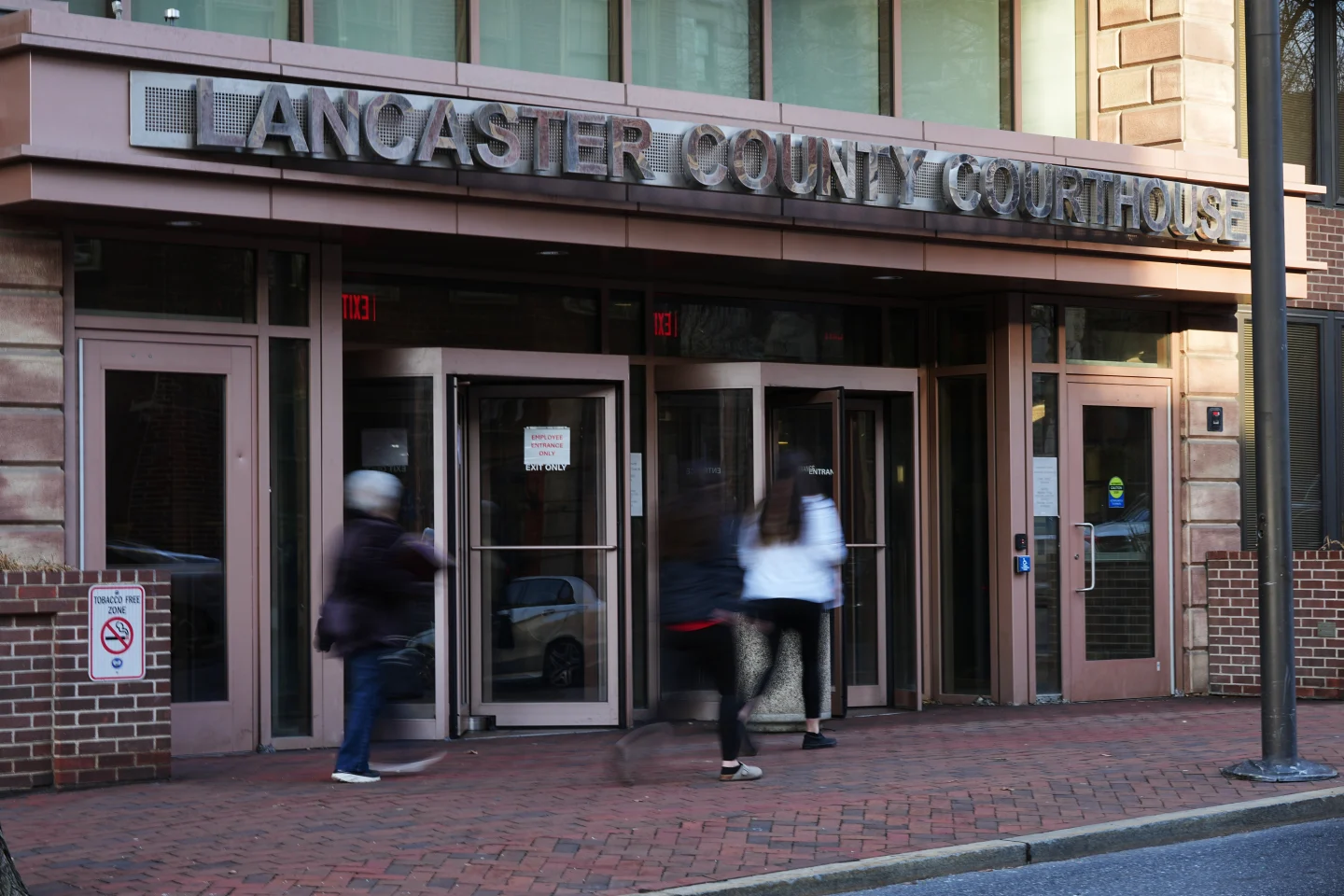
LANCASTER, Pa. — Two teenage boys who used artificial intelligence (AI) to create fake nude images of their classmates have faced legal repercussions, as they were placed on probation and assigned community service by a judge on Wednesday.
The boys, aged 14 at the time of the offenses, admitted to producing 59 images that depicted child sexual abuse. Prosecutors revealed that these images were created by morphed photos of female students, often sourced from Instagram, combined with explicit virtual depictions. Notably, some of the victims were classmates from Lancaster Country Day School, situated just west of Philadelphia.
The case came to light following a report from a parent who learned that her child disclosed a peer's actions involving the manipulation of student photos using AI technology to make them appear nude. During the juvenile court proceedings, which took place before Lancaster County Common Pleas Court Judge Leonard Brown III, the gravity of their actions was emphasized.
In addition to probation, the boys were assigned 60 hours of community service each and will need to pay restitution. The judge indicated that should they remain trouble-free for two years, the case could potentially be expunged from their records. He expressed dismay at the lack of remorse shown by the offenders, noting that if they were adults, they might be facing significant prison sentences.
After their sentencing, neither boy offered comments to the media. Their attorney, Heidi Freese, described the situation as regrettable, hinting at complex legal issues that might arise in future cases tied to this incident.
Reflecting on the situation, Pennsylvania Attorney General Dave Sunday described it as a prime example of the darker sides of modern technology, explaining how such actions weaponize digital tools against vulnerable minors and lead to severe emotional distress for the victims.
This case gained broader attention as it coincided with a separate lawsuit in Tennessee, where three teenagers accused Elon Musk's xAI of enabling similar technological abuses through their creations. The Tennessee students are seeking to represent others similarly affected.
In light of these events, student protests at Lancaster Country Day School have occurred, resulting in administrative resignations and broader discussions about the role of educational institutions in preventing digital abuse. Attorney Nadeem Bezar, representing several victims, is preparing to file claims against the school for their alleged negligence in handling the situation and the repercussions faced by the victims amid the scandal.
The tumultuous case highlights the ongoing need for effective legislative measures against unauthorized uses of AI technology, as lawmakers across the country continue to work toward prohibiting harmful deepfakes and protecting minors from such exploitation. With 46 states now having laws to combat deepfakes, further legal development in this rapidly evolving field of technology seems imminent.