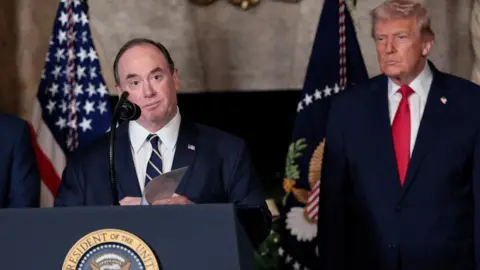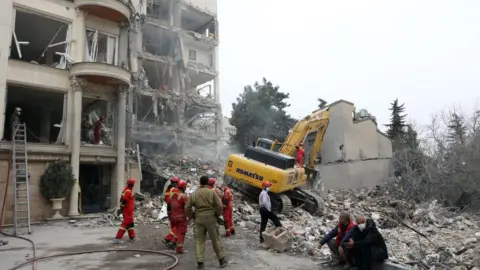
Donald Trump had issued an ultimatum to Iran to reopen the Strait of Hormuz - the narrow passage whose closure has caused the price of oil to spike across the world - or face the wrath of the US in the shape of attacks on its power plants.
Hours before it was due to expire on Monday, the US president said the threatened attacks were being paused for five days as Tehran and Washington were making major progress towards a deal to end more than three weeks of US and Israeli air raids and Iranian retaliatory attacks.
Several Iranian top officials, such as Iran's parliament Speaker Mohammad Bagher Ghalibaf, claimed there were no talks, labeling it all as fake news. However, Trump indicated the US was communicating with the right people in Iran.
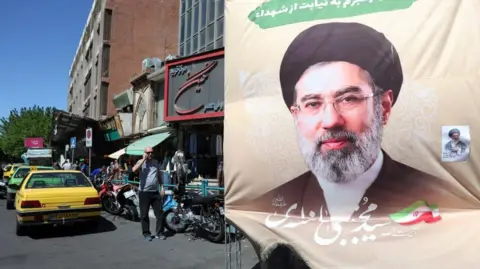
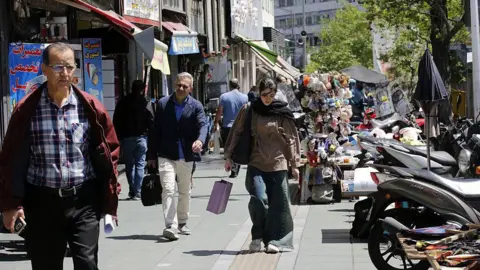
Ordinary Iranians are striving to connect with the outside world, often resorting to paying high prices for illegal satellite Internet, while government supporters echo official sentiments regarding the ongoing conflict.
Yet amongst the population, there is a strong desire for peace, albeit tempered with trepidation concerning negotiations that might preserve the current regime. This sentiment was echoed by Kiana, a young woman in Tehran, who expressed confusion about the possible outcomes of a ceasefire that leaves the government intact.
Another Tehran resident, Armin, supported an immediate end to the war but opposed any talks with the government, fearing it would lend legitimacy to a regime he believes should be weakened further before any change could lead to progress for the people.
Interviews highlight a cacophony of opinions across Iran, but a consistent thread among many is a fear that negotiations could solidify the power of a government they wish to see dismantled. As tensions continue to bound amid the war's complexities, Iran remains a landscape of heartache and hope intertwined.