Everyday Life in Asia Upended by Iran War Fuel Crisis
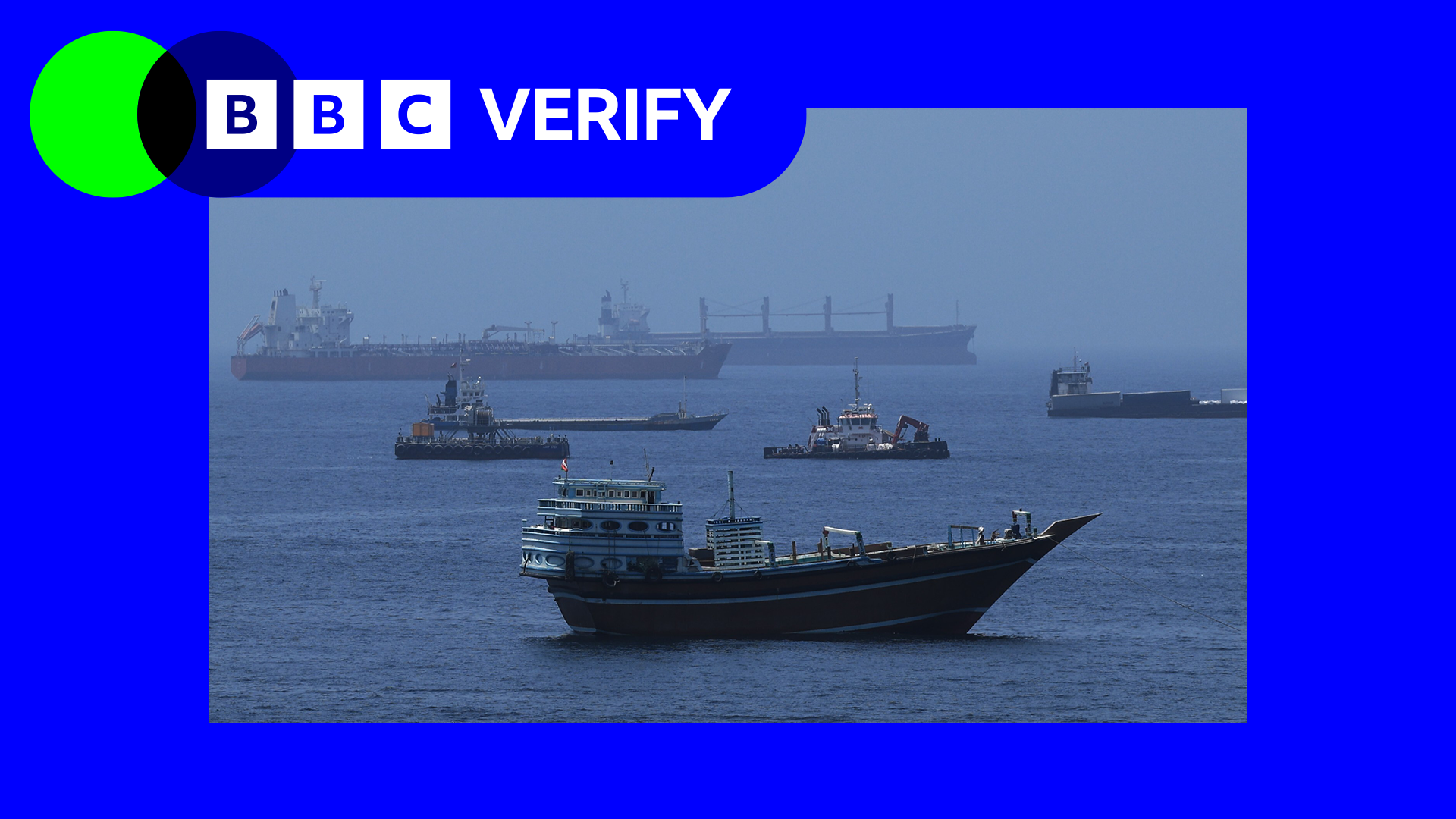
The effective closure of the Strait of Hormuz after the US and Israel began their war with Iran has sent shockwaves across the globe. Oil prices have soared, and stock markets have wobbled as the world waits to see when Iran will allow the key waterway - through which about 20% of all oil passes - to reopen. Currently, only a handful of ships make it through the strait each day, and the attacks on energy infrastructure in the region have only pushed prices higher.
Asia has been hit hardest, with nearly 90% of the oil and gas passing through the strait bound for Asian countries. Governments across the region are reacting by ordering employees to work from home, cutting working weeks, declaring national holidays, and closing universities to conserve fuel supplies. Even China, which has three months' worth of reserves, is limiting fuel price hikes as citizens are facing a steep 20% increase.
Citizens across Asia are feeling the impact of the war thousands of miles away, with tangible changes in daily life. In the Philippines, a national emergency was declared due to imminent dangers to energy availability. Jeepney driver Carlos Bragal Jr has seen his daily earnings tumble dramatically as fuel costs soar, leading him to question the stability of his family's future amidst these rising pressures.
In Thailand, news presenters adapted their on-screen attire to reflect energy conservation efforts, tying into broader public messages urging energy saving via temperature controls and remote work directives. Simultaneously, Sri Lankans face a paradox where they now have money for fuel, but the physical fuel remains elusive due to continuing global disruptions.
As conflicts compel drastic measures, citizens are left uncertain, adjusting to new norms as they navigate the ongoing challenges of this fuel crisis.